Foods That Are Most Impacted by New Import Tariffs


Trade policy rarely feels personal until it shows up on your grocery receipt. New import tariffs are quietly reshaping the cost of everyday staples, from morning coffee to seafood dinners and pantry essentials. What once seemed like distant economic headlines now carries real consequences for shoppers and restaurants alike.
Because the United States relies heavily on global supply chains, many popular foods depend on steady imports. When tariffs increase the cost of bringing those products into the country, businesses must decide whether to absorb the expense or pass it along.
This list highlights the foods most exposed to new import duties and explains why price shifts in these categories may become more noticeable in the months ahead.
1. Seafood
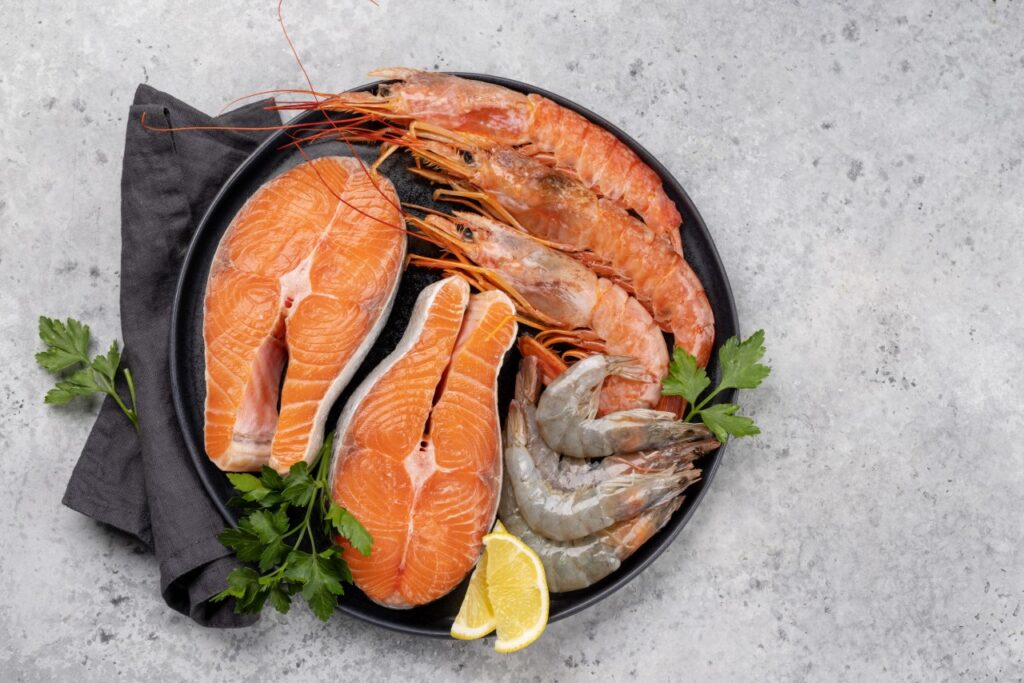
Few grocery items show the effects of global trade as clearly as seafood. The United States imports a large share of its shrimp, salmon, tuna, and whitefish. When new import tariffs are applied, those added costs move through the supply chain and often reach consumers.
Countries like Vietnam, India, Ecuador, and Norway supply much of this seafood. Tariffs raise landed costs for distributors, tightening margins in an already price-sensitive category.
Because seafood relies on cold-chain logistics and operates on slim profits, even modest cost increases can trigger noticeable price changes. Restaurants and retailers may raise prices or scale back promotions to manage higher import expenses.
2. Coffee

Coffee is one of the most globally traded agricultural products, and the United States depends heavily on imported beans. Brazil, Colombia, Vietnam, and other producers supply the vast majority of raw coffee used by American roasters.
When tariffs are introduced on imported beans or processed coffee products, roasters face higher input costs. Since coffee pricing is also influenced by weather, crop yields, and currency fluctuations, tariffs add another layer of volatility.
Retailers and cafes typically operate on slim margins, so sustained cost increases often translate into higher shelf prices or smaller package sizes. For consumers, that daily cup becomes more vulnerable to global trade policy than many realize.
3. Olive Oil

Olive oil may feel like a pantry staple, but most bottles on American shelves are imported from Mediterranean countries such as Spain, Italy, and Greece. Domestic production covers only a fraction of total demand.
New import tariffs raise the cost of bringing these oils into the country. Importers and distributors must absorb or pass along the additional expense, particularly affecting extra virgin varieties that already command premium pricing.
Since olive oil prices are also influenced by harvest conditions and drought in producing regions, tariffs can compound existing supply pressures. The result is often higher retail prices and tighter margins for specialty food retailers.
4. Chocolate and Cocoa Products

Chocolate begins with cocoa beans, largely grown in West Africa, particularly Côte d’Ivoire and Ghana. The United States imports most of its cocoa supply, making the industry sensitive to trade shifts.
Tariffs on cocoa beans, cocoa paste, or finished chocolate products increase production costs for manufacturers. These costs stack on top of fluctuations caused by crop disease, climate variability, and global demand.
Because cocoa is a core ingredient in many snacks and desserts, higher import expenses can ripple across a wide range of products. Manufacturers may adjust pricing, reduce package sizes, or reformulate to manage the added financial pressure.
5. Nuts
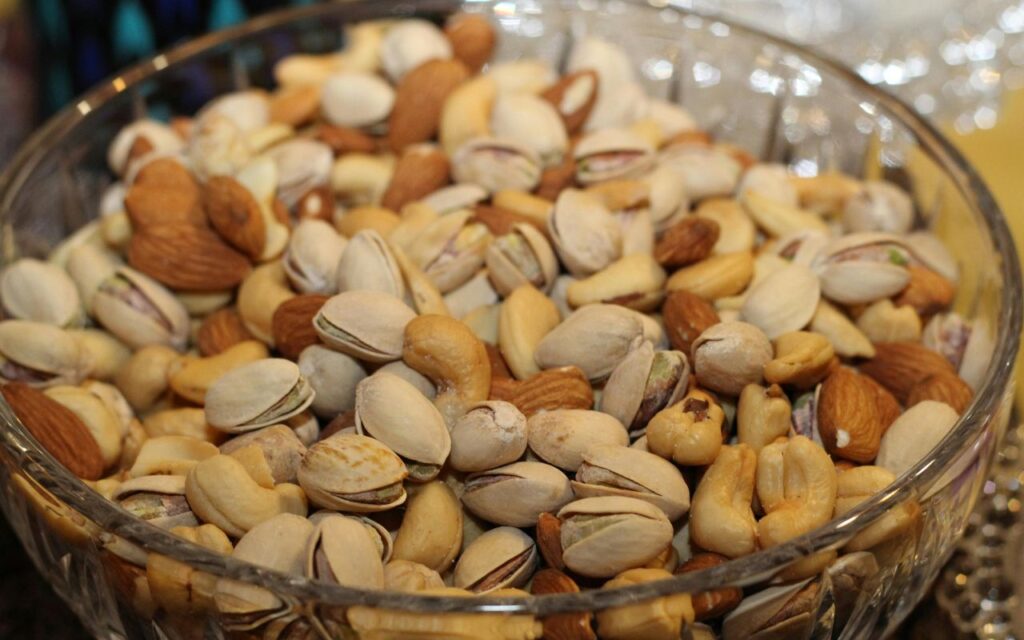
Cashews, macadamias, and certain specialty nuts are heavily sourced from countries such as Vietnam, India, and Australia. While the United States produces almonds and some other varieties domestically, it remains reliant on imports for several popular nuts.
When tariffs are applied, importers face higher landed costs that affect wholesalers and retailers alike. Nuts are often sold in bulk or used as ingredients in snack bars, baked goods, and prepared foods, amplifying the impact.
Given that nuts are already subject to agricultural price swings, tariffs add another variable. Consumers may notice higher prices in both packaged snacks and bulk bins as supply chains adjust.
6. Tropical Fruits
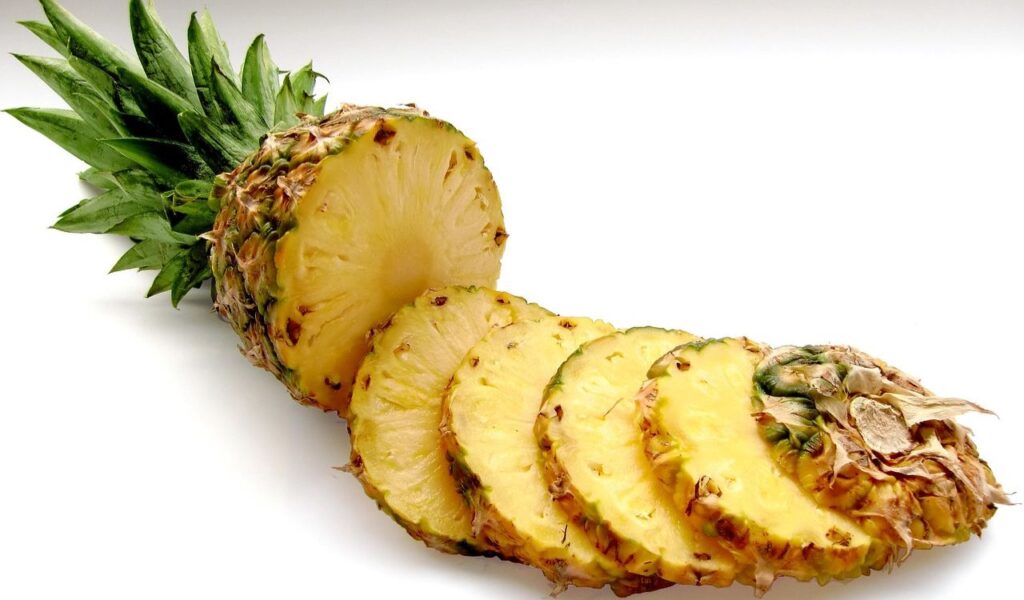
Bananas, pineapples, mangoes, and coconuts thrive in climates that the continental United States cannot easily replicate. As a result, a large share of tropical fruit is imported from Latin America and Southeast Asia.
Import tariffs increase the cost of transporting and distributing these fruits, which are already perishable and sensitive to logistics delays. Even small increases in import costs can influence supermarket pricing.
Because tropical fruits are widely consumed and often considered everyday staples, price shifts can be noticeable. Retailers must balance absorbing costs with maintaining margins, particularly in a competitive produce market.
7. Wine and Alcoholic Beverages

A large share of the wine sold in the United States is imported from Europe, South America, and Australia, making the category sensitive to trade policy changes. When tariffs are placed on bottled wine or bulk shipments, costs rise quickly for importers and distributors.
Alcohol flows through a three-tier system of importers, wholesalers, and retailers. Each layer adds a markup, so even a modest tariff can grow as it moves through the chain. Smaller importers often feel this strain more than multinational brands.
If higher duties persist, shoppers may see rising shelf prices or fewer promotions. Restaurants that rely on imported labels may also adjust menu pricing to protect margins.
8. Cheese and Dairy Imports
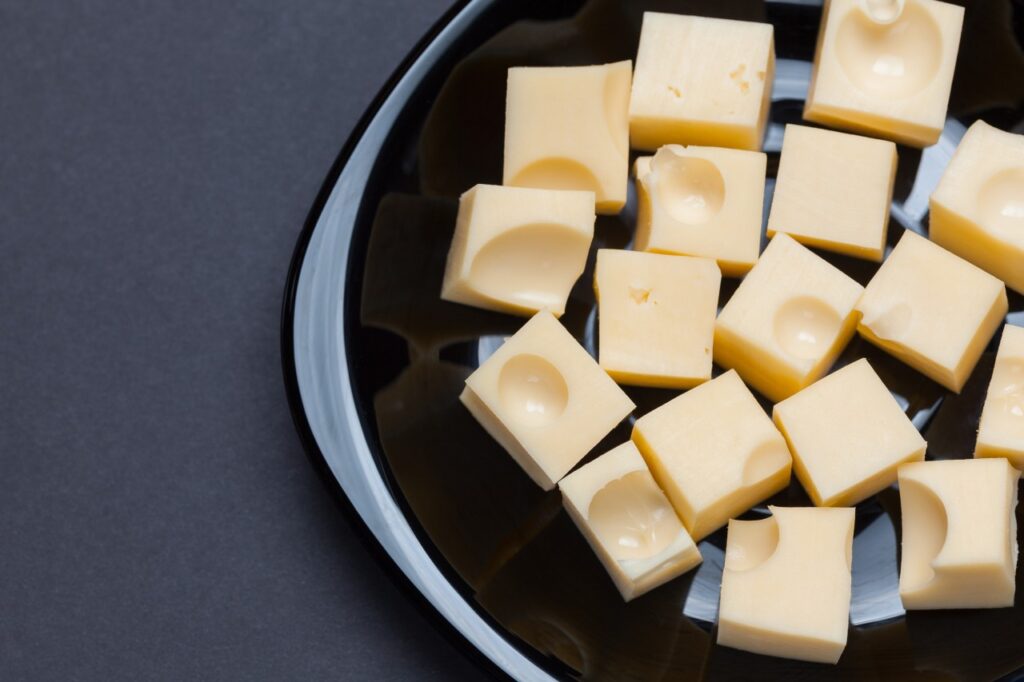
Specialty cheeses from countries such as France and Italy hold strong appeal for American consumers seeking authentic flavors. Because domestic production does not fully replace these traditional varieties, imports remain an essential part of the market.
When tariffs are placed on imported cheese, acquisition costs rise for specialty grocers, distributors, and restaurants. These products typically sit in higher price tiers, so even moderate increases can influence how often customers choose them.
The effects extend beyond the cheese counter. Imported dairy is widely used in prepared foods and restaurant dishes, meaning added duties can quietly affect menu pricing and overall competitiveness in the dairy sector.
9. Imported Fresh Fruits and Vegetables
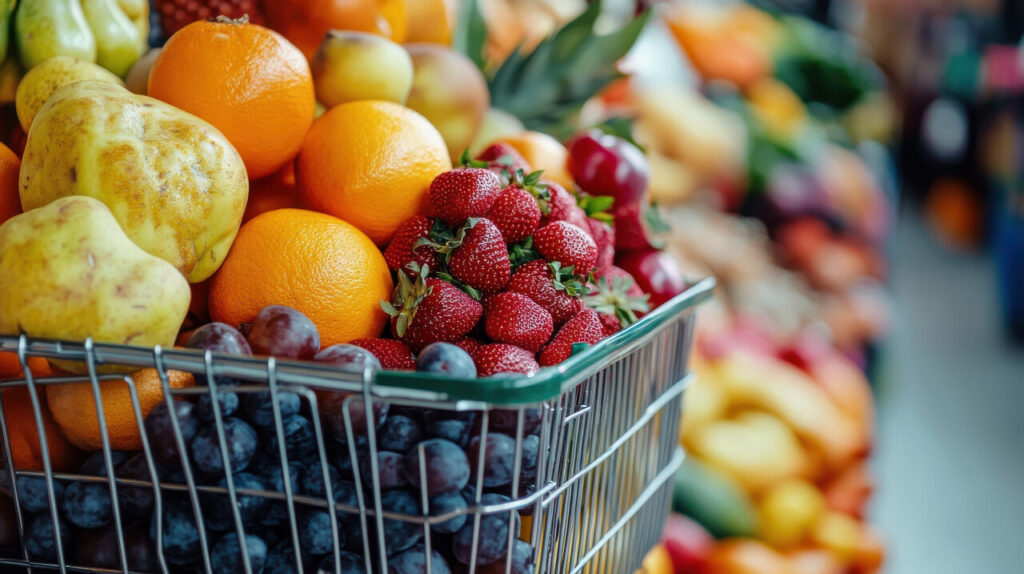
To keep produce aisles stocked year-round, the United States relies on steady imports from Mexico and other trading partners. These shipments help fill seasonal gaps when domestic harvests are limited.
Tariffs on imported fruits and vegetables increase costs for distributors who depend on cross-border supply chains. Produce pricing is already sensitive to fuel expenses, weather disruptions, and transportation delays.
When new duties are layered onto these existing pressures, price swings can become more noticeable. Shoppers may see higher grocery bills during off-season months, when imported produce plays a larger role in meeting demand.