6 Drinks to Avoid for Your Liver and 3 to Choose Instead


Maintaining a healthy liver is crucial because it plays a vital role in detoxification, metabolism, hormone processing, and nutrient storage. Yet many everyday beverages can place unnecessary strain on this vital organ, especially when they are consumed frequently or in large amounts. Modern diets are filled with drinks that seem convenient or refreshing but often hide high levels of sugar, alcohol, additives, or artificial ingredients that make the liver work harder than it should. Understanding which drinks can stress the liver and which ones support it gives people the chance to make smarter choices that benefit their long-term health.
1. Sugary Sodas
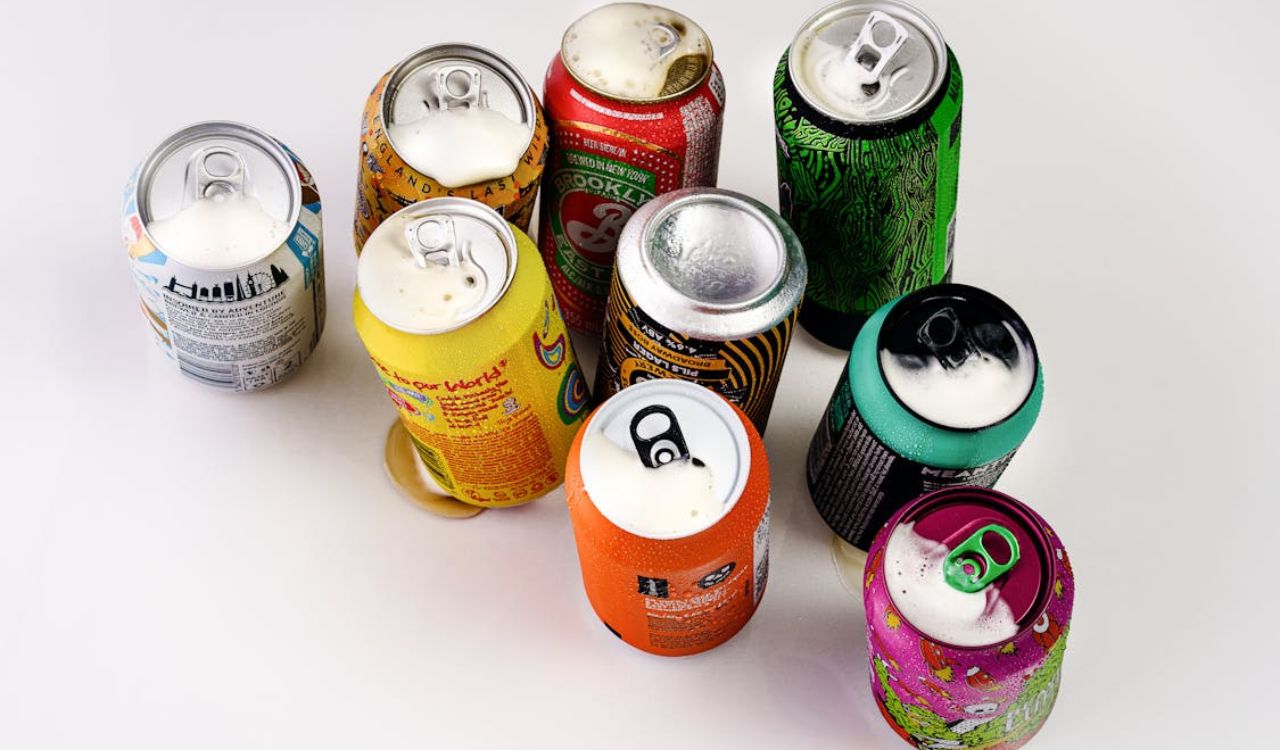
Sugary sodas remain one of the most common beverages linked to liver stress because they contain high concentrations of added sugar, particularly fructose, which the liver must metabolize. When consumed regularly, this can contribute to fat buildup in the liver, making it work harder and potentially reducing efficiency over time. Sodas also tend to offer no nutritional benefits, which means the body receives calories without supporting vitamins or minerals. Many people underestimate how quickly sugar accumulates from soft drinks, especially when they are consumed alongside meals. This makes soda a beverage that can quietly strain liver function if it becomes a daily habit.
2. Energy Drinks
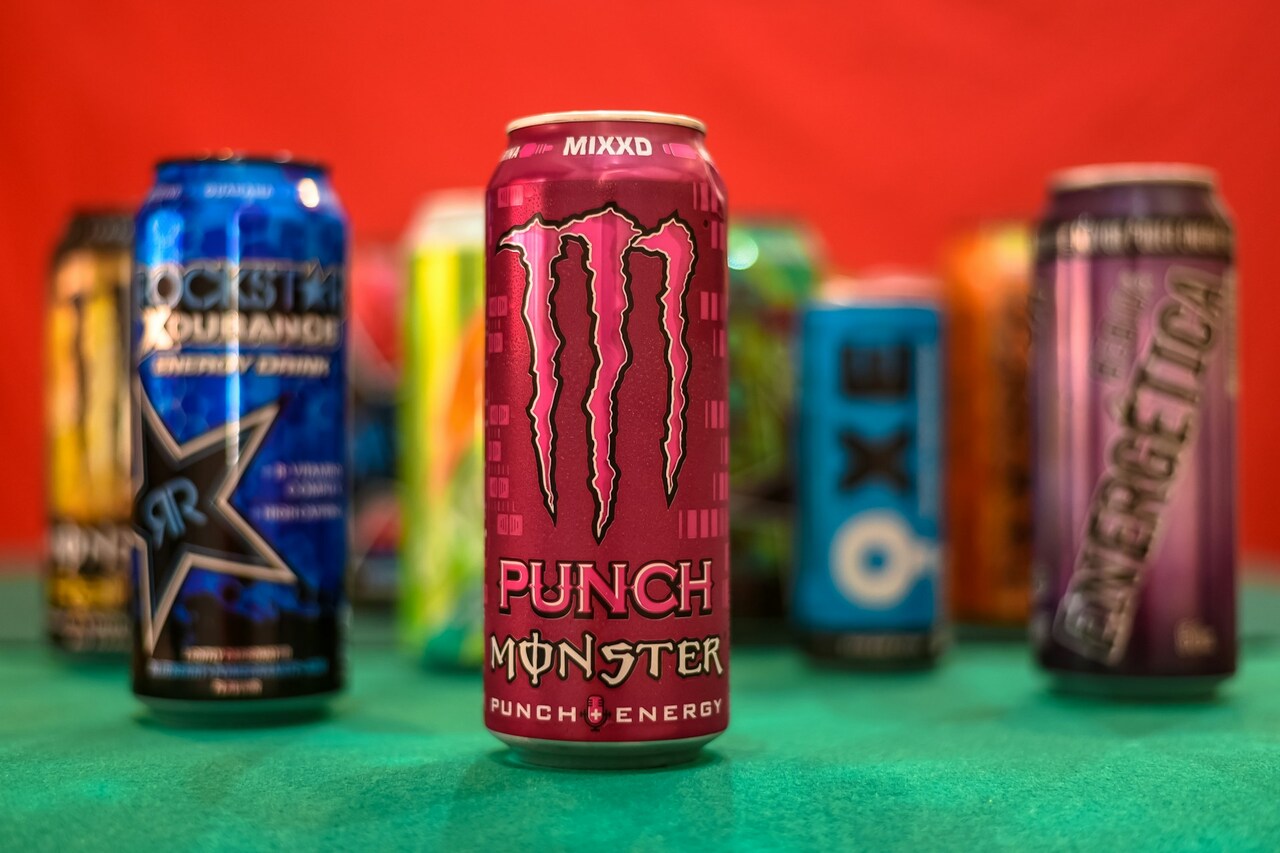
Energy drinks often contain caffeine, sweeteners, colorants, and stimulants in combinations that require considerable processing by the liver. The high caffeine levels can cause dehydration, which already places stress on the body’s filtration systems. Some energy drinks also contain herbal extracts or amino acid blends that may be difficult for the liver to break down when consumed in excess. Although energy drinks are marketed as performance enhancers, regular consumption may overwhelm the liver with both stimulants and sugar. People who rely on them throughout the day may not realize how much extra work they create for an organ already busy managing daily metabolic tasks.
3. Excessive Alcohol
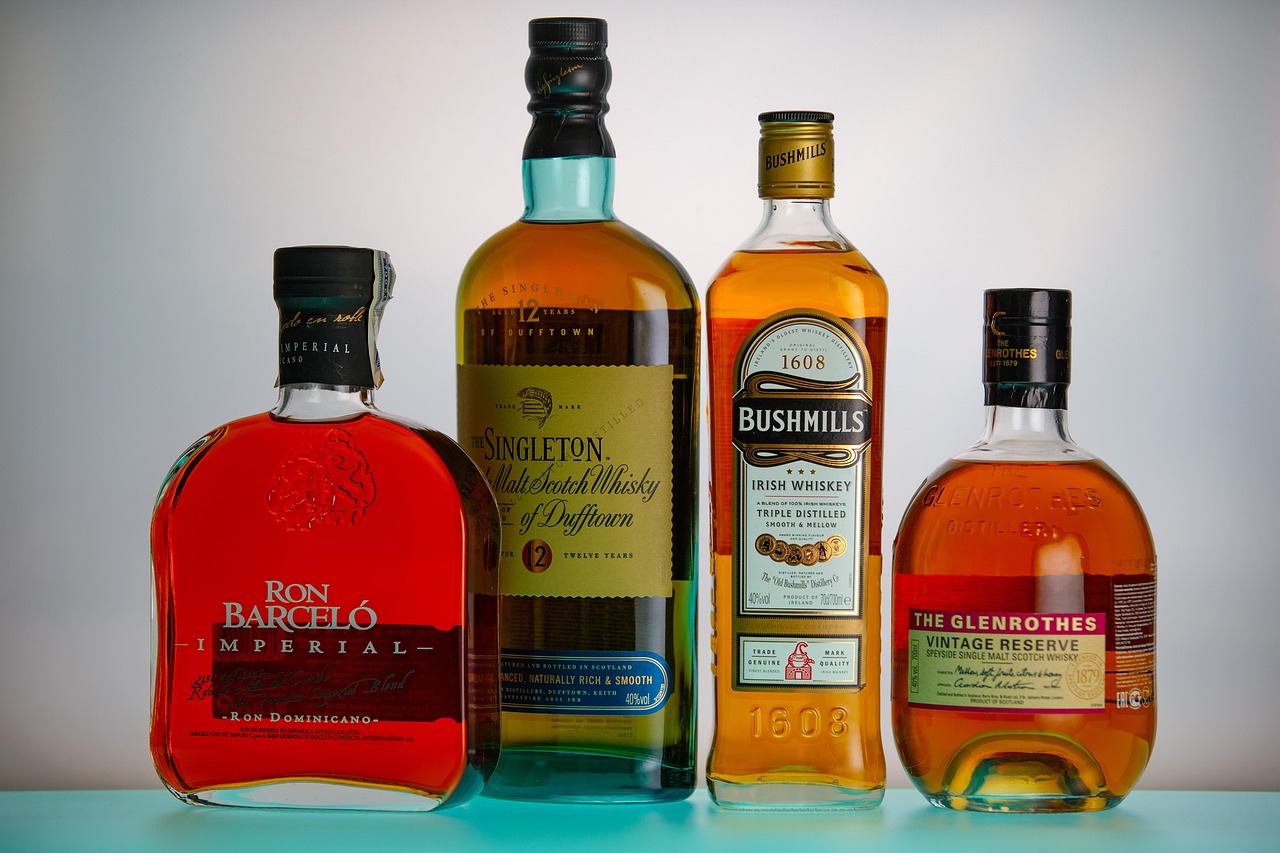
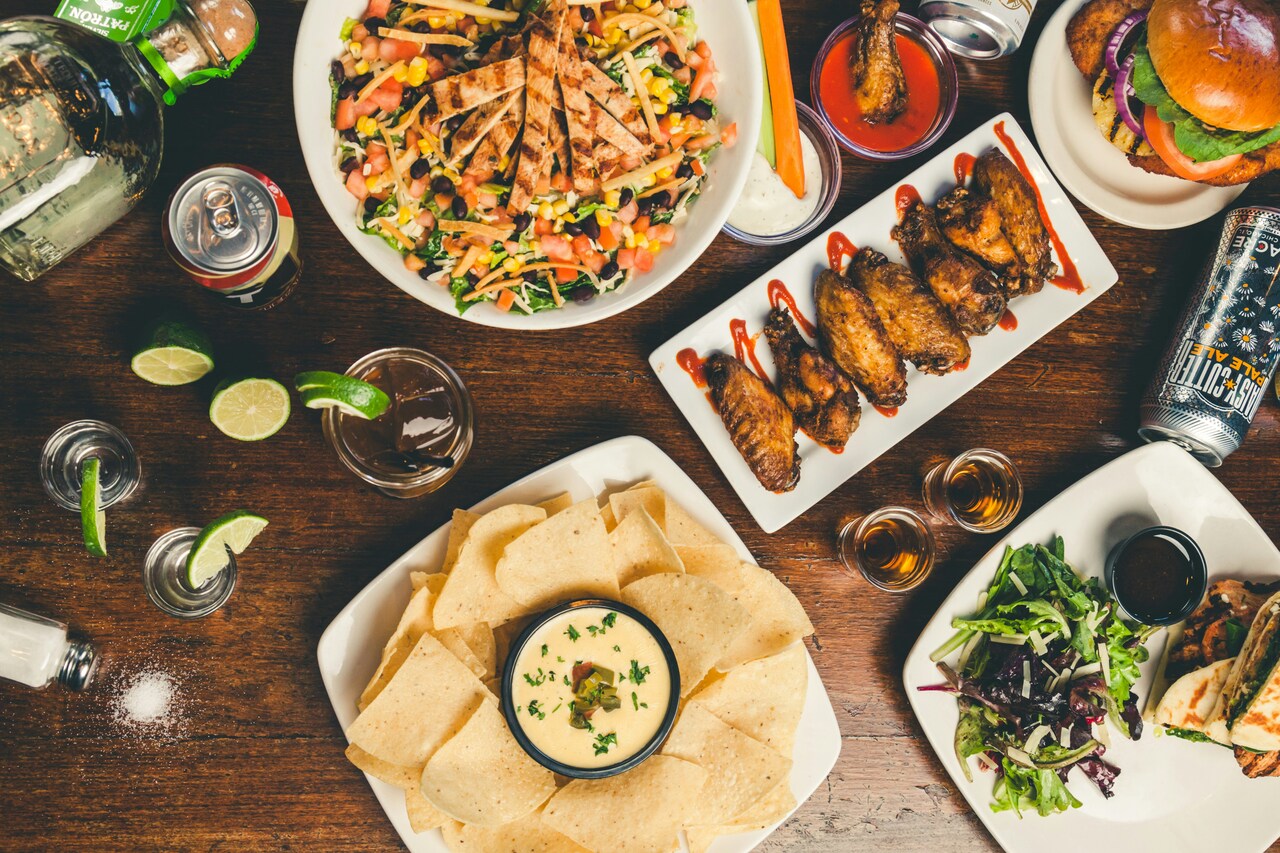
Alcohol is one of the most widely recognized contributors to liver stress because the liver is responsible for breaking down ethanol into less harmful substances. When alcohol intake exceeds the liver’s ability to process it, toxins build up and may irritate liver tissue. This kind of stress accumulates over time, especially in people who drink heavily or frequently. Even moderate drinkers may experience strain if they consume alcohol without giving the liver time to recover. While many adults enjoy alcoholic beverages socially, the liver benefits greatly when alcohol intake is limited, spaced out, and balanced with hydration and nutritious foods.
4. Sweetened Iced Coffees

Sweetened iced coffees often contain far more sugar than people expect, especially when they are flavored with syrups, creams, and whipped toppings. Many café-style drinks pack the sugar content of multiple desserts into a single serving, creating a heavy load for the liver to process. Because these drinks are marketed as everyday indulgences and often consumed alongside meals, the added sugar becomes part of a routine that increases metabolic stress. While plain coffee in moderation is generally considered liver-friendly, heavily sweetened versions can undermine its benefits and contribute to unnecessary strain.
5. High Fructose Fruit Juices

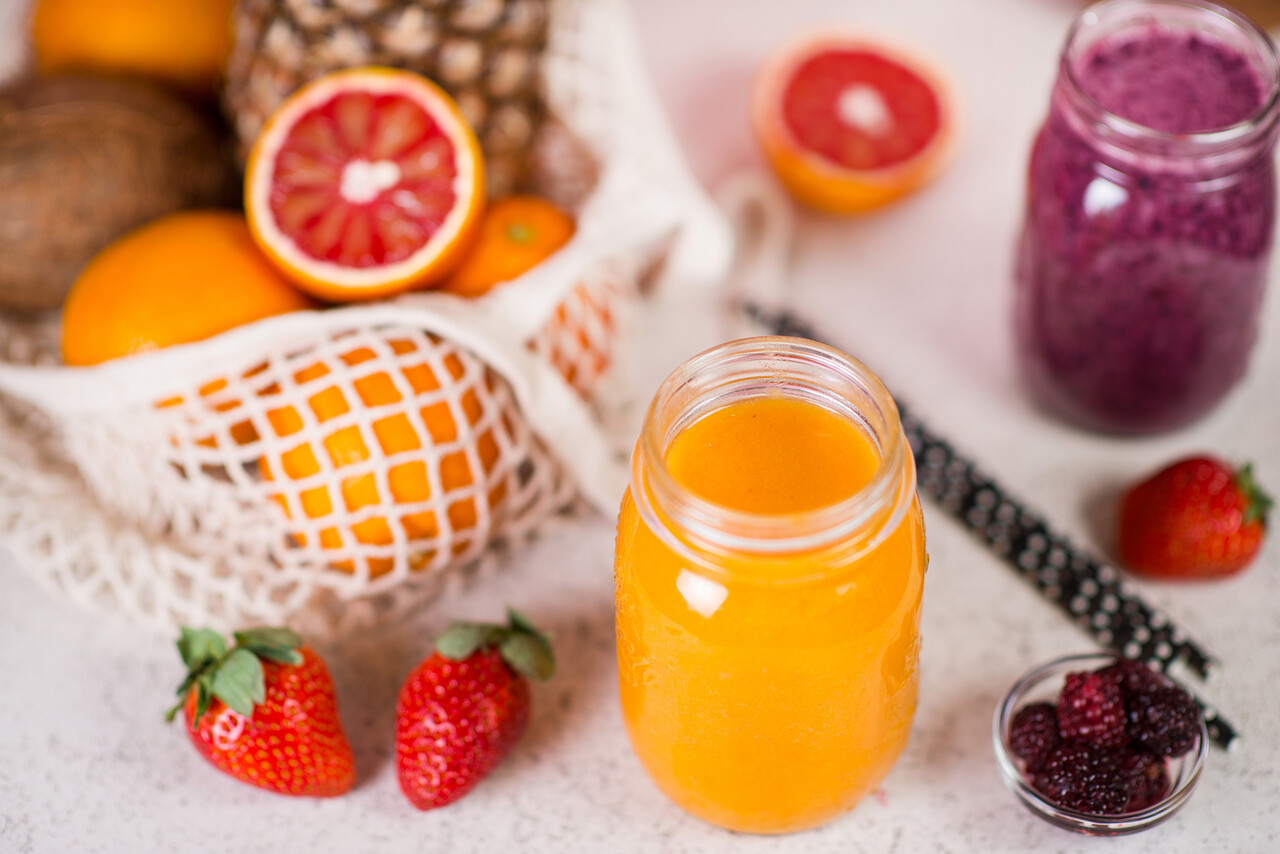
Fruit juices may seem healthy, but many commercially produced versions are concentrated sources of fructose without the fiber naturally found in whole fruit. Without fiber to slow digestion, the liver is responsible for processing a sudden influx of natural sugars, which can be challenging when juice is consumed frequently. Even juices labeled as “100 percent fruit” can contain sugar levels comparable to soda. While occasional consumption is unlikely to harm a healthy liver, daily large servings can contribute to fat accumulation. Choosing whole fruit or diluted juice is a better option for maintaining long-term liver health.
6. Pre-Mixed Cocktails
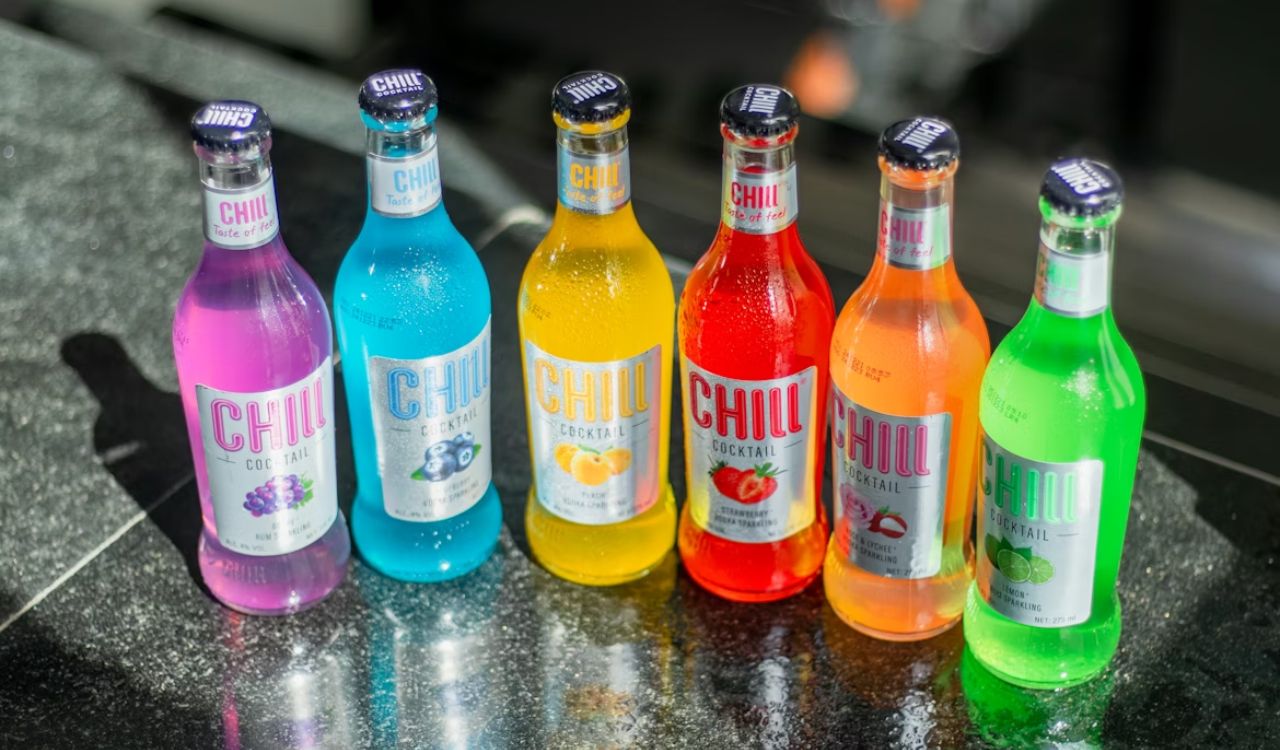
Pre-mixed cocktails sold in cans or large bottles often contain high amounts of sugar, alcohol, and artificial flavoring, creating a difficult combination for the liver. Because these drinks are designed to taste sweet and mask the strength of the alcohol, people may consume more without realizing it. The blend of additives and ethanol increases the workload on the liver, especially when consumed in social settings where portion sizes can be unclear. Compared to freshly mixed cocktails using simple ingredients, pre-mixed varieties add unnecessary burden and may encourage excessive consumption without the drinker being fully aware of its impact.
3 Drinks to Choose Instead

Not all beverages challenge the liver. Some support hydration, provide antioxidants, or help the body maintain balanced metabolic function. Focusing on drinks that offer nutrients without overwhelming the liver allows it to perform its natural detoxification processes efficiently. These beneficial options are easy to include in daily routines and do not require major lifestyle overhauls. Choosing liver-friendly drinks can help counterbalance occasional indulgences, support long-term wellness, and contribute to better overall energy levels. The following beverages are simple, accessible ways to care for the liver naturally.
1. Water

Water remains the most important drink for liver health because it supports hydration and helps the body flush out waste efficiently. When the body is well hydrated, the liver can perform its many functions without unnecessary strain. Water also aids digestion, circulation, and nutrient transport. People who replace sugary beverages with water may notice improved energy and fewer cravings throughout the day. Drinking water consistently supports the liver by maintaining smooth metabolic processes and reducing the buildup of substances that would otherwise require intensive filtering. It is an accessible and effective choice for maintaining liver wellness.
2. Green Tea
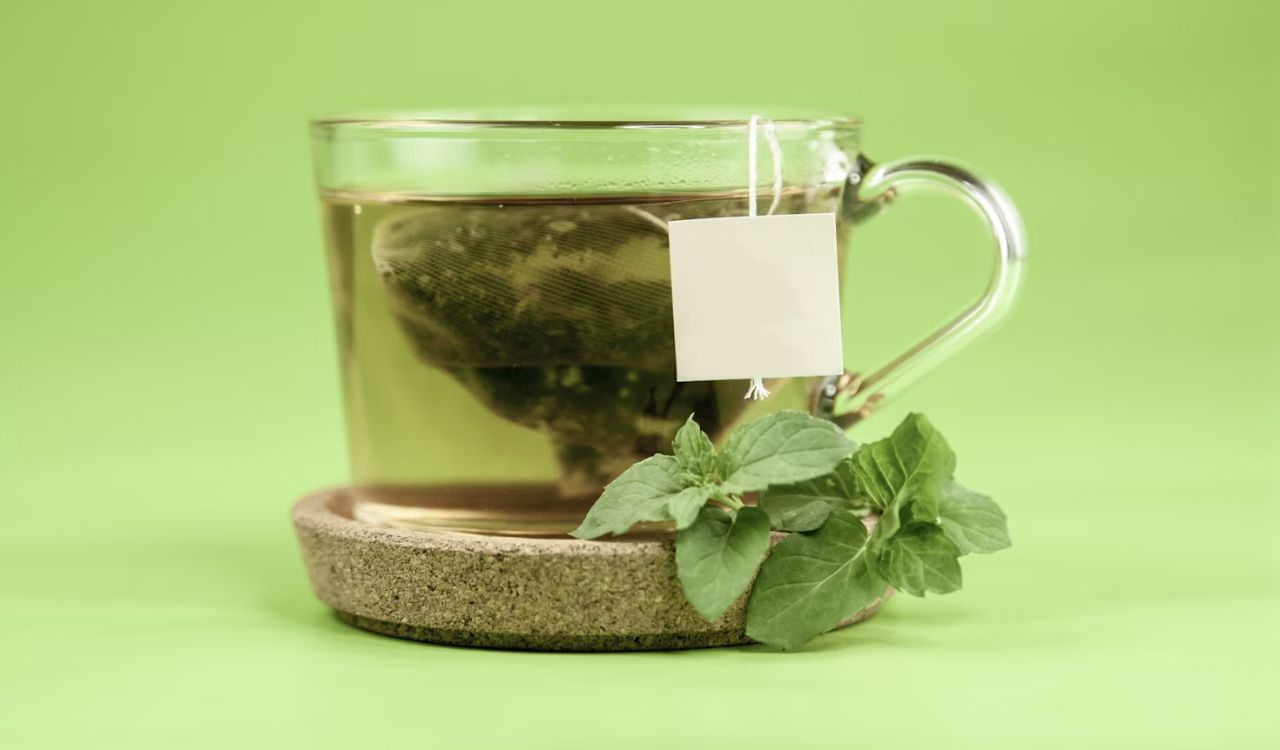
Green tea contains natural antioxidants that support the liver’s ability to manage oxidative stress. These compounds help the liver break down harmful substances more efficiently while protecting cells from damage. Green tea is also low in sugar and calories, making it a good alternative to heavily sweetened drinks. Many people enjoy it warm or iced, allowing for flexibility throughout the year. Although it should be consumed in moderation, green tea offers a gentle and supportive boost to liver health. Its combination of hydration and beneficial plant compounds makes it a smart addition to a balanced diet.
3. Lemon Water
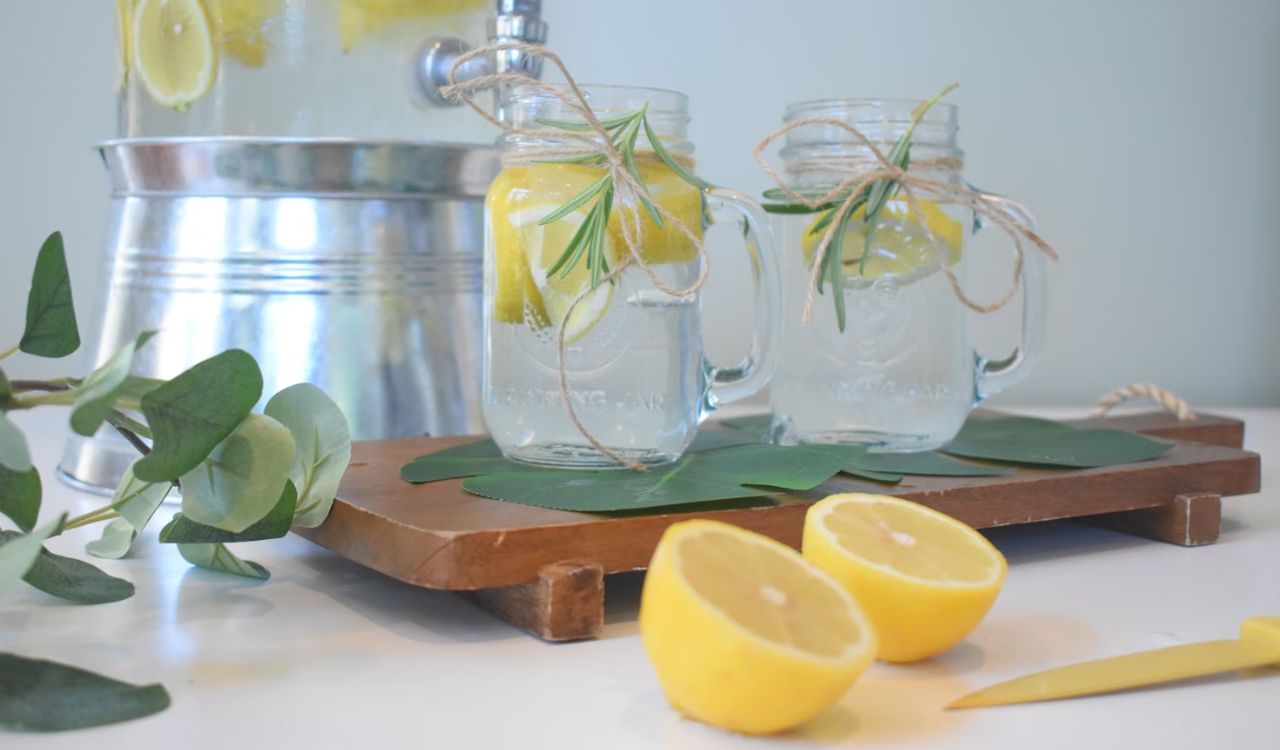
Lemon water offers hydration along with a mild source of vitamin C, which supports overall wellness. Although the liver does not require detox drinks to function, staying hydrated with lightly flavored water can encourage better daily hydration habits. Lemon adds brightness and a refreshing taste that may help people reduce their intake of sugary beverages. The body benefits from the fluid intake, while the gentle acidity may support digestion. Many people enjoy lemon water first thing in the morning as a simple routine that promotes healthy hydration and helps them start the day with a beverage that supports, rather than strains, the liver.