14 Grocery Store Freebies from the Past That Will Never Return

Grocery stores once offered a surprising number of small conveniences for free, from paper bags and recipe cards to food samples and deli tastes. These gestures created a sense of community and made everyday shopping feel more personal. Over time, stricter safety regulations, environmental goals, and rising operational costs led retailers to phase out many of these perks. Looking back at these now-vanished freebies shows how much the shopping experience has evolved and why many once-common courtesies are unlikely to return.
1. Free Paper Grocery Bags
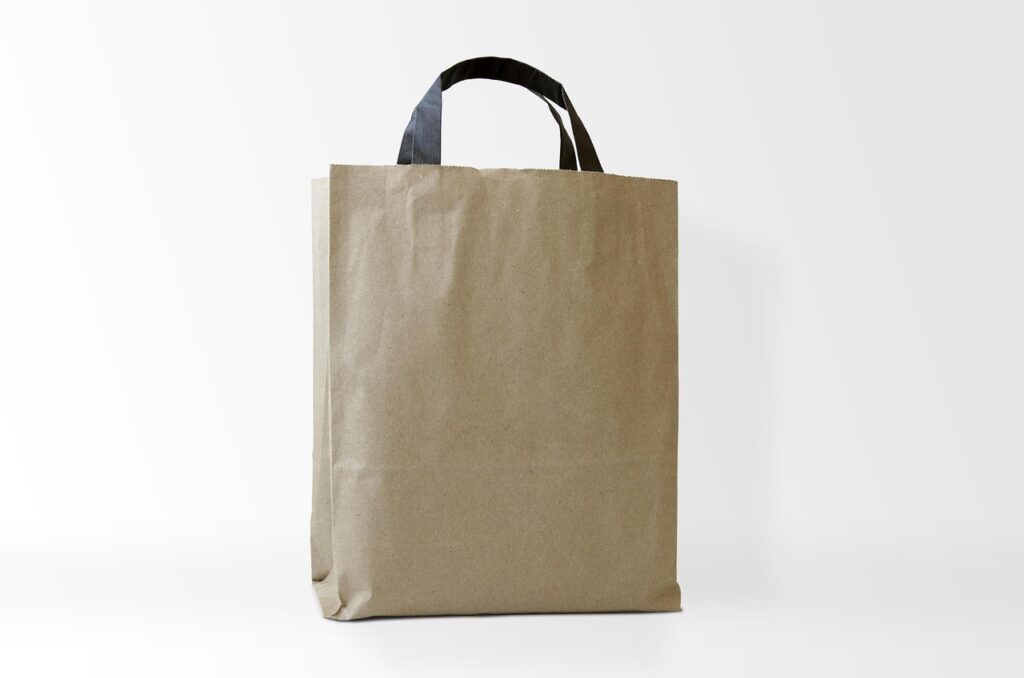
There was a time when grocery stores handed out paper bags without a second thought because they were considered a basic cost of doing business. These sturdy brown bags were part of the shopping ritual, stacked neatly at the end of every checkout lane and offered with no limits. As environmental concerns grew and retailers faced tighter operating margins, the shift toward paid bags became inevitable. Today, charging for bags reflects a combination of sustainability efforts and economic adjustments, marking the end of an era when packaging felt like a complimentary service rather than a regulated commodity.
2. Free In-Store Gift Wrapping

Many grocery stores once offered complimentary gift wrapping for items purchased during holidays or special promotions. This service provided a convenient way for customers to prepare last-minute gifts, and it also served as a subtle marketing tool by aligning the store with community tradition. As labor costs increased and staffing became more specialized, free wrapping became difficult to justify. Liability concerns around scissors, tape, and space allocation further complicated the offering. With the rise of self-wrapping stations and inexpensive gift bags, this service faded from mainstream use. What once felt like a thoughtful courtesy is now a rare luxury reserved for select retailers willing to absorb the cost.
3. Free Birthday Treats

Birthday programs once flourished in grocery stores, where customers could receive complimentary cupcakes, cookies, or small gifts as part of community engagement efforts. These gestures created goodwill and encouraged repeat visits. Over time, however, bakeries faced tighter regulations on food handling and allergen controls, making spontaneous giveaways riskier. As loyalty programs evolved digitally, stores replaced free physical treats with discounts or reward points. Rising ingredient and labor costs also made it challenging to offer fresh items for free.
4. Free Produce Bags
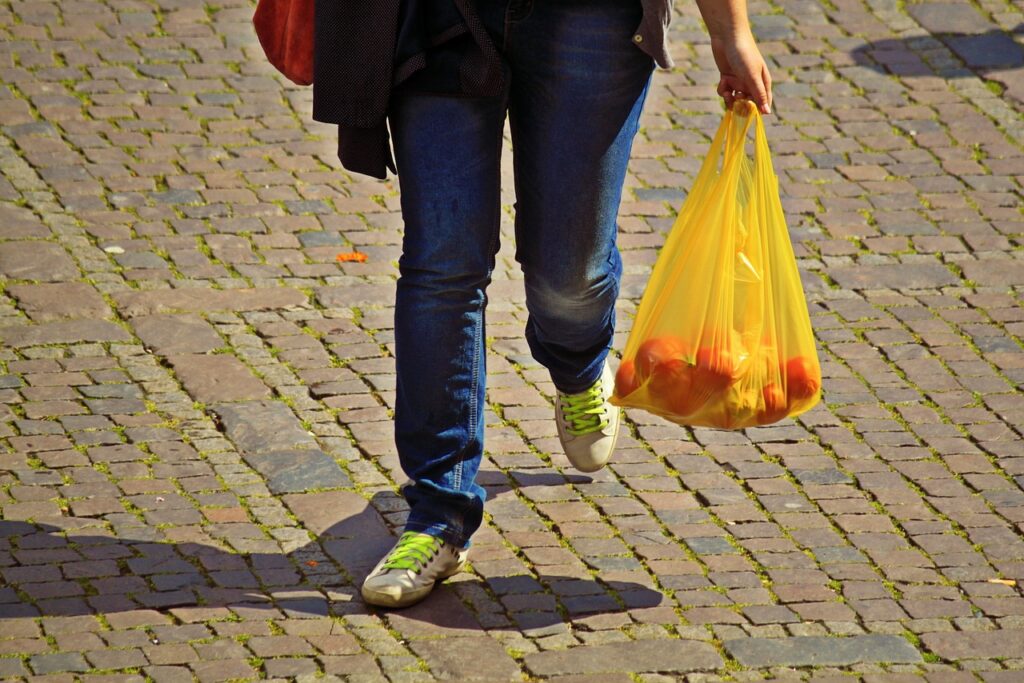
Thin produce bags were once offered in unlimited quantities so customers could portion fruits and vegetables as they pleased. Their convenience made them widely used, but concerns grew over plastic waste and environmental impact. Legislation enforced in many regions placed restrictions on single-use plastics, prompting stores to limit or eliminate free distribution. Even paper alternatives carry higher production and disposal costs, encouraging retailers to adopt reusable solutions. The era of grabbing handfuls of free bags has ended as grocery stores balance convenience with sustainability goals.
5. Free In-Store Food Samples

Food samples were a staple of the grocery shopping experience, offering customers a chance to taste new products or specialty items before committing to a purchase. These samples often introduced shoppers to unfamiliar ingredients and boosted sales for vendors. Over time, safety regulations tightened to reduce risks associated with cross-contamination, improper handling, and allergens. The cost of staffing sampling stations also rose, making it less feasible for everyday operations. While some specialty stores still provide occasional samples, the widespread availability once enjoyed by shoppers has largely faded, replaced by packaged trial sizes or digital promotions.
6. Free Disposable Cutlery and Plates

Grocery store delis once offered free plastic cutlery and small plates to pair with prepared foods, catering to customers who intended to eat immediately or sample items at home. This convenience came with rising environmental and financial costs as plastic dependence grew. Concerns over waste management, recycling limitations, and single-use consumption pushed many retailers to reduce or eliminate complimentary utensils. Providing these items now involves fees or opt-in requests to discourage unnecessary waste.
7. Free Extra Condiment Packets
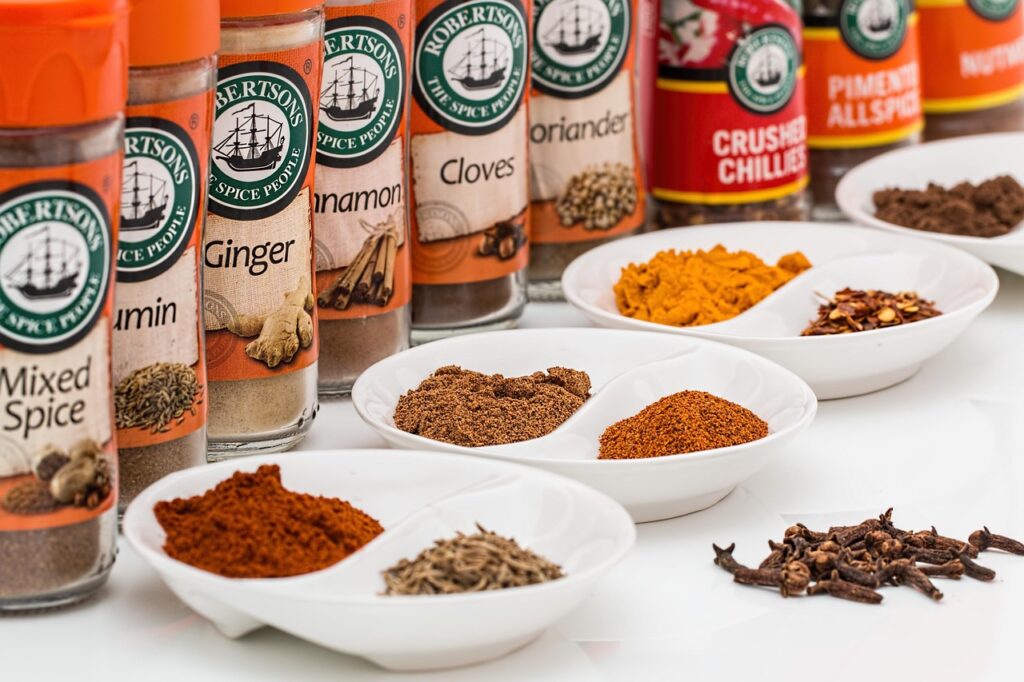
There was a period when customers could take as many condiment packets as they wished from deli counters or prepared food sections. Stores stocked large bins filled with ketchup, mustard, and sauces, viewing them as minor operational costs. As ingredient prices rose and waste increased, retailers adopted stricter portion control. Excessive use and disposal contributed to environmental concerns, prompting stores to limit freebies or charge for extras. This adjustment not only reduces unnecessary consumption but also aligns with modern efforts to improve cost management and sustainability within grocery operations.
8. Free Recipe Pamphlets and Magazines
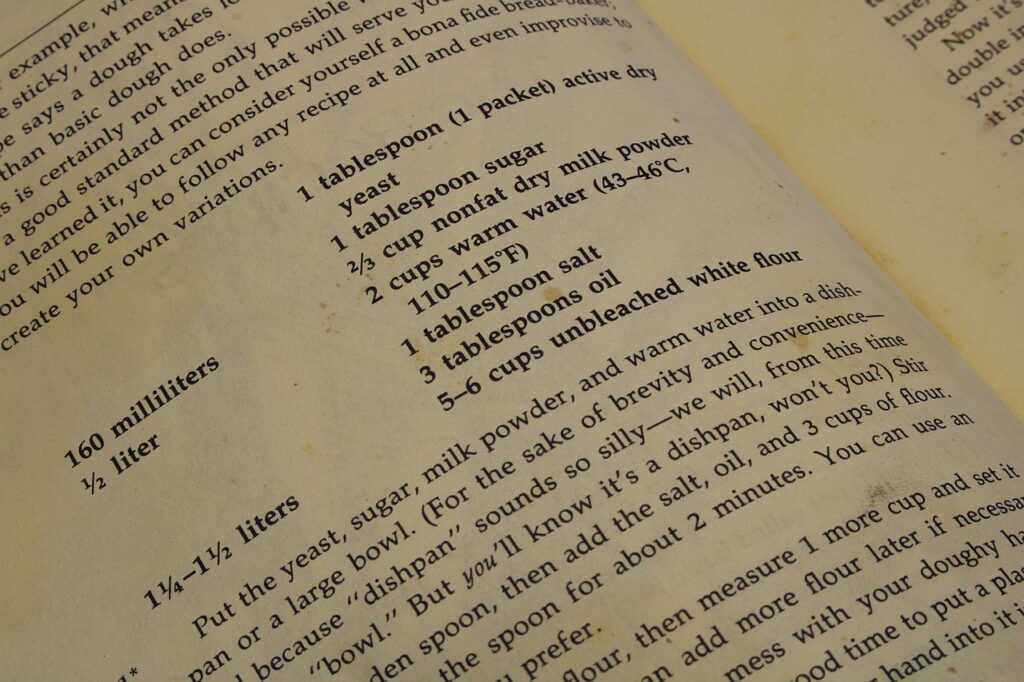
Printed recipe brochures were once easy to find near checkout lanes, offering customers seasonal dishes and weekly meal ideas. These pamphlets encouraged creativity in the kitchen and built customer loyalty by positioning the store as a source of inspiration. With the advent of digital media, however, printing costs and paper waste became harder to justify. Customers shifted toward online recipes, cooking apps, and video tutorials, making physical pamphlets less relevant. While nostalgic for many, these materials have largely vanished as grocery stores adapt to digital engagement strategies.
9. Free Day Old Bread and Bakery Items

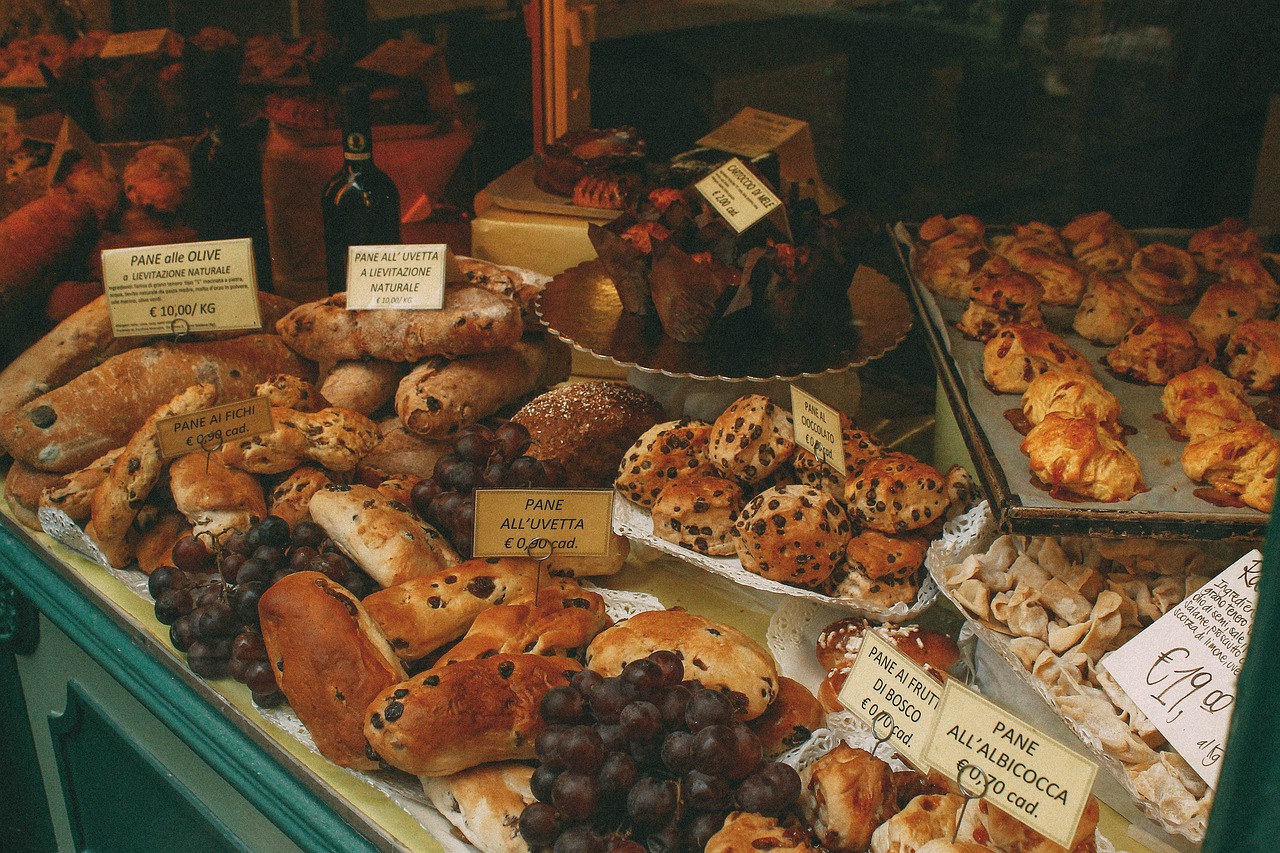
Grocery stores once routinely gave away unsold bread or pastries at the end of the day to avoid waste and foster goodwill. As food safety regulations became more stringent, liability concerns around giving away perishable items increased. Stores faced risks if customers became ill after consuming complimentary baked goods, even if the items were still safe but near their expiration. Additionally, waste management and donation programs grew more formalized, redirecting leftover goods to food banks rather than individual customers. The practice of casual end-of-day giveaways has disappeared in favor of structured, regulated redistribution.
10. Free Reusable or Cloth Produce Bags
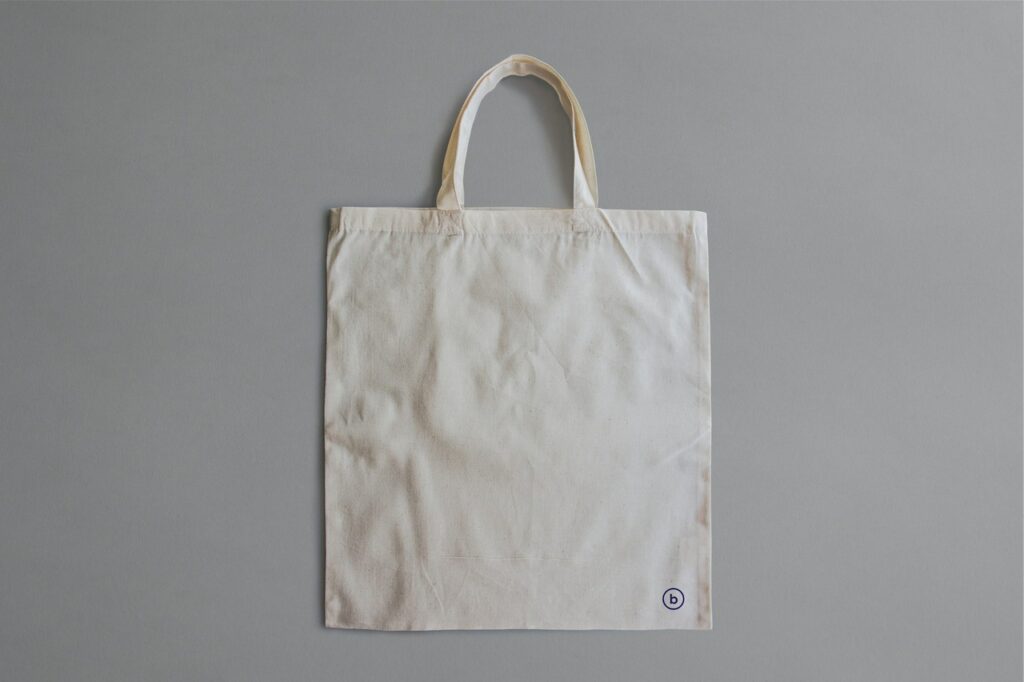
Some stores once offered reusable cloth or mesh produce bags as part of sustainability campaigns or promotional events. These bags helped reduce plastic use and encouraged eco-friendly habits. Over time, however, rising production and shipping costs made it less feasible to distribute them for free. Retailers also shifted toward selling reusable bags to create revenue while supporting environmental initiatives. As sustainability awareness grew, the expectation of free items diminished, replaced by a willingness to invest in long-lasting alternatives. Complimentary reusable bags now appear only during special promotions rather than everyday shopping.
11. Free Trial-Sized Toiletries and Hygiene Samples
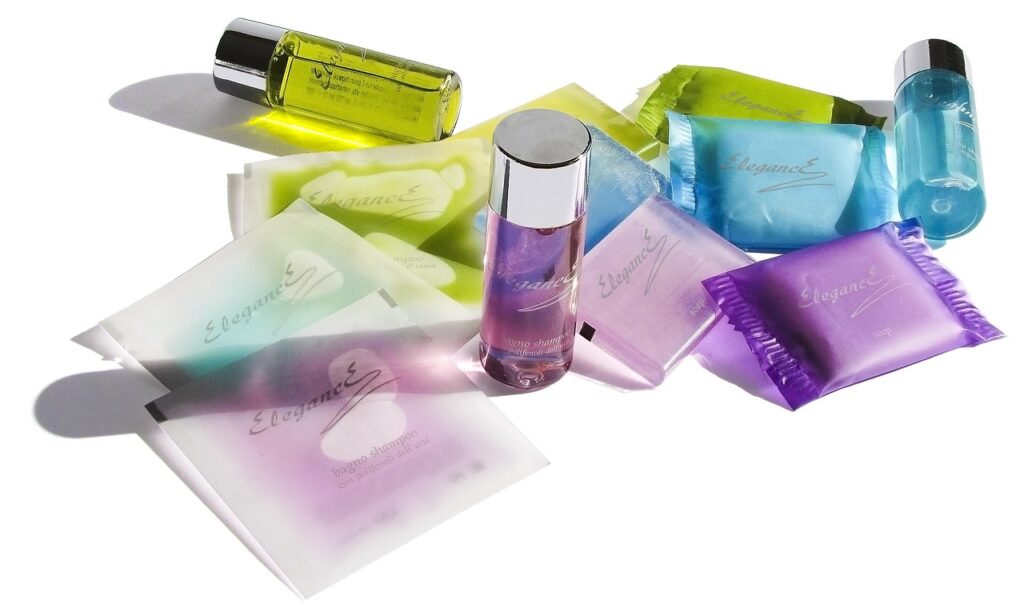
Grocery stores frequently offered sample-sized shampoos, lotions, or household items as part of brand promotions. These freebies allowed customers to test new products without committing to full-size versions. With increasing regulation of promotional goods, more complex distribution rules, and cost-cutting measures, stores reduced reliance on physical samples. Many brands transitioned to digital coupons or in-app promotions that provide targeted discounts instead. The decline of in-store free samples reflects a shift toward personalized marketing and reduced physical waste.
12. Free Deli Slices for Tasting

It was once customary for deli workers to offer customers small samples of sliced meat or cheese before they finalized a purchase. This tradition helped shoppers judge texture and flavor, and it added a friendly, personal touch to the deli experience. With updated food handling regulations and concerns about cross-contamination, many stores tightened policies around open sampling. Staffing changes and efficiency demands also reduced opportunities for personalized service. Modern delis prioritize packaged samples or clear labeling instead of spontaneous tasting, marking the end of a once charming, interactive practice.
13. Free Produce Twist Ties

Twist ties were once available in large dispensers so shoppers could secure produce bags and organize their groceries with ease. As costs rose and concerns about plastic waste increased, many stores began limiting the availability of these small items. Though inexpensive individually, twist ties accumulate significant expense when offered freely in high volume. Environmental goals and the push toward reusable solutions further reduced their presence. Today, stores typically offer them in limited quantities or replace them with paper-based alternatives, ending the era of unlimited twist-tie access.
14. Free Printed Coupons at Checkout

Printed coupons used to be handed out liberally at checkout, often attached to receipts or given directly to customers. These coupons promoted new products and encouraged repeat visits. As digital loyalty programs and mobile apps evolved, retailers shifted toward personalized savings delivered electronically. Printing costs and paper waste also contributed to the decline of physical coupons. The convenience and precision of digital promotion eventually outpaced traditional methods, leaving printed coupons as a relic of earlier shopping habits. Shoppers now access deals through scanning apps rather than collecting paper slips at the register.