10 Fast Food Items Pulled Before Most People Tried Them

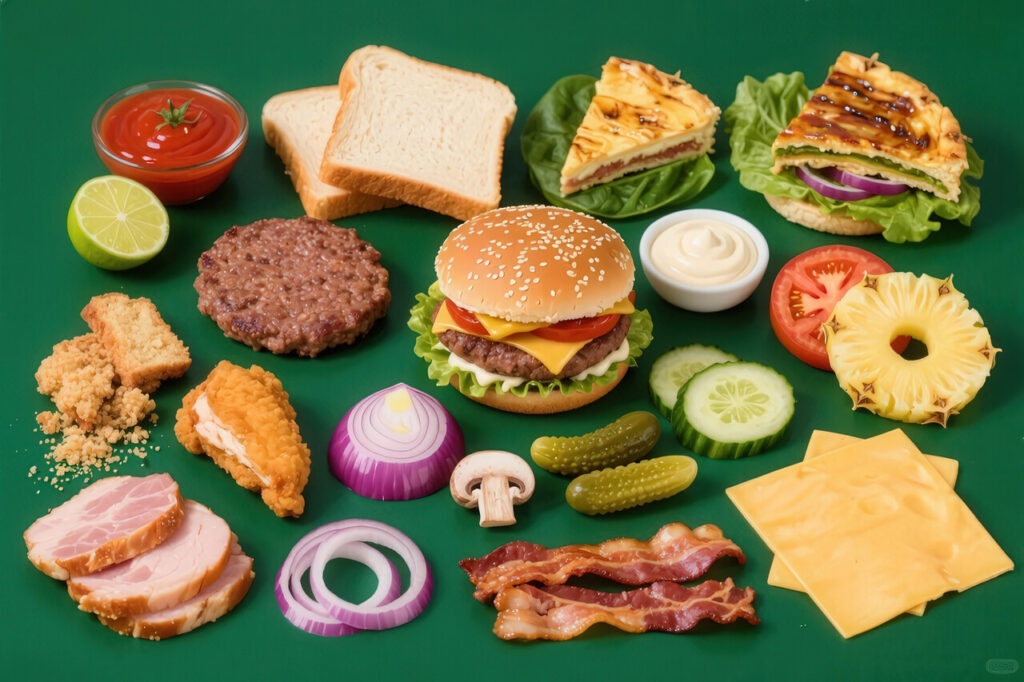
Fast food menus change constantly, but some items disappear so quickly that many customers never even realize they existed. These short-lived creations often struggled with operational issues, pricing concerns, or a mismatch between concept and brand identity. Others were ambitious ideas that simply didn’t work in a fast-paced kitchen. While each item had potential, their limited availability left them remembered more as curiosities than lasting successes. Together, they show how challenging innovation can be in a system built on speed, consistency, and customer familiarity.
1. McHot Dog
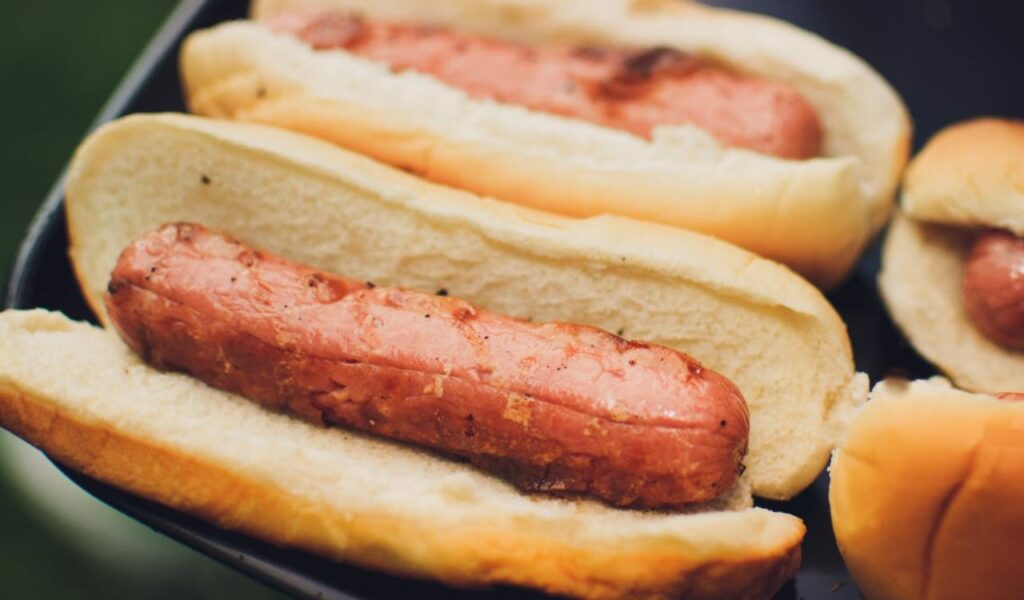
The McHot Dog is one of McDonald’s most short-lived experiments, remembered largely because customers in many regions never had the chance to try it. The idea focused on expanding beyond burgers by offering a classic ballpark-style hot dog that could be prepared quickly within the constraints of a fast food kitchen. However, equipment limitations and operational concerns made it difficult to integrate consistently into existing workflows. Franchise owners also worried that hot dogs would compete with core menu items rather than complement them. Combined with uneven demand and a lack of marketing focus, the McHot Dog disappeared before gaining real traction.
2. McPizza
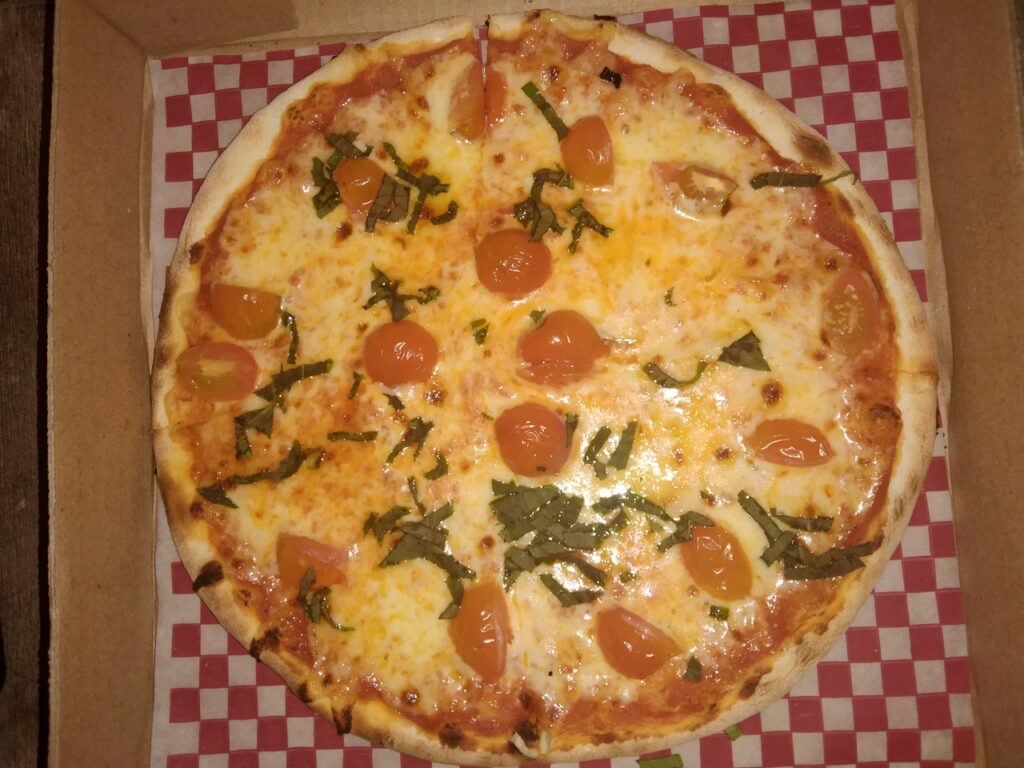
McPizza became one of the most ambitious menu experiments McDonald’s attempted, designed to draw families who preferred sit-down meals with shareable options. The challenge came from the preparation time. Unlike burgers and fries, pizza requires longer cooking periods, and early versions took nearly fifteen minutes, which clashed with expectations of quick service. Attempts to redesign ovens and streamline the process still resulted in wait times that frustrated customers. The complexity of storing dough, sauce, cheese, and toppings further strained kitchen operations.
3. Burger Buddies
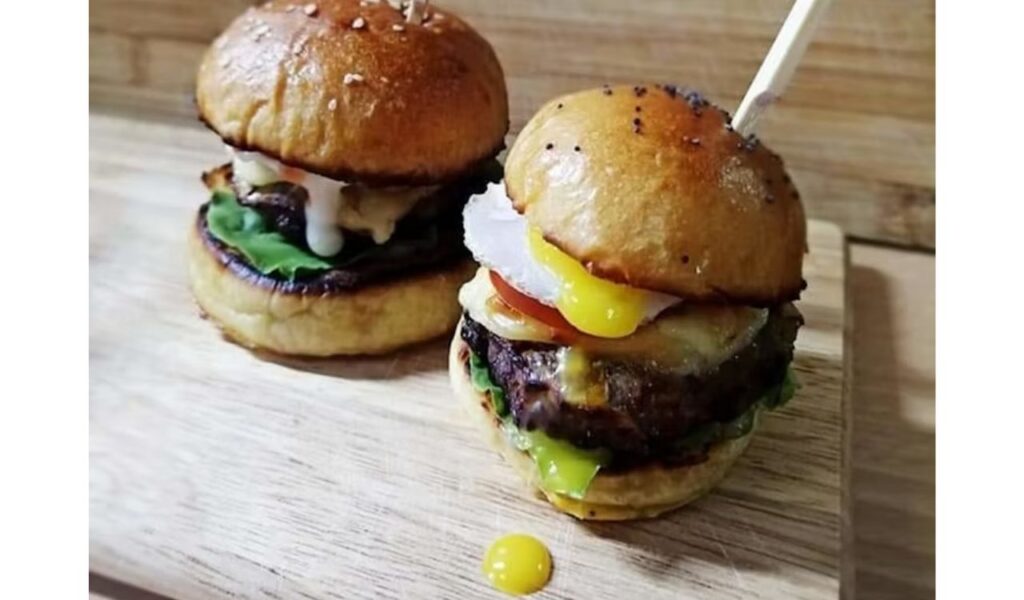
Burger Buddies introduced a small slider-style format to the Burger King menu, aiming to replicate the appeal of bite-sized burgers popularized by regional chains. The concept was promising, but Burger King’s broiler, which cooks patties via direct heat, was not ideal for smaller burger sizes. The patties dried out quickly, resulting in consistency problems that impacted customer satisfaction. Maintaining quality across multiple locations proved difficult, and the item required additional labor at peak times. While the idea resonated with customers seeking variety, the operational challenges limited its longevity.
4. Bell Beefer
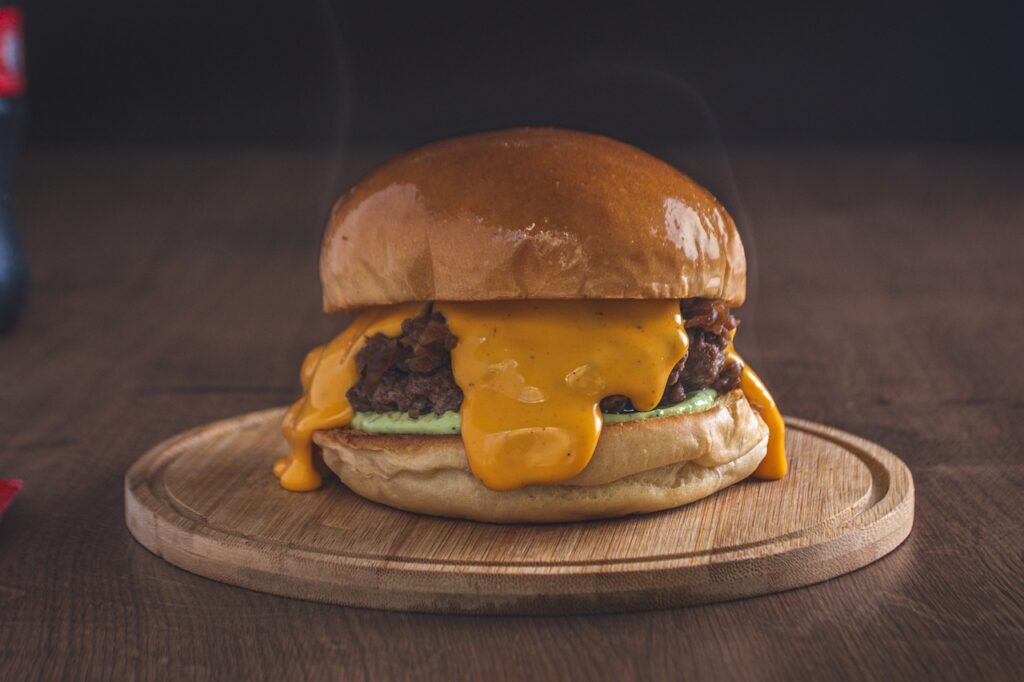
The Bell Beefer was Taco Bell’s attempt to compete with traditional fast food burgers by placing seasoned taco meat inside a hamburger-style bun. The result blended Mexican-inspired flavors with a familiar sandwich format, creating a hybrid item that appealed to some but confused others. The product lacked the visual identity of Taco Bell’s established tacos and burritos, and many customers overlooked it in favor of more recognizable menu offerings. As newer items gained popularity, the Bell Beefer lost its place and was phased out quietly. Its brief presence underscores how brand recognition plays a central role in determining whether crossover menu items can survive in a busy fast food environment.
5. Enormous Omelette Sandwich
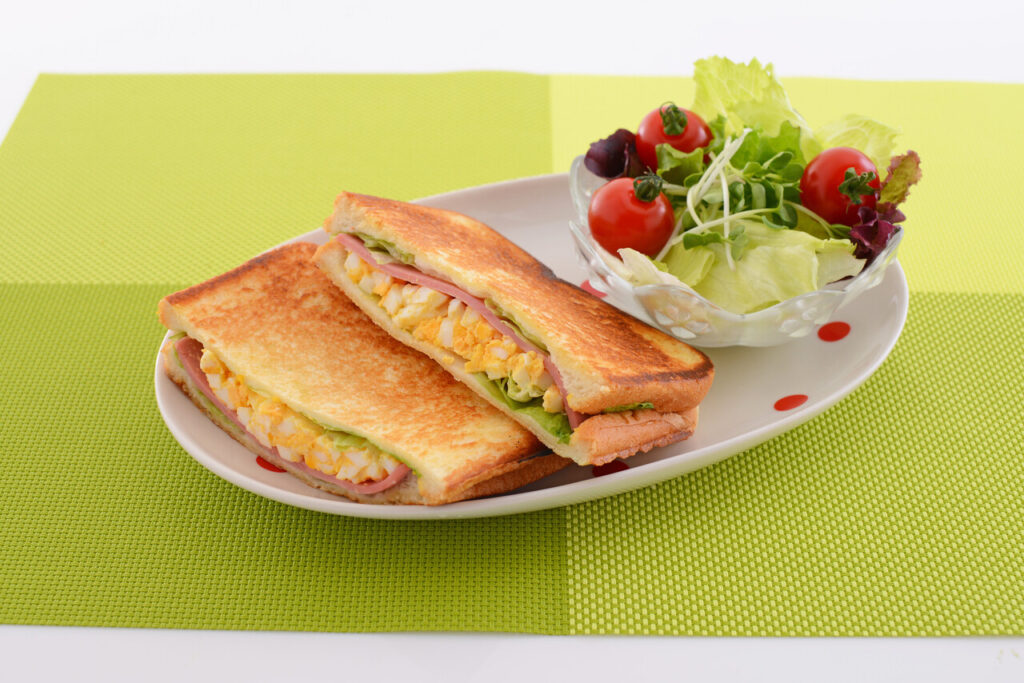
The Enormous Omelette Sandwich attempted to capture attention by offering a highly filling breakfast option featuring eggs, sausage, bacon, and cheese on a bun. The sandwich delivered substantial protein and calories, but the size created mixed reactions. Consumers seeking quick morning meals often preferred lighter or more portable items, while those drawn to heartier breakfasts sometimes felt the sandwich was too indulgent for regular consumption. These factors, combined with shifting preferences toward healthier options, contributed to declining sales. Although its flavor profile had supporters, the item ultimately could not balance portion size with demand.
6. McDLT
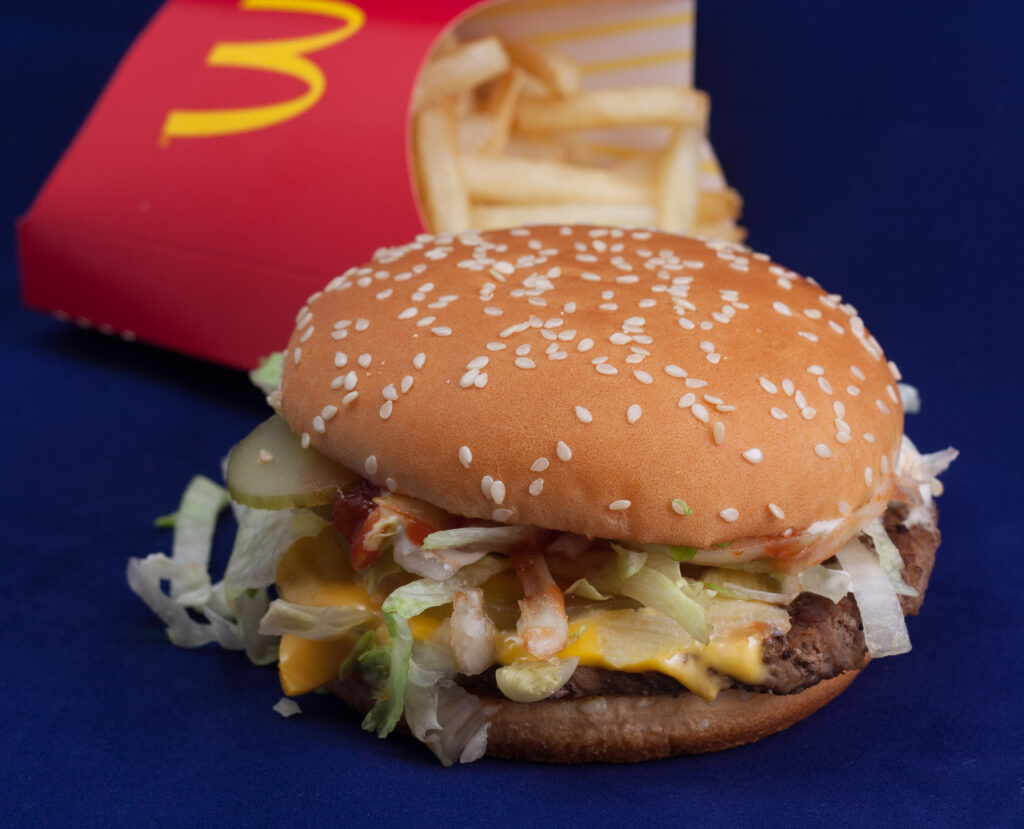
The McDLT introduced a unique packaging concept designed to keep the hot and cold components of a burger separate until the customer combined them. The goal was to maintain the crispness of lettuce and tomato while delivering a warm burger patty. The idea required a dual-compartment container, which added complexity to production and drew criticism for excessive packaging. As concerns around environmental impact grew, the container became increasingly impractical. Additionally, competitors offered simpler burgers with similar appeal, reducing the need for such innovation. Although the product demonstrated creative thinking, its packaging overshadowed its culinary features, leading to its eventual discontinuation.
7. Mighty Wings
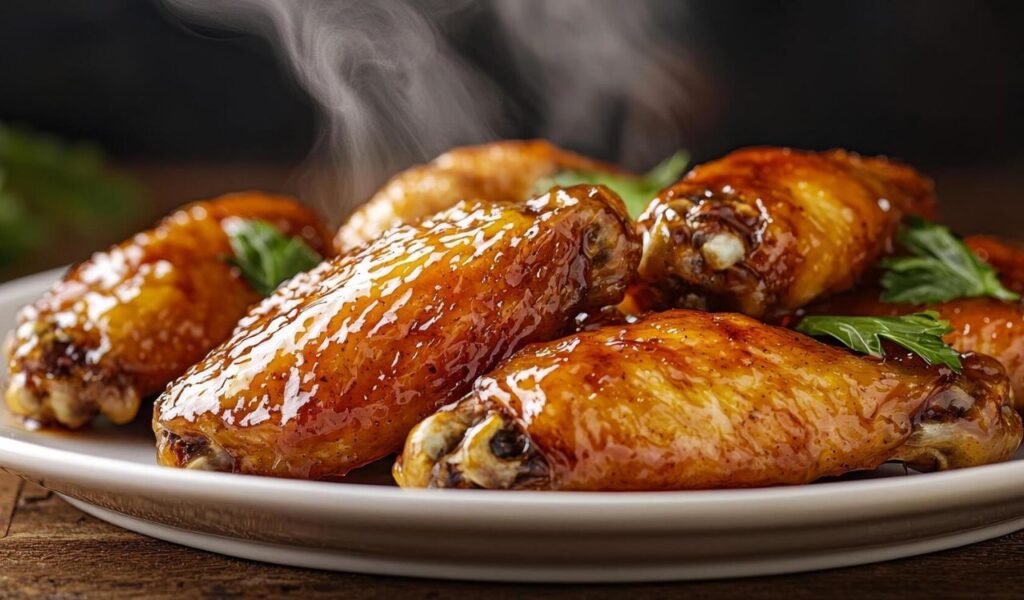
Mighty Wings offered a bold, spicy alternative to McDonald’s standard fried items by introducing bone-in chicken wings coated in seasoned breading. The wings were well received for flavor, but pricing became a major barrier. Sold at a premium compared to other value-oriented items, the wings struggled to attract repeat customers. Their spiciness also proved stronger than expected for the average fast food audience. On the operational side, wings required specific fry times that slowed kitchen flow during busy periods. Although the wings showcased solid craftsmanship, they were ultimately misaligned with customer expectations around cost and flavor intensity. This made them one of McDonald’s shortest-lived offerings.
8. Chicken Selects
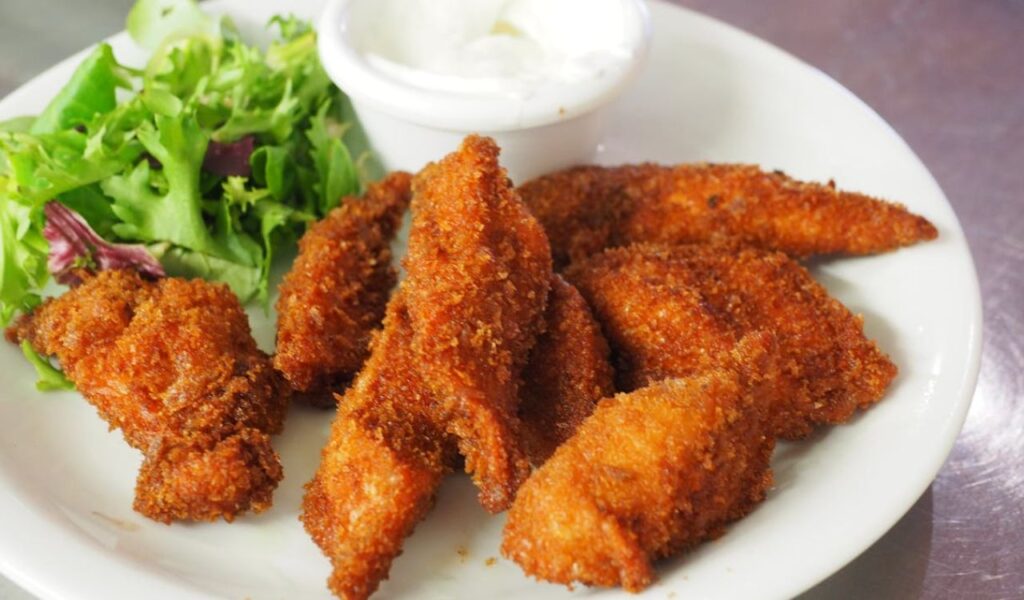
Chicken Selects were introduced to give customers a higher-quality chicken option with a crisp breaded exterior and consistent strip shape. The product initially gained popularity, but high production costs and supply chain challenges made it difficult to maintain profitable margins. As consumer habits shifted toward more portable snack-sized chicken items, demand for full-sized strips decreased. The chain paused and reintroduced variations several times, but none sustained long-term success. Chicken Selects illustrate how supply costs and dining trends influence menu stability. Even items with strong early performance must align with broader operational strategies to remain viable.
9. McSpaghetti

McSpaghetti was created to expand McDonald’s offerings into pasta-based meals, aiming to attract families seeking comfort food beyond burgers. The dish featured soft noodles, tomato sauce, and optional sides like fried chicken, depending on the region. While the idea gained traction in a few international markets, it struggled in areas where fast food customers prioritized speed and traditional menu items. Pasta requires different preparation techniques, and maintaining a consistent texture proved challenging in a quick-service setting. As a result, the product remained limited in scope and was eventually removed from most menus.
10. Frings
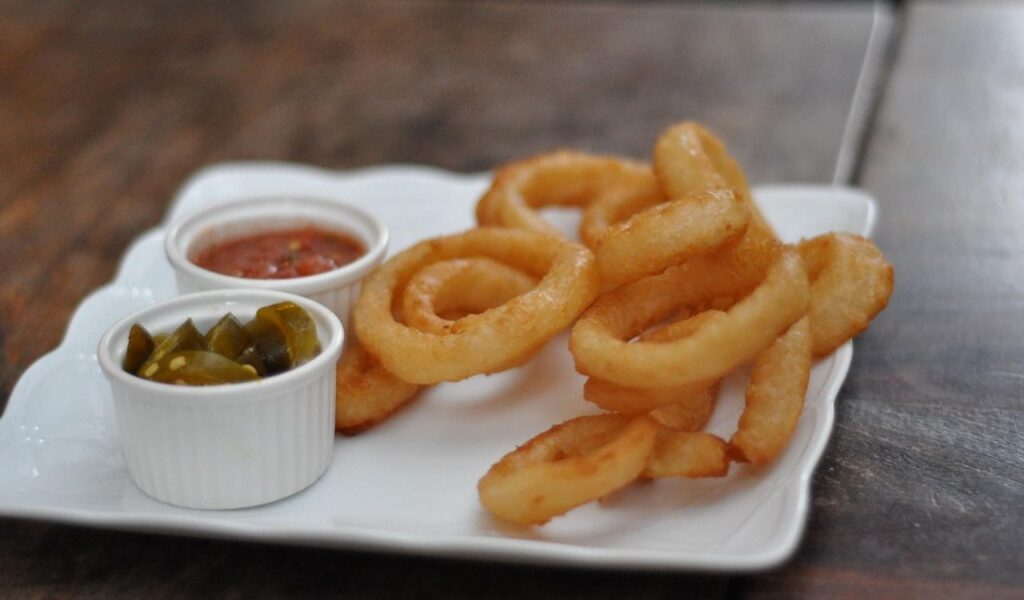
Frings combined French fries and onion rings in a single order, offering customers the chance to enjoy two popular sides without committing to one. The idea was clever, but execution proved complicated. Balancing fry times and ensuring both components reached the counter at the correct temperature required more coordination than expected. Additionally, onion rings tended to lose crispness when packaged with fries, which affected overall quality. While many customers enjoyed the concept, operational inconsistencies limited the item’s reach. Frings remain a reminder that even promising hybrid products must meet logistical and quality demands within fast food kitchens.