15 Once Popular Candies You Can’t Buy Anymore
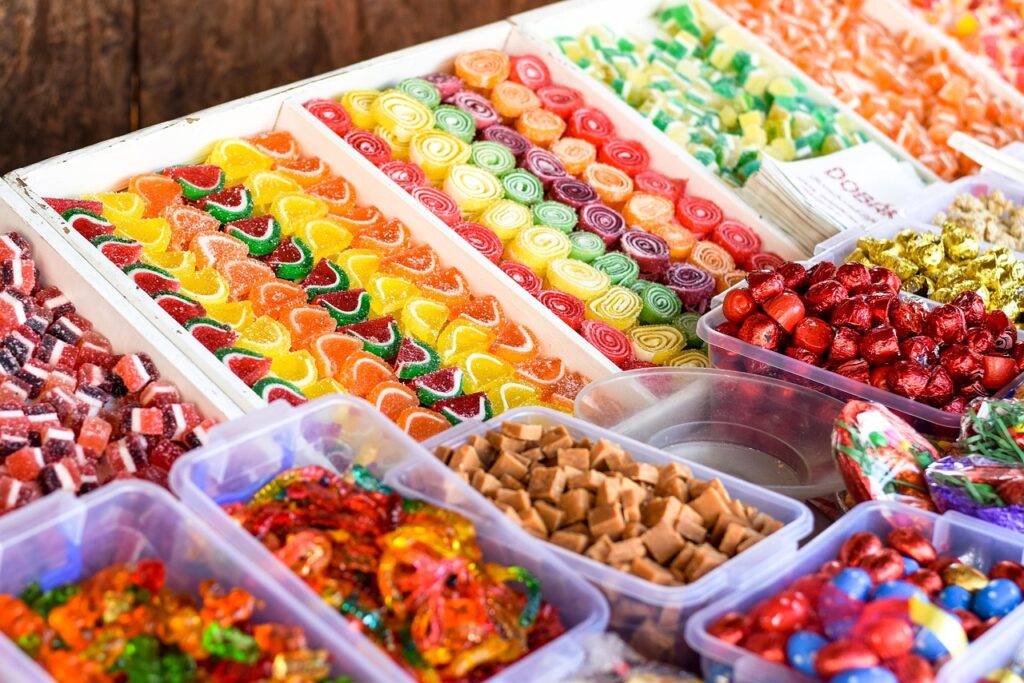
Many candies that once filled lunch boxes, movie theaters, and corner stores have quietly disappeared, shaped by changing tastes, shifting costs, and new industry priorities. Some vanished because formulas changed, others faded as trends moved toward softer textures or simpler flavors. Yet each discontinued candy carries a sense of nostalgia, reminding people of how quickly the confectionery world evolves. These lost favorites reveal the stories behind products that once captured attention before slipping out of everyday life.
1. Butterfinger BB’s
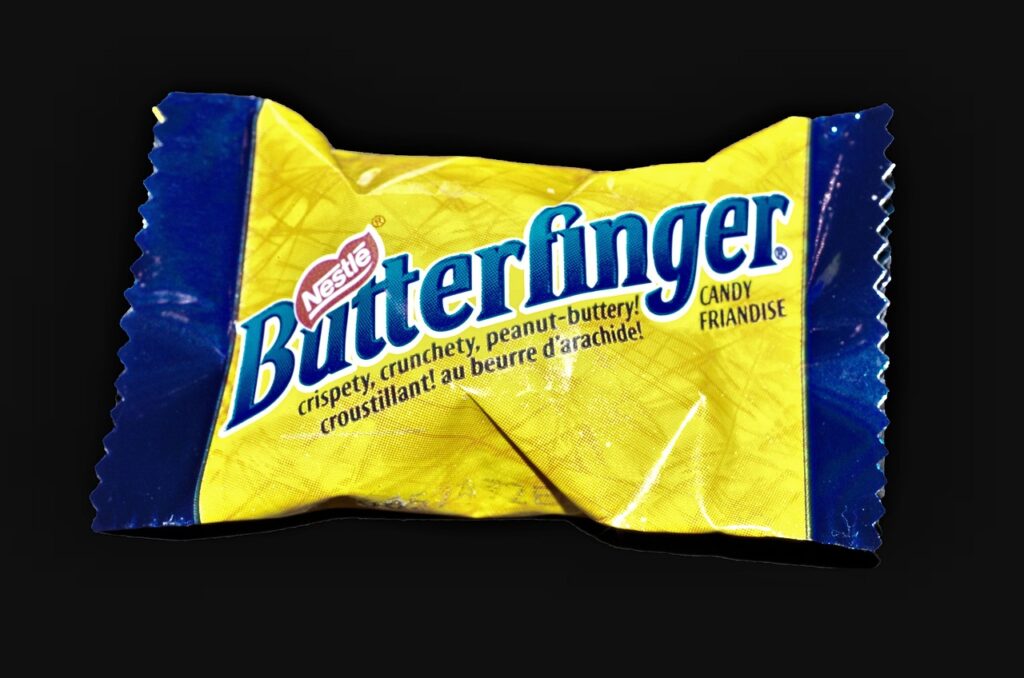
Butterfinger BB’s became a favorite because they offered the same crisp peanut butter core and chocolate coating as the full-sized bar, but in a bite-sized, poppable format. Their small shape made them easy to snack on and ideal for sharing, which helped them stand out in the 1990s candy landscape. Over time, however, the product struggled with melting issues that made the pieces stick together, affecting shelf stability and consumer satisfaction. Despite their discontinuation, the nostalgia remains strong because the candy represented a playful twist on an established classic, proving that size and shape can influence how people enjoy familiar flavors.
2. Hershey’s Swoops
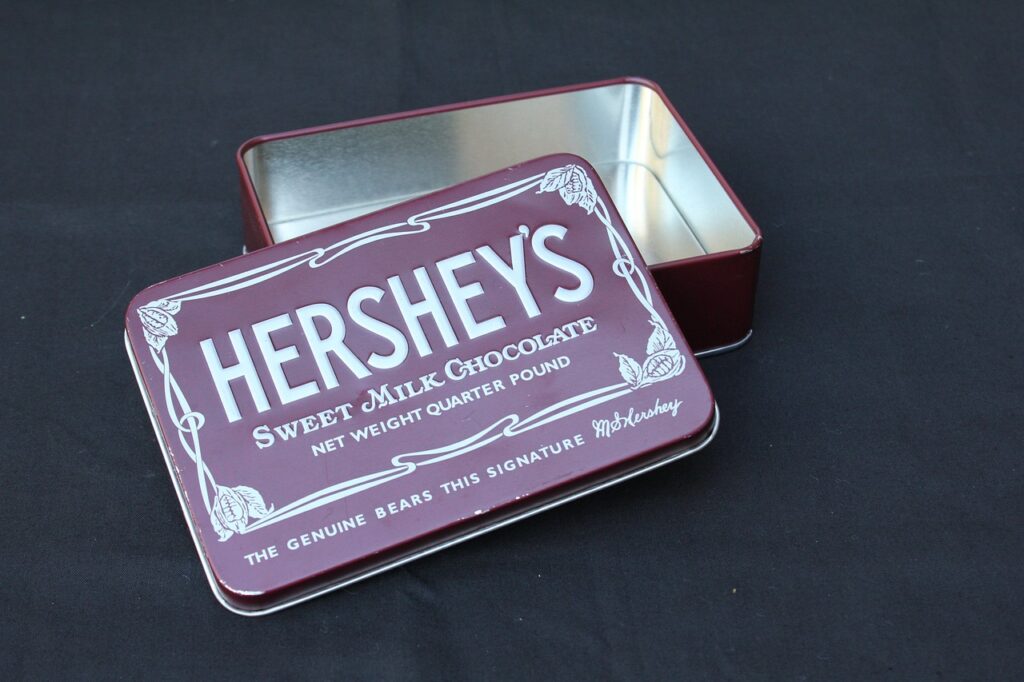
Hershey’s Swoops attracted attention because of their unconventional shape, designed to resemble potato chips made entirely of chocolate. Their curved form gave each piece a unique mouthfeel and provided a different way to experience traditional Hershey flavors. The novelty initially generated interest, but consumer habits shifted, and the product’s higher price point made it less competitive when compared to standard chocolate bars. The packaging emphasized individuality rather than bulk, which reduced affordability for frequent snacking. Over time, demand declined as shoppers favored more traditional forms of chocolate.
3. Hershey’s Kissables
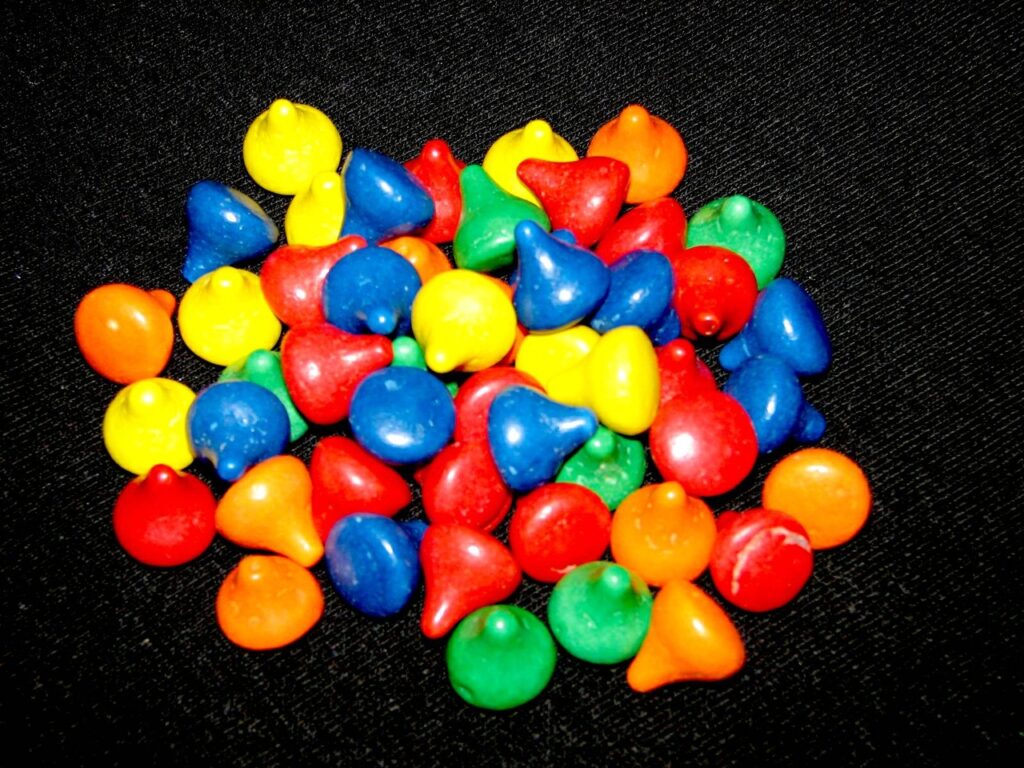
Hershey’s Kissables were developed as a smaller, candy-coated version of the iconic Hershey’s Kiss, offering bright colors and a convenient format reminiscent of bite-sized chocolate treats. The product initially performed well, but changes in the chocolate formulation later affected taste and texture, reducing overall appeal. Once consumer feedback shifted negatively, sales began to drop, and the brand chose to discontinue the line entirely. The candy’s short-lived lifespan reflects how delicate brand trust can be, especially when a product is derived from a long-standing classic. Kissables are remembered fondly because they offered a playful, colorful alternative to a staple chocolate item.
4. Altoids Sours
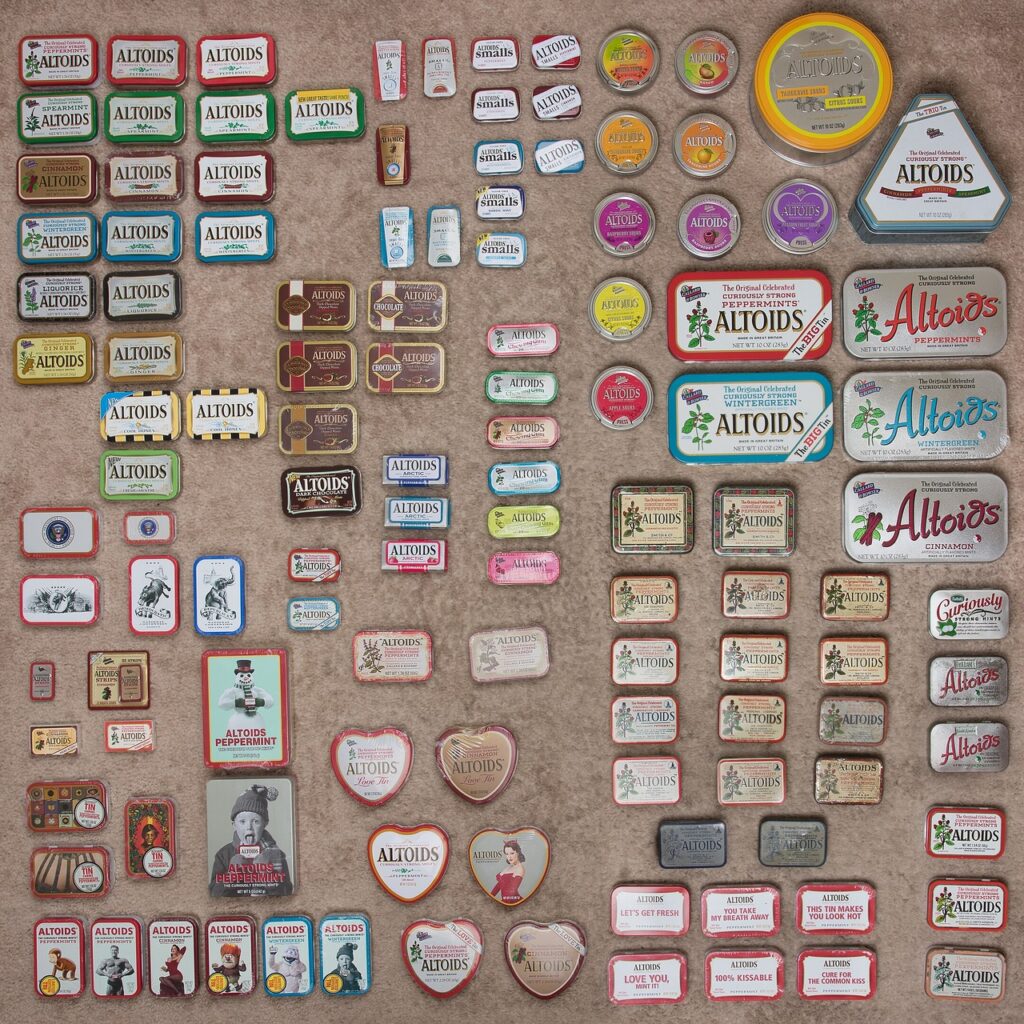
Altoids Sours gained a dedicated following because they delivered an intense burst of fruit acidity not commonly found in mainstream candy tins. Their sharp flavors and powder-coated surfaces created a sensory experience that felt bold and memorable. Despite their popularity among niche groups, the broader marketplace moved toward milder, more universally appealing flavors, which reduced overall demand. The manufacturing and distribution costs outweighed their sales potential, leading to their eventual discontinuation. Fans still recall Altoids Sours as a standout example of how a candy can succeed through intensity and character, even if it cannot sustain widespread commercial success long term.
5. PB Max

PB Max stood out because it combined thick peanut butter, whole-grain cookie bases, and chocolate in a format that felt more substantial than typical candy bars of its time. The ingredients created a dense texture that appealed to peanut butter lovers, and the bar’s structure offered a more filling experience. However, internal brand priorities shifted, and the parent company focused on more profitable lines, ultimately discontinuing PB Max despite its respectable fan base. The candy’s disappearance demonstrates how corporate strategy sometimes outweighs consumer enthusiasm.
6. Life Savers Holes
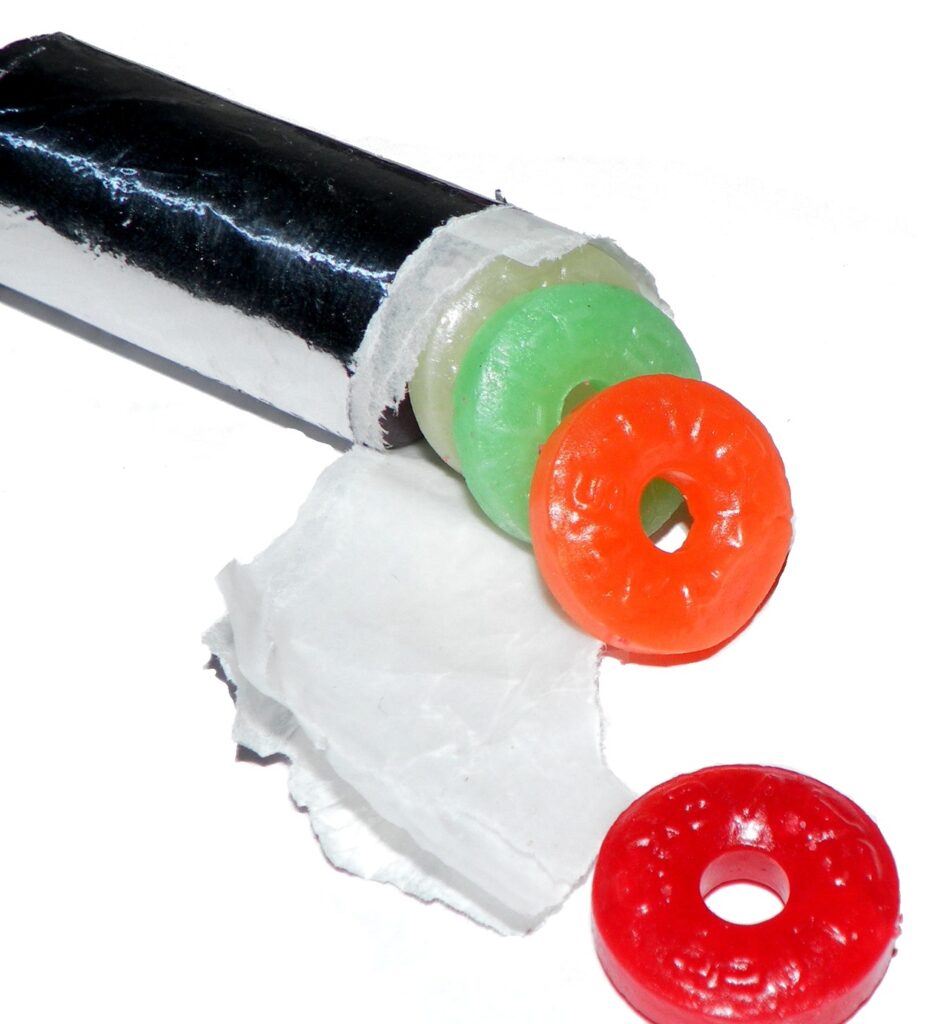
Life Savers Holes attempted to capitalize on the popularity of the original Life Savers by offering small, round pieces that represented the “centers” removed from the ring. Their compact size and bright colors made them fun to eat, but concerns arose regarding packaging and potential choking hazards, particularly among younger consumers. The product was eventually removed from shelves as safety considerations outweighed novelty appeal. Life Savers Holes are remembered as an example of creative branding that faced practical limitations. Their brief run highlights the balance manufacturers must maintain between playfulness and responsibility in product design.
7. Abba Zaba
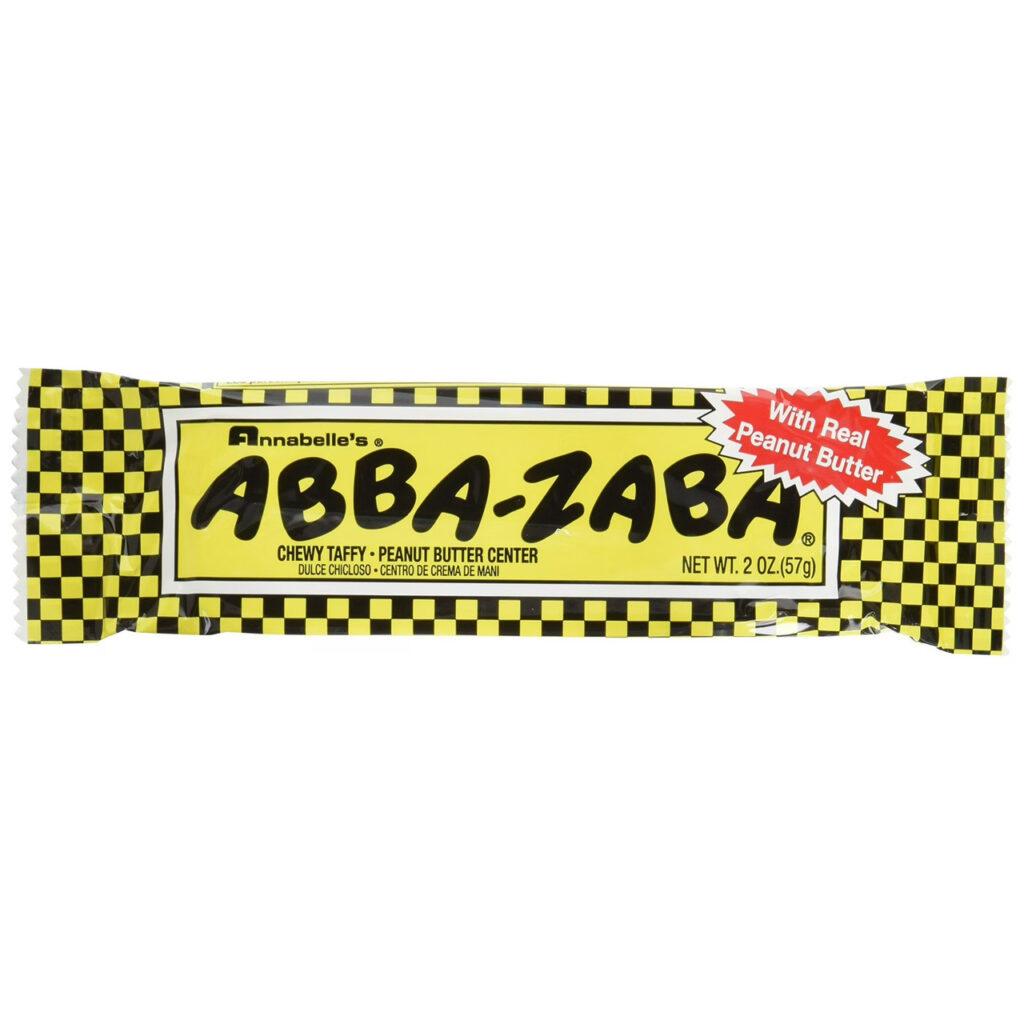
Abba Zaba earned recognition for its chewy taffy exterior wrapped around a peanut butter center, creating a texture and flavor combination unlike many mainstream candies. The bar required steady chewing, which contributed to its longevity as a nostalgic treat. However, the product’s availability diminished as consumer preferences shifted toward softer, easier-to-eat confectionery. Distribution becomes limited over time when demand concentrates in smaller regions or specialty shops. While versions of Abba Zaba have resurfaced intermittently, the older iterations remain largely unavailable, contributing to its status as a once common candy now difficult to find.
8. Marathon Bar
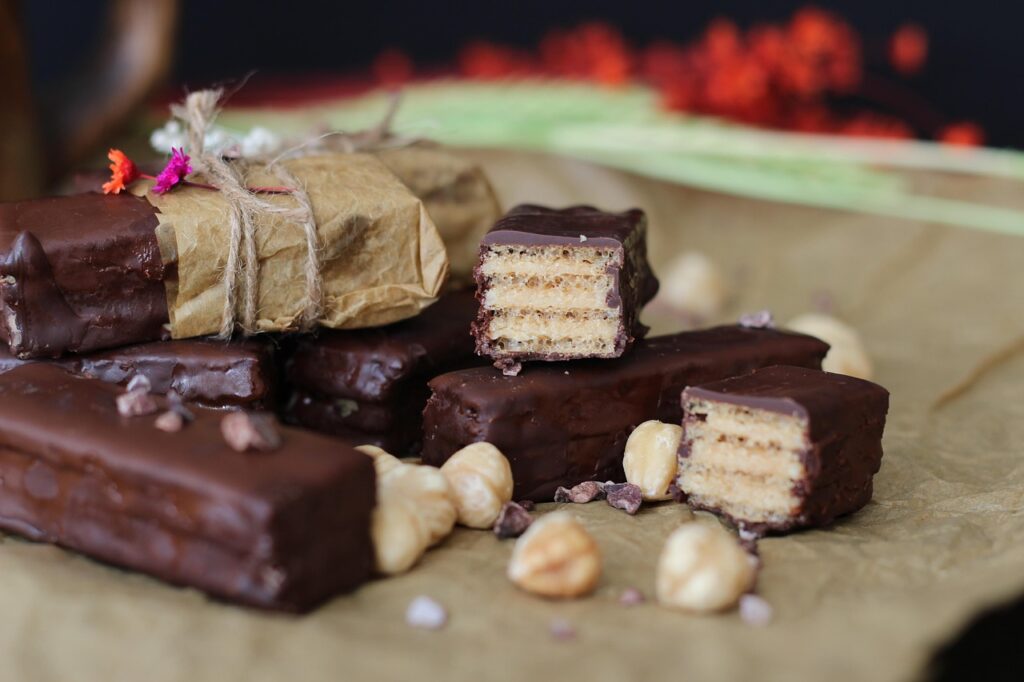
The Marathon Bar earned its place in candy history through its distinctive braided caramel design, which created a chewy texture that set it apart from traditional chocolate bars. Wrapped in a bright red package and famously advertised as “the candy bar that lasts a long time,” it delivered on that promise with a slow-melting caramel core coated in milk chocolate. Despite its popularity, the bar required more intricate manufacturing than standard molds, and production costs grew less practical as consumer demand shifted toward simpler, faster-eating treats. It remains a memorable example of how texture, branding, and format can create lasting nostalgia even after a product fades from circulation.
9. Chiclets
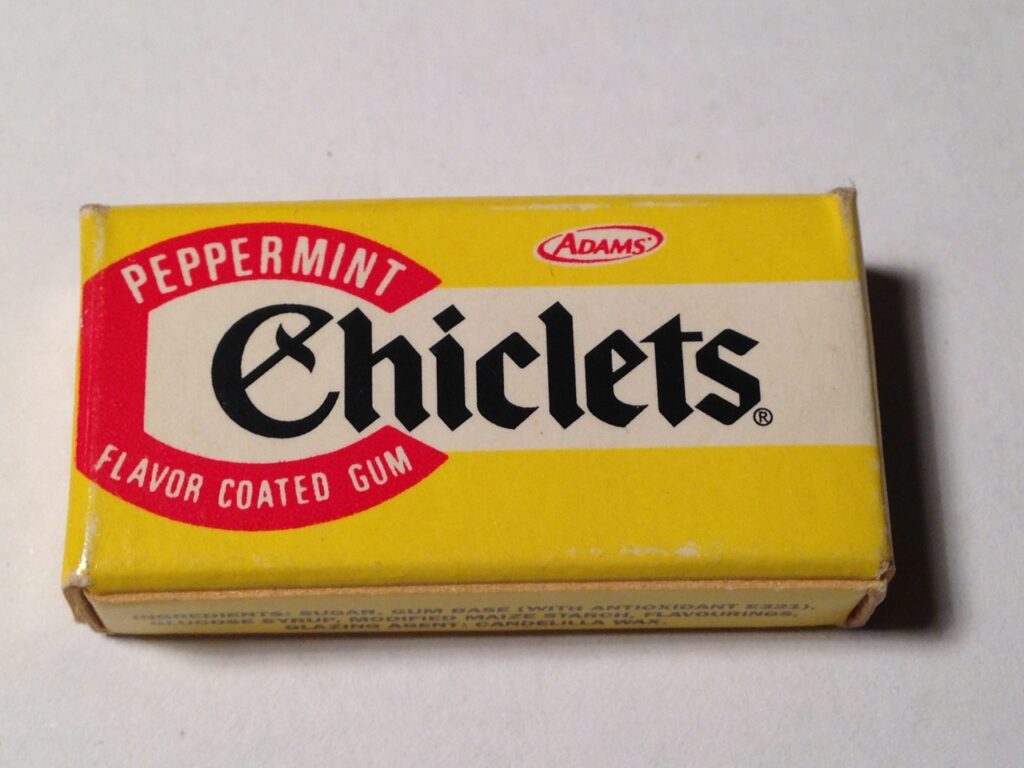
Chiclets were once popular for their bright colors and candy-coated shells surrounding small, rectangular pieces of chewing gum. Their crisp outer layer offered a satisfying initial crunch that distinguished them from softer gum varieties. Over time, competition increased, and newer gum technologies focused on longer-lasting flavor and enhanced texture, causing Chiclets to fall behind. Market consolidation and brand restructuring further contributed to their reduced availability. Although variations exist in some regions, the original widely distributed Chiclets have largely disappeared.
10. Chicken Dinner Candy Bar
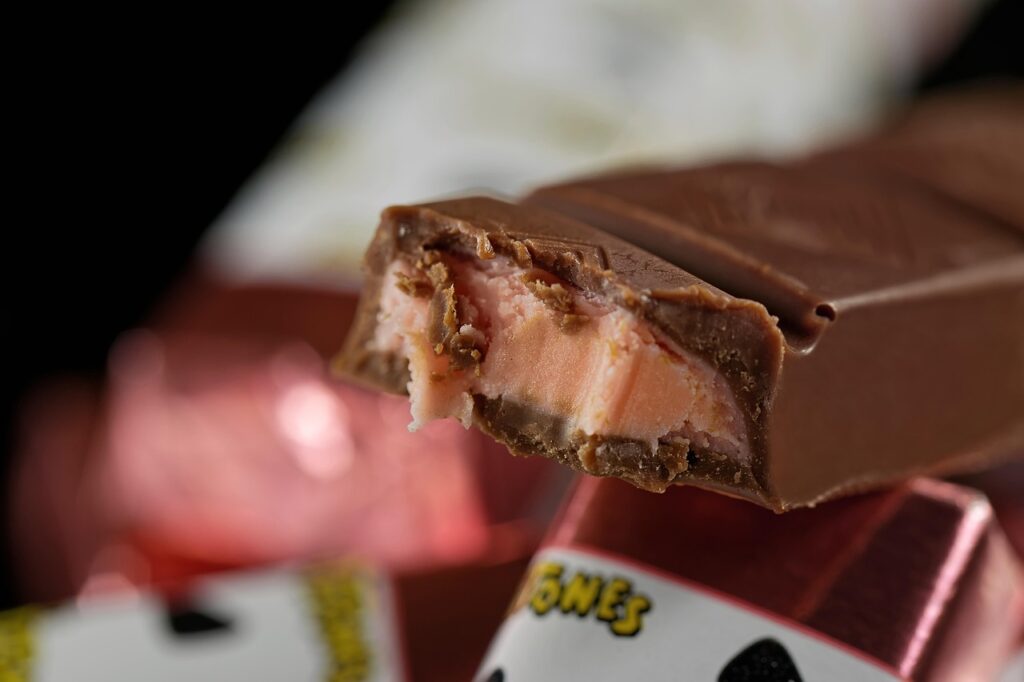
The Chicken Dinner candy bar had little to do with poultry but gained attention because of its unusual name and its reputation as one of the early mass-marketed candy bars. Made with a blend of nuts and chocolate, it offered a dense, energy-rich treat popular during the early twentieth century. As tastes evolved and competition increased, the bar’s novelty waned, and its formulation no longer matched modern preferences. Manufacturing priorities shifted, leading to the bar’s eventual disappearance.
11. Bit O Licorice
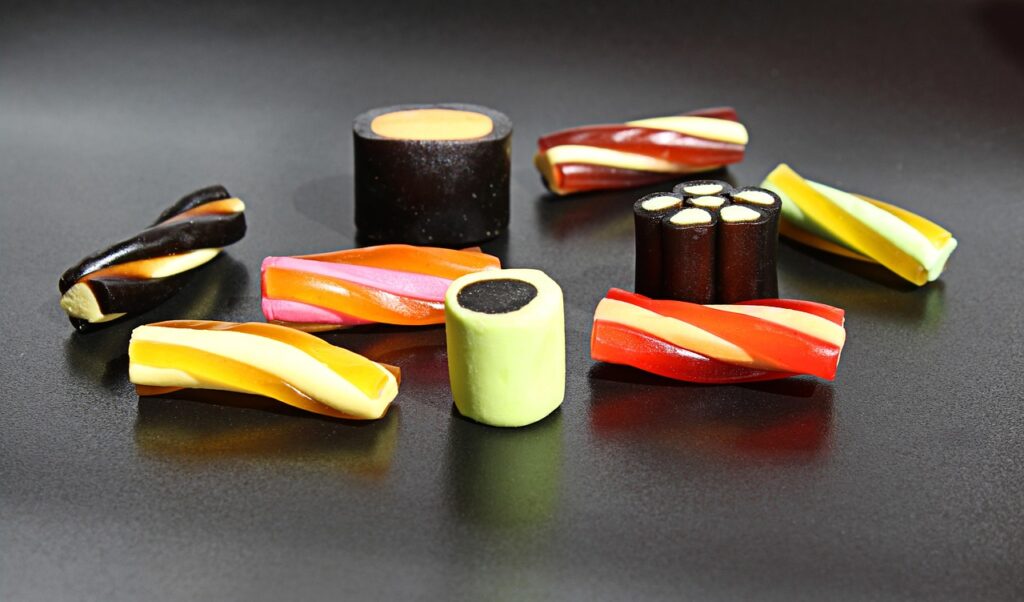
Bit O Licorice catered to fans of strong licorice flavor and chewy texture, offering a concentrated experience that appealed to a specific segment of candy consumers. The candy’s dense chewiness required time and attention, making it distinct from softer confectionery. Over time, however, broader consumer preferences moved away from firm licorice products, reducing its market viability. As demand declined, manufacturers phased out production, and the candy became increasingly difficult to find. Its absence exemplifies how specialized flavor profiles can fall out of favor even when they hold lasting appeal among dedicated fans.
12. Blackjack Taffy
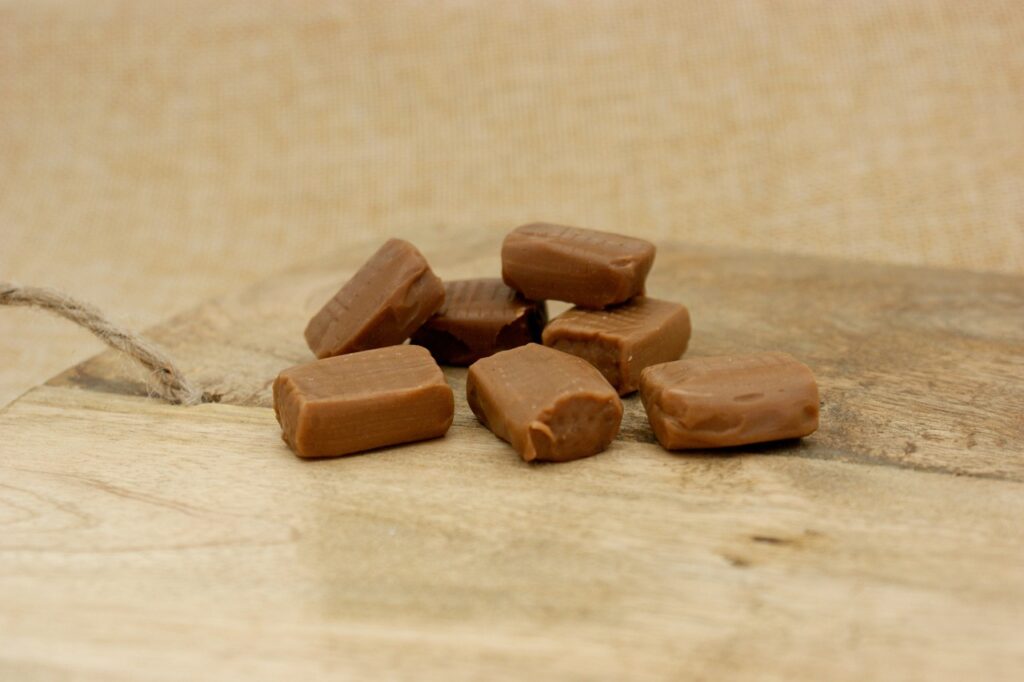
Blackjack Taffy was known for its bold anise flavor, which set it apart from more mainstream taffies and chewy candies. Its dark color and distinctive taste made it recognizable, but also limited its audience. As market trends shifted toward fruit-based and milder candy options, the product lost shelf presence. The texture, while nostalgic for some, was considered overly firm by modern standards, which further contributed to its decline. Blackjack Taffy remains a notable part of candy history because it illustrates how certain traditional flavors struggle to keep pace with contemporary trends while maintaining their unique identity.
13. Brach’s Butterscotch Disks

Brach’s Butterscotch Disks were once a staple in candy dishes, valued for their smooth texture and rich, buttery sweetness. Their simple composition made them easy to enjoy, and they were widely associated with nostalgic family gatherings. Over time, demand for hard candies decreased, and manufacturers shifted focus toward products with broader appeal or seasonal flexibility. Shelf space in retail stores grew more competitive, pushing out items that did not generate strong sales. Although butterscotch flavors persist in other forms, the classic disks are increasingly rare. Their decline underscores how changing consumer habits can influence even the most familiar confections.
14. Fun Dip (Original Versions)
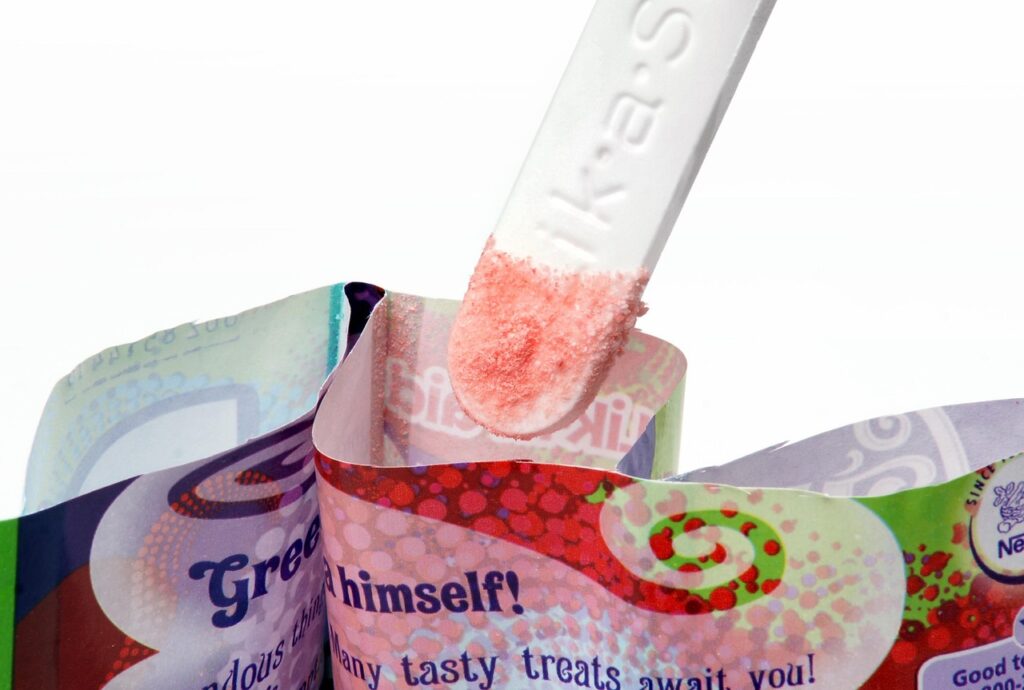
The original versions of Fun Dip offered a combination of flavored powders and edible dipping sticks that created a uniquely interactive candy experience. Over the years, formula changes and the removal of certain flavors altered the product’s appeal, leading to a gradual decline of the versions people remembered most. While Fun Dip still exists, many of the earlier flavor sets and packaging styles have disappeared. This shift reflects broader trends in the candy industry, where nostalgia competes with updated formulations and evolving regulations. The earlier versions remain memorable because they emphasized playful engagement alongside distinct flavors.
15. Bonkers!

Bonkers! became a standout candy of the 1980s and early 1990s because it offered a distinctive two-layer structure that combined a chewy outer shell with a softer, flavored center. This design allowed each bite to deliver a quick burst of fruit intensity followed by a mellow sweetness, creating a sensory contrast that made the candy feel more dynamic than many of its competitors. The comedic advertising campaigns, often featuring exaggerated reactions to the candy’s bold flavors, helped cement Bonkers! in pop culture for a time. Occasional revival attempts never regained the momentum of the original version, leaving Bonkers! as a fondly remembered relic of a specific moment in candy history.