
10 Restaurant Etiquette Rules That Have Changed Over Time

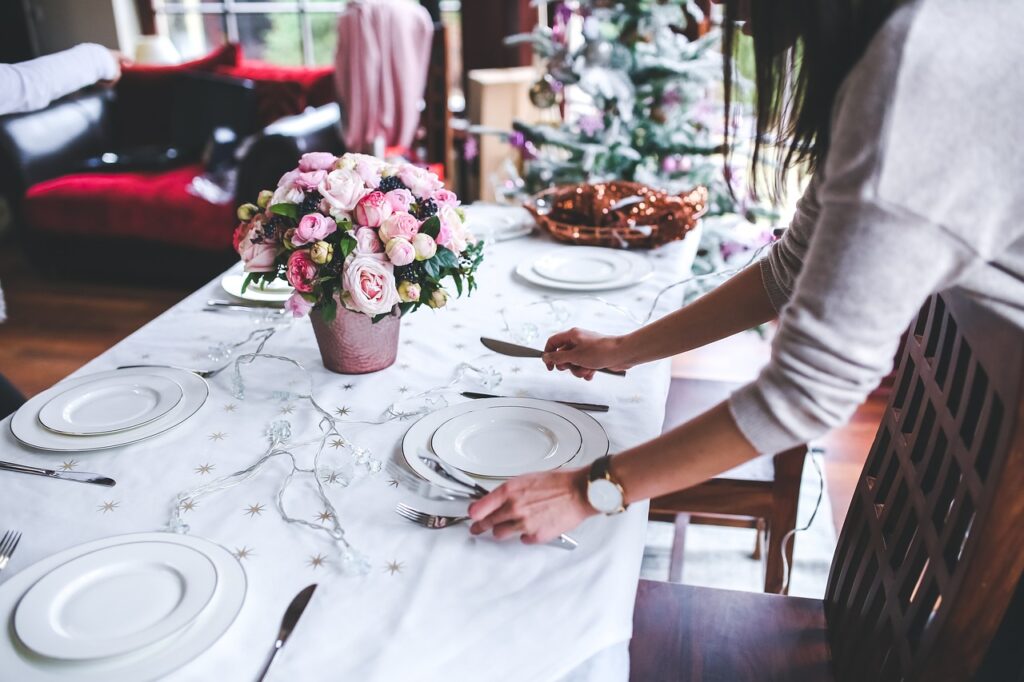
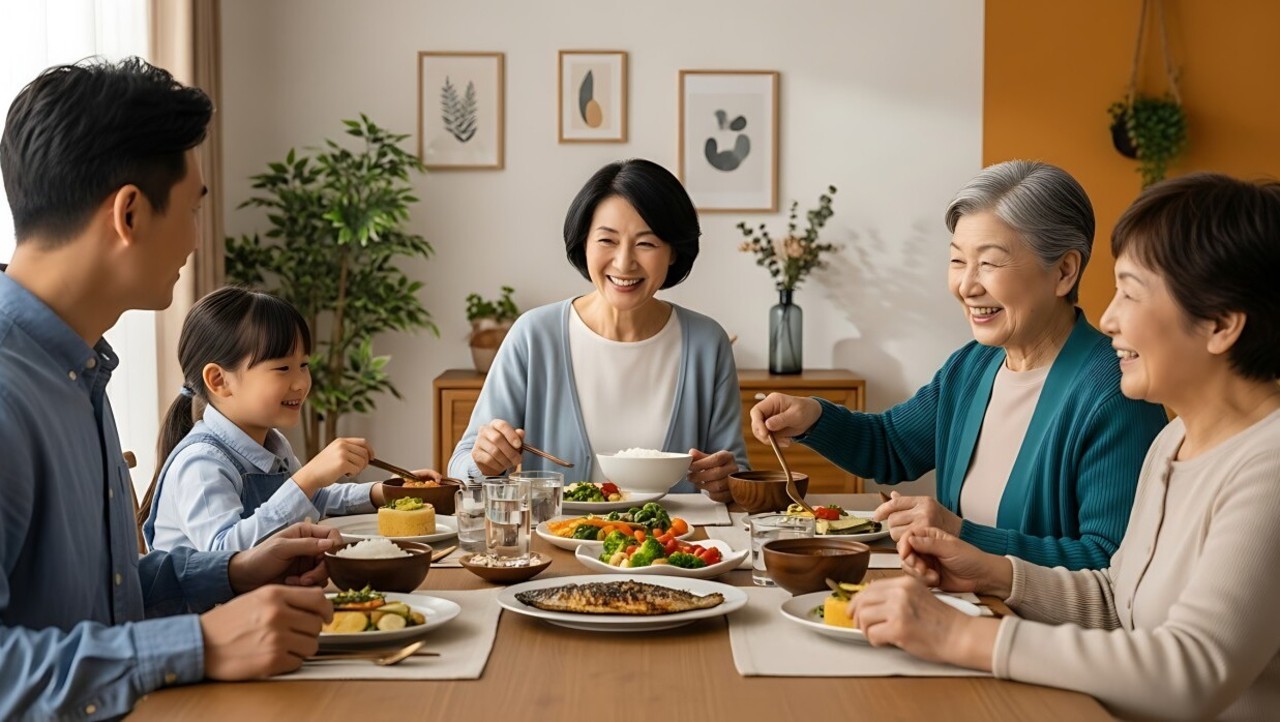
Restaurant etiquette has undergone a quiet transformation as modern dining habits replaced many of the strict rules that once defined proper behavior. What used to be viewed as mandatory formality has become more flexible, shaped by busy lifestyles, diverse restaurant formats, and shifting cultural expectations. Today’s diners value comfort, practicality, and genuine connection over polished performance. These updated norms reflect a dining culture that prioritizes ease, inclusivity, and an enjoyable shared experience.
1. Phones at the Table Are No Longer Automatically Considered Rude

The expectation that phones be completely hidden during a meal has shifted as digital habits have become part of everyday life. While constant texting or loud calls are still discouraged, many diners now feel comfortable keeping their phones within reach to snap a quick photo, check a message, or share a moment online. This change reflects a broader cultural acceptance of technology in social settings rather than a decline in manners. The unspoken rule has become one of balance. As long as phone use does not interrupt conversation or disturb others, it is typically viewed as acceptable, particularly in casual and modern dining environments.
2. Approaching Your Seat from a Specific Side No Longer Matters
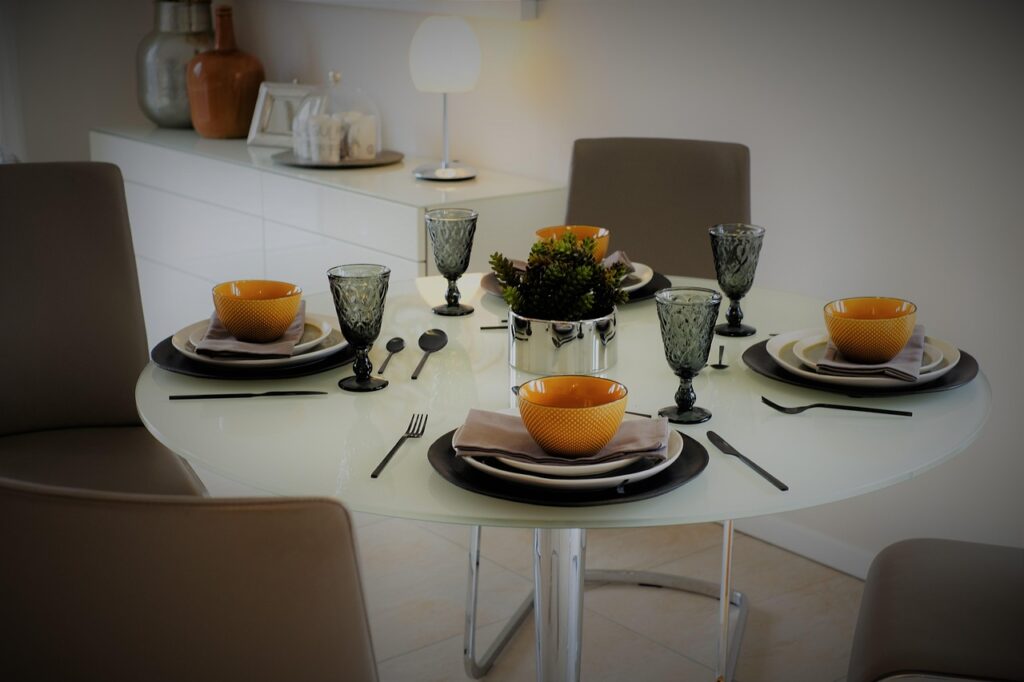
Formal etiquette once dictated that diners approach their seat from the left and rise from the right to avoid interfering with servers or nearby guests. Today, this level of structure feels unnecessary in most restaurants where seating is far less ceremonial. Diners simply take the easiest path to their chair, and staff accommodate naturally. The shift reflects how modern dining favors flow and comfort over older practices rooted in formal banquet service. With smaller tables, flexible layouts, and a mix of casual establishments, rigid seating patterns are no longer practical. The focus now rests on awareness rather than strict positioning.
3. Hanging Bags on Chairs Has Become Common and Accepted
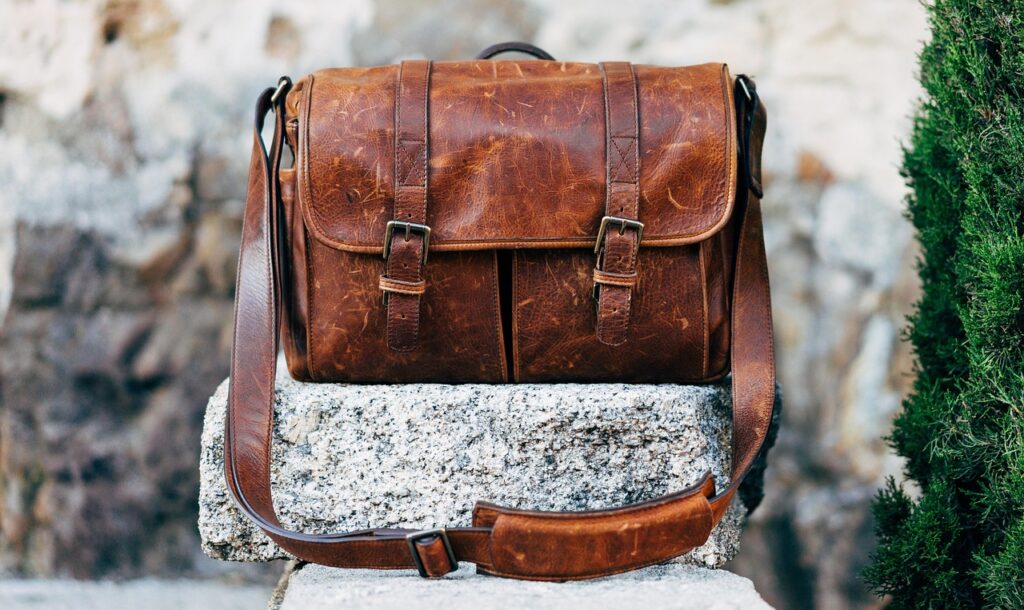
The old rule discouraging guests from placing bags on the backs of chairs has softened as storage needs and dining spaces have evolved. Many restaurants lack designated bag stands, bag hangers, or under-table hooks, leading diners to choose options that keep belongings safe and accessible. Lightweight bags often hang on chair backs without causing disruption, and many establishments now provide small hooks or encourage practical solutions. This change highlights a shift toward functional etiquette, where the priority is comfort and convenience rather than maintaining a polished but impractical rule.
4. Ordering Before the Full Group Arrives Is No Longer Poor Form
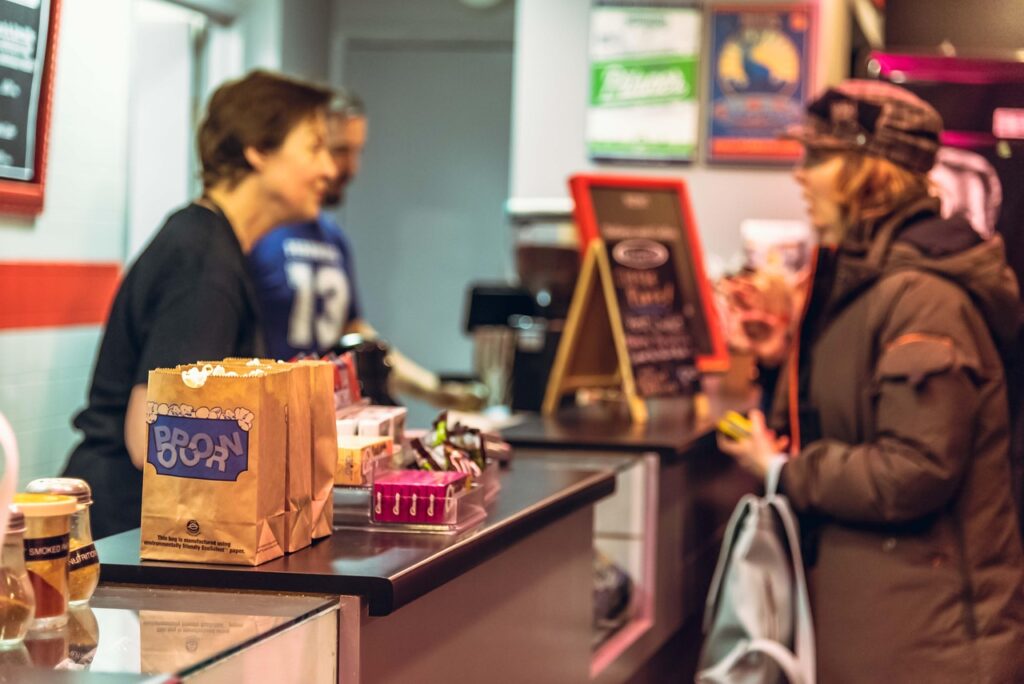
It was once considered impolite to place an order before all guests had arrived, as meals were viewed as experiences to begin simultaneously. Today, busy schedules and varied arrival times make this tradition harder to maintain. Many restaurants encourage early ordering, especially for drinks or small starters, to keep service efficient. Diners appreciate being able to settle in while waiting, and servers can better manage timing for the entire table. The shift reflects a more flexible understanding of hospitality, where accommodating the needs of present guests does not detract from those still on the way.
5. Utensil Rules Have Relaxed in Most Dining Settings
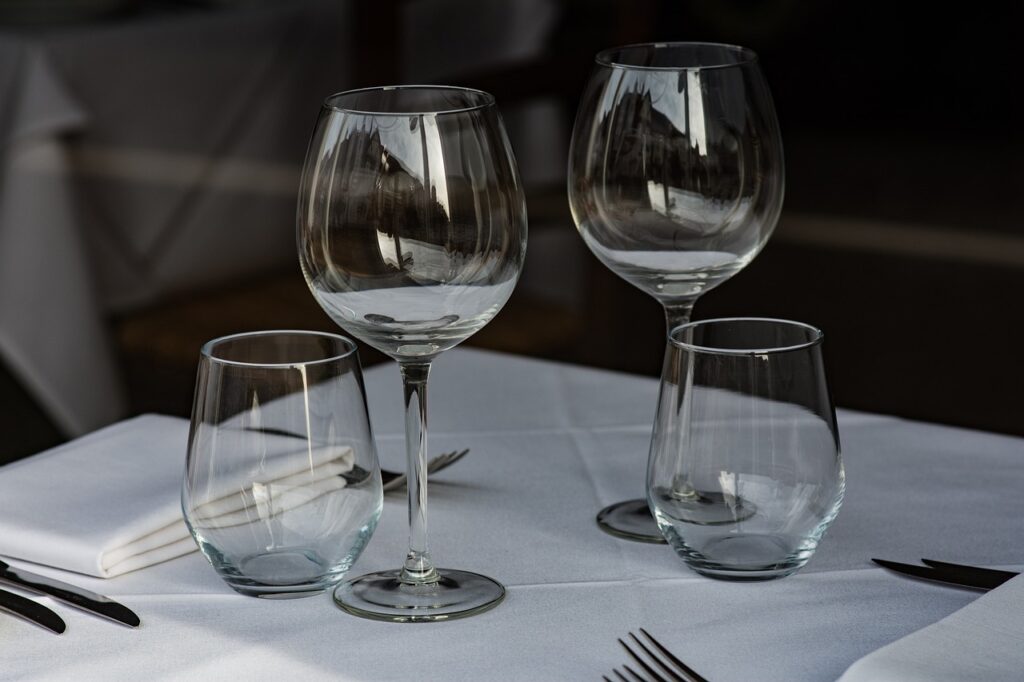
The classic outside-in utensil rule still exists, but is no longer enforced as strictly as it once was. With more casual restaurants, shared plates, and simplified menus, diners often use the utensils that make the most sense for the dish in front of them. Modern dining places the emphasis on enjoyment rather than precise choreography. Even if there is an intention to upscale settings, servers guide guests or bring utensils course by course, reducing the need for memorized rules. The trend reflects dining culture’s broader shift toward accessibility, where expertise is not required to feel comfortable at the table.
6. Resting Elbows on the Table Is Acceptable Between Bites
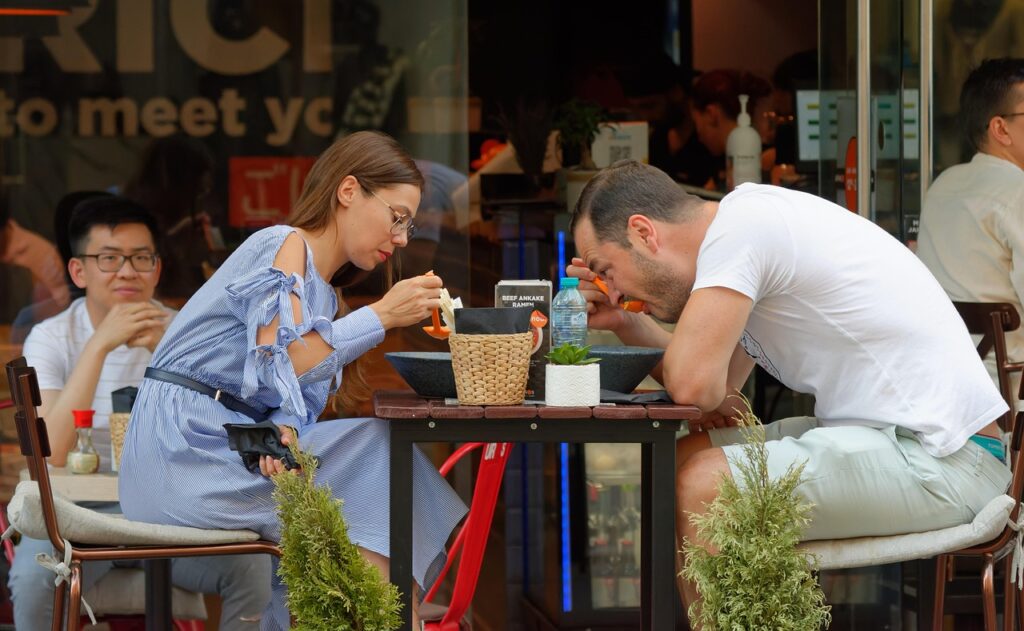
The idea that elbows must never touch the table has grown outdated as social norms around body language have softened. While leaning heavily over a shared meal can still be viewed as intrusive, resting elbows during conversation or between courses is widely accepted. This change arose naturally as dining moved away from rigid formality and toward relaxed social connection. People engage more openly at the table, and posture often reflects comfort rather than impropriety. The modern guideline is simple. Avoid blocking others or crowding shared space, and elbow placement becomes a non-issue as times change.
7. Napkin Rules Have Shifted Toward Practical Use
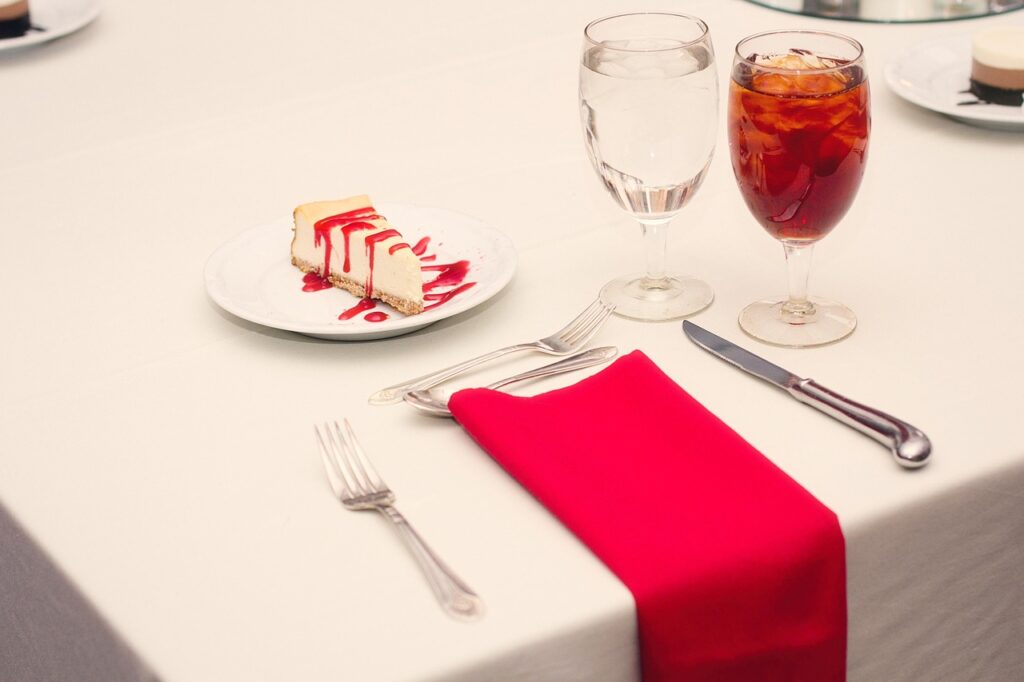
Traditional etiquette imposed strict napkin rules, including how to unfold it, when to place it in the lap, and how it could be used. Modern diners apply these guidelines more loosely, using napkins to wipe hands or discreetly dab the face as needed. The goal is cleanliness rather than ceremony. While using a napkin as a tissue is still discouraged, guests no longer feel pressured to follow rigid folding techniques or placement sequences. This relaxation aligns with the broader trend of prioritizing comfort and natural behavior over formality, especially in casual and contemporary restaurants.
8. Choosing Messy Foods Is No Longer Discouraged
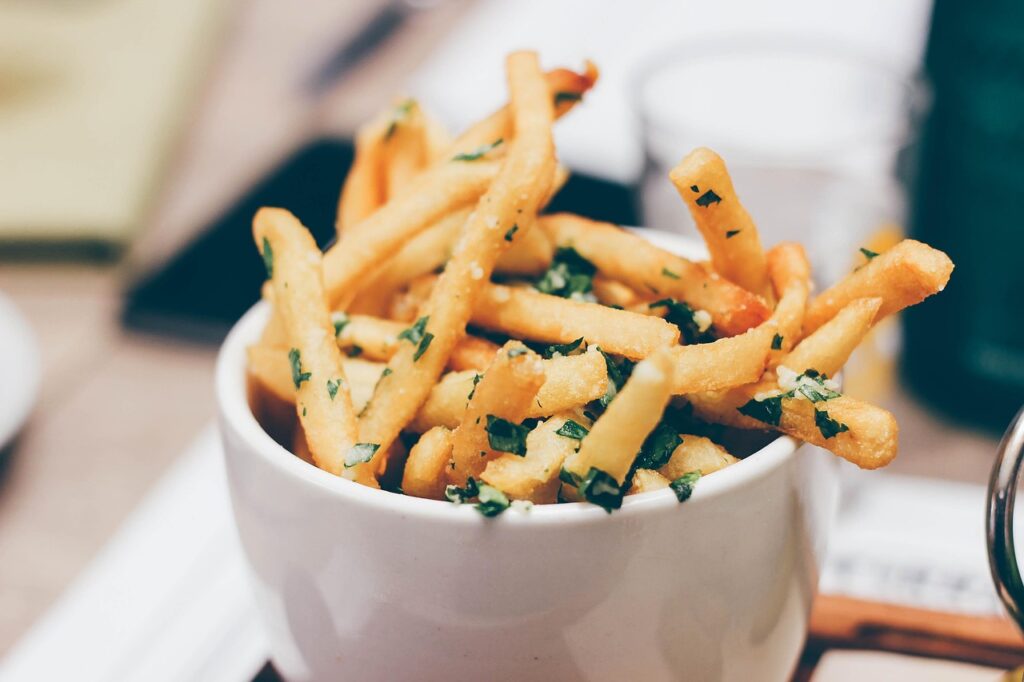
Older etiquette advised diners to avoid messy dishes such as noodles, ribs, or items with rich sauces to maintain composure. Today, restaurants celebrate bold, flavorful, and sometimes messy foods, and diners embrace them without hesitation. Tools like share-friendly plates, deep bowls, and wet wipes have normalized eating dishes that require a bit more effort. Enjoyment of the meal is considered more important than maintaining pristine appearances. This shift shows how dining has evolved over the years from a performance of polished manners to an experience centered on flavor, fun, and authenticity.
9. Standing to Greet Someone Is Now Based on Courtesy, Not Gender
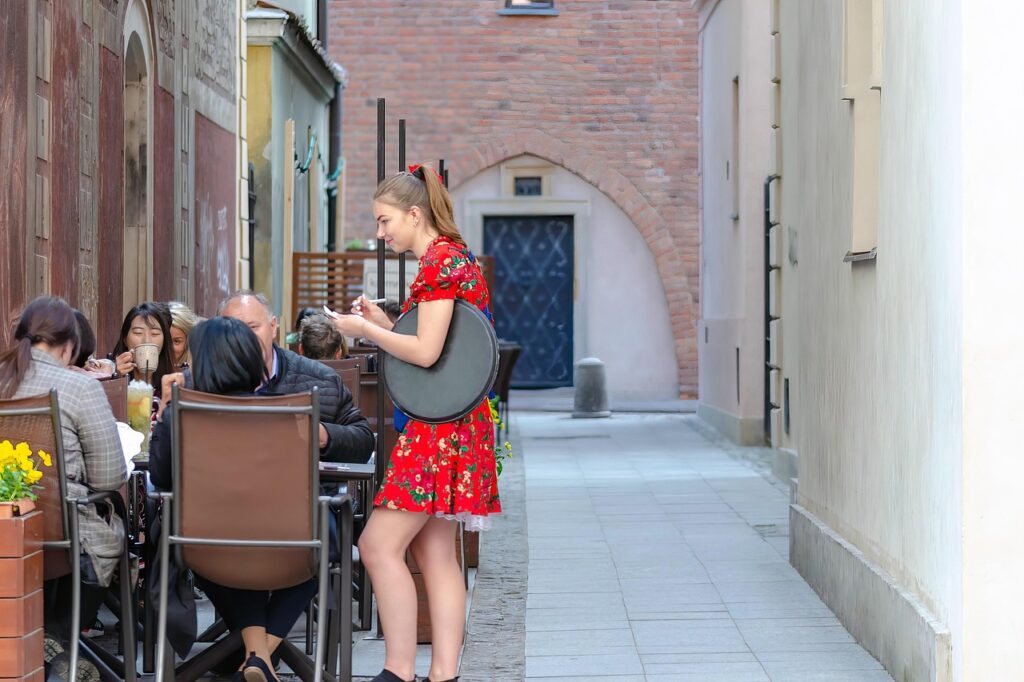
Standing when a woman arrived at the table was once a widely accepted expectation rooted in outdated gender norms. Modern etiquette prioritizes inclusivity, making the gesture optional and applicable to anyone if used at all. Today, people stand to greet guests out of warmth, love, and respect rather than obligation. The change reflects evolving social values where gestures of politeness are defined by situational appropriateness rather than tradition. As a result, the dining environment feels more equitable, inclusive, and relaxed, reducing pressure on diners to follow gender specific customs.
10. Conversation and Light Activity During Meals Are More Accepted
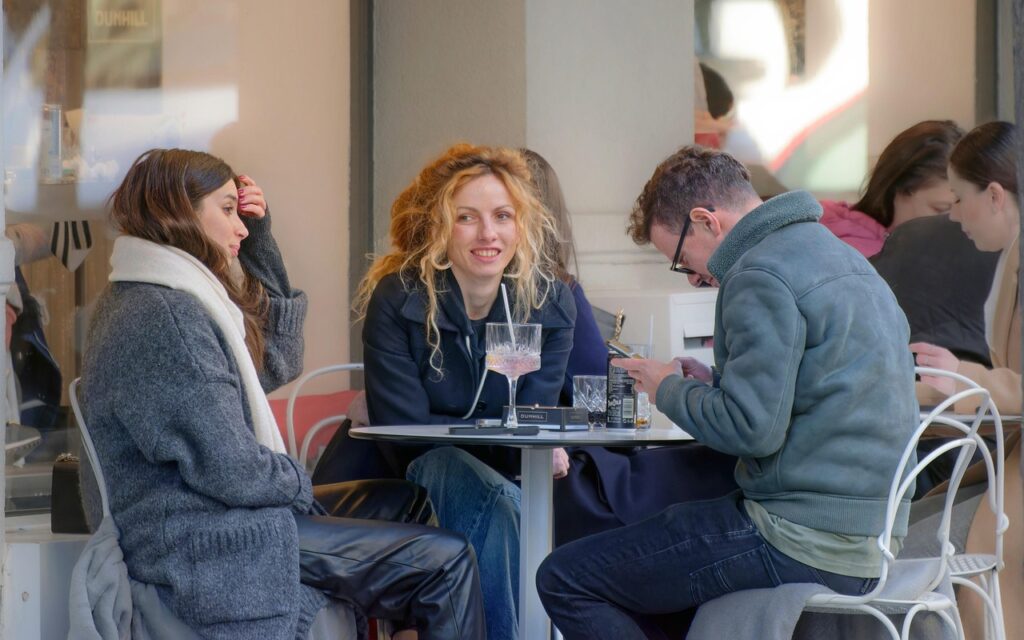
Strict rules once discouraged talking with utensils in hand or engaging in any activity that might disrupt the meal’s “proper” flow. Today, dining is recognized as a social experience where conversation naturally overlaps with eating. People talk between bites, share photos, or check brief messages without significant judgment, provided they remain considerate of those around them. The expectation has shifted from silent formality to respectful engagement. This evolution reflects a broader cultural movement toward authenticity and human connection, embracing the idea that meals are meant to be enjoyed, not performed.