10 Regional Sandwiches That Show Off Local Traditions
Regional sandwiches tell the story of America in a way few dishes can, blending immigrant traditions, local ingredients, and community pride into handheld comfort. From seafood shaped by coastal living to recipes carried through generations of family kitchens, each sandwich reflects the place that made it. These regional favorites endure not because they are trendy, but because they capture the everyday flavors people grew up with. Exploring them reveals how food can connect unfamiliar places through simple, memorable bites.
1. Philly Cheesesteak
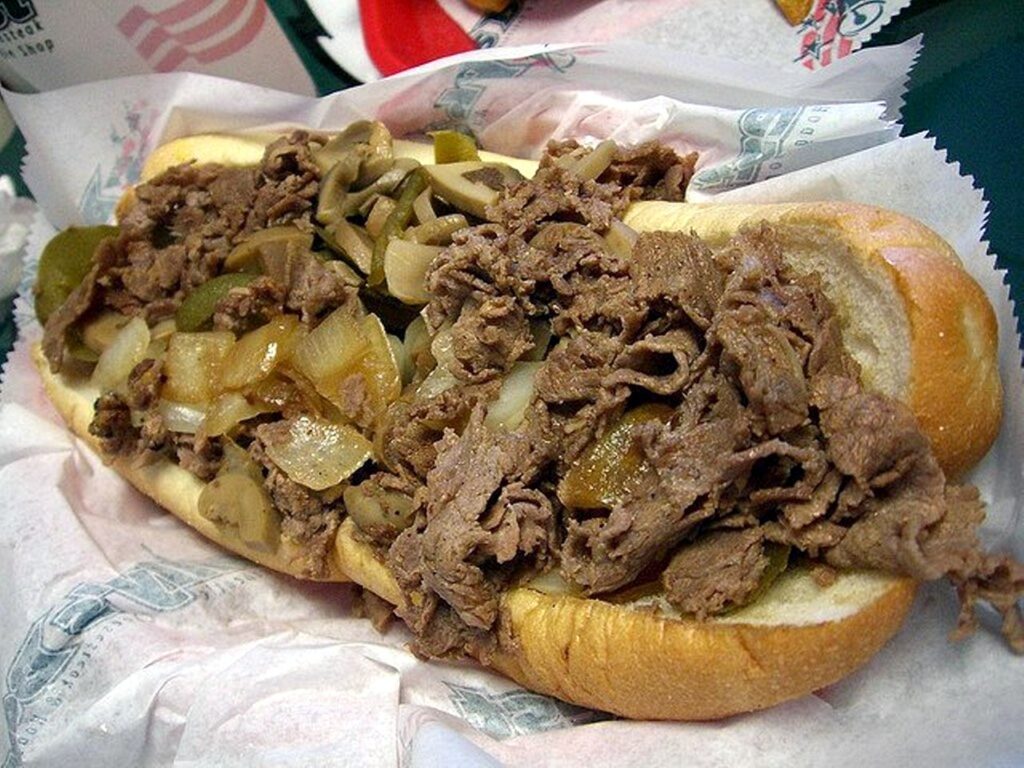
Few sandwiches capture the spirit of a city as clearly as the Philly cheesesteak. Its appeal lies in the balance of thinly sliced beef cooked on a hot griddle, the gentle sweetness of sautéed onions, and the molten layer of cheese that ties everything together inside a soft hoagie roll. What makes it a true local icon is not only its flavor but its identity as a working-class meal created for speed, satisfaction, and affordability. Philadelphia residents treat the cheesesteak as both comfort food and cultural symbol, proving that a simple combination of good bread, quality meat, and practiced technique can define an entire region’s culinary personality.
2. Cuban Sandwich
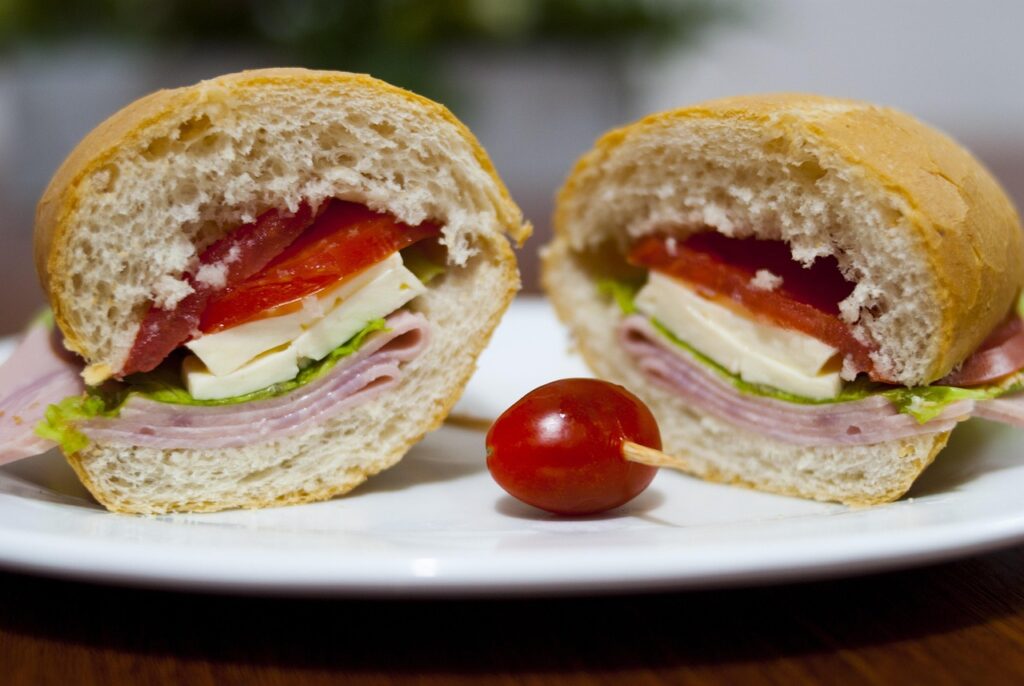
The Cuban sandwich represents the long-standing influence of Cuban communities in Florida, especially in Miami and Tampa, where this pressed creation became part of daily life. Built with roast pork, ham, Swiss cheese, pickles, and mustard on distinctively crisp Cuban bread, it offers layers of flavor that reflect cultural heritage as much as culinary preference. Its signature crunch comes from heavy pressing, which melds everything into a compact, deeply satisfying bite. The sandwich endures because it embodies the immigrant story of adaptation and preservation, turning accessible ingredients into a beloved regional emblem.
3. Po’boy
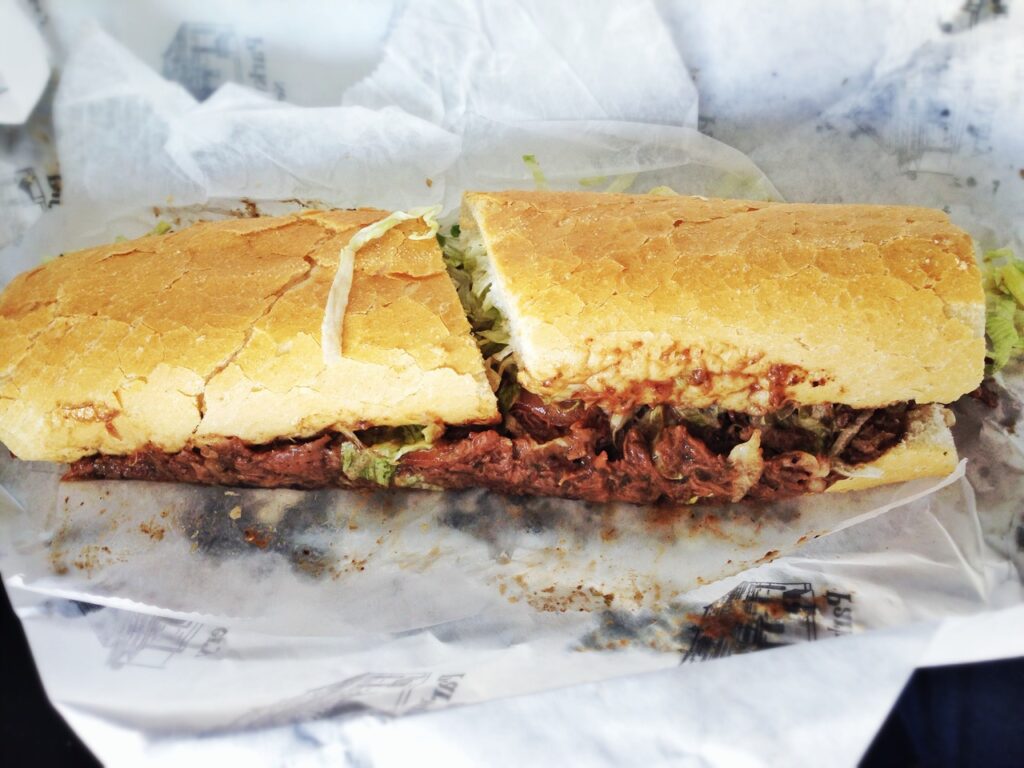
The po’boy remains one of New Orleans’ most recognizable foods, shaped by the city’s Creole roots and its appreciation for hearty meals that blend French, Southern, and seafood traditions. Whether filled with fried shrimp, oysters, or slow-cooked roast beef, the po’boy is defined by its airy, crackly French bread that holds generous fillings without becoming soggy. Its origin story, tied to feeding striking streetcar workers, adds a layer of cultural pride. Over time, it grew from humble fare into a defining symbol of New Orleans hospitality, valued for its bold flavors and straightforward comfort.
4. Beef on Weck

A specialty of Western New York, the beef on weck highlights how regional breads and immigrant communities can shape unique culinary traditions. The kummelweck roll, topped with coarse salt and caraway seeds, gives the sandwich its distinct identity. Inside, thin slices of rare roast beef are finished with a swipe of sharp horseradish and dipped lightly in au jus, creating a satisfying contrast of textures and flavors. The sandwich reflects German heritage and the local appreciation for hearty, straightforward meals. Its continued popularity speaks to the power of a thoughtfully crafted regional staple.
5. Pork Tenderloin Sandwich

Across the Midwest, the pork tenderloin sandwich stands as a symbol of small-town diners and roadside restaurants that emphasize simple, filling comfort foods. The oversized, breaded, and fried pork cutlet often extends far beyond the edges of the bun, creating an iconic and slightly playful presentation. Its roots lie in the region’s agricultural landscape, where pork has long been central to everyday cooking. What keeps this sandwich beloved is its straightforwardness, affordability, and the nostalgic memories it evokes for generations who grew up eating it at festivals, diners, and family gatherings.
6. Hot Brown
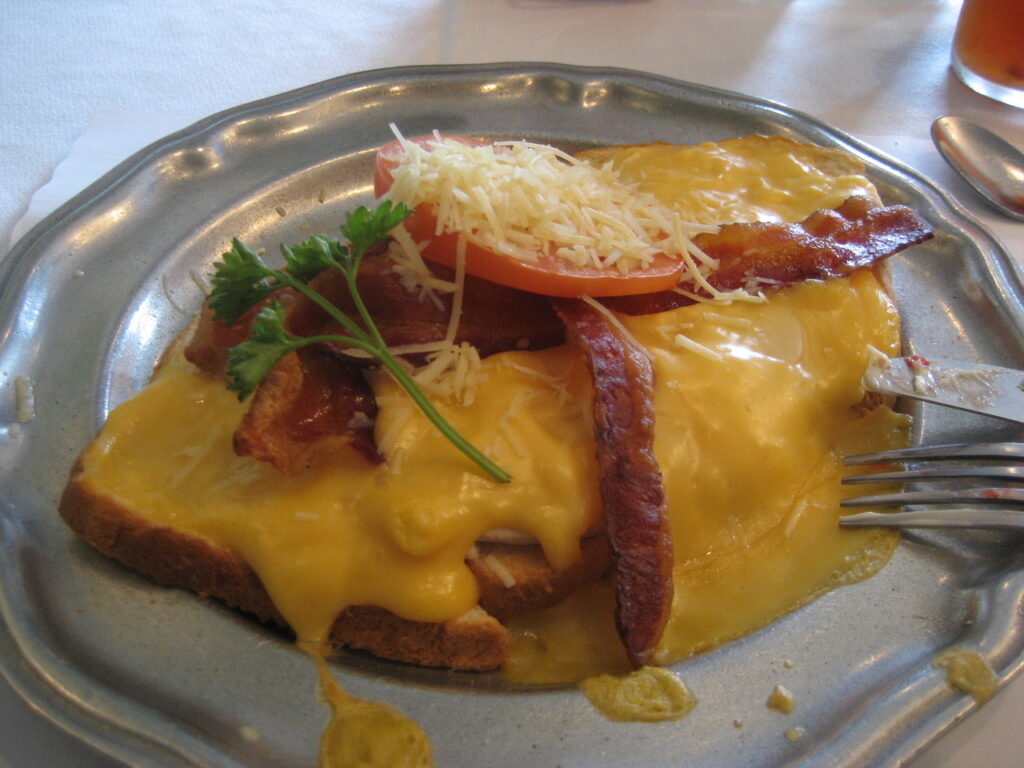
Kentucky’s Hot Brown is a testament to how a single hotel can shape local food culture. Created at the Brown Hotel in Louisville as a late-night indulgence for ballroom guests, this open-faced sandwich combines turkey, bacon, and a rich Mornay sauce broiled until golden. The result is decadent without being complicated, blending Southern comfort with European technique. Its fame persists because it feels celebratory while remaining familiar, offering a warm, satisfying meal that embodies Kentucky hospitality. Today, Hot Brown represents both historical charm and culinary pride across the region.
7. Gerber Sandwich
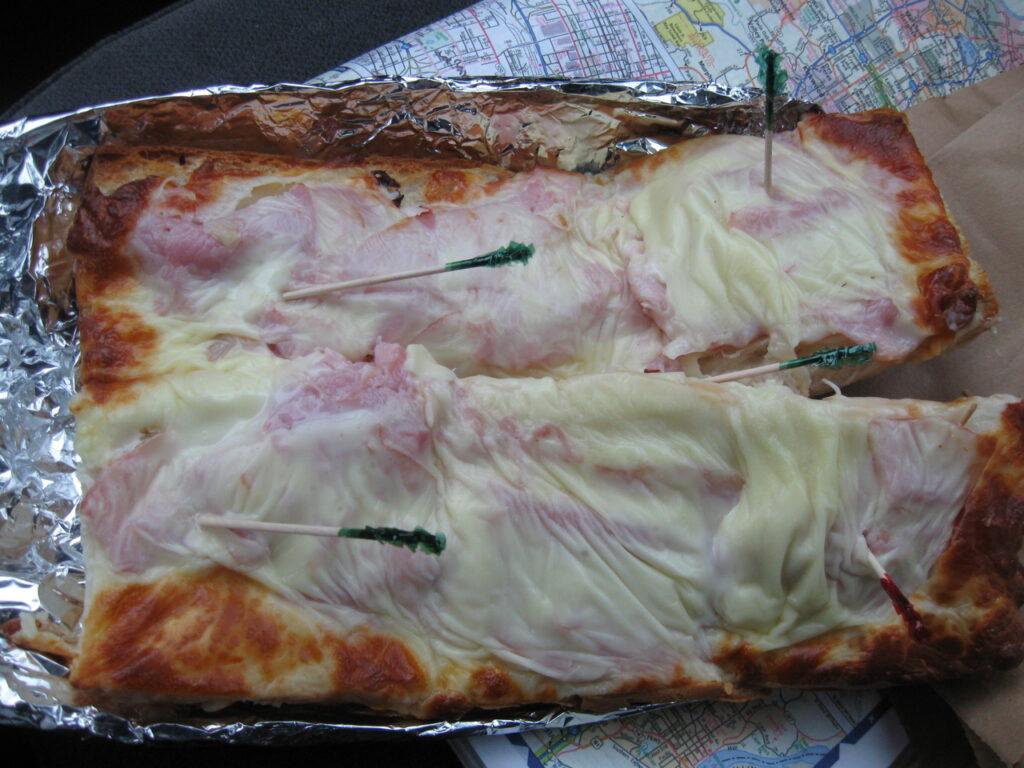
The Gerber sandwich from St. Louis shows how a simple idea can evolve into a lasting regional favorite. It begins with Italian bread coated generously in garlic butter, then layered with slices of ham and topped with Provel or provolone cheese before being toasted until the edges crisp and the topping melts smoothly. The appeal comes from the harmony of these familiar St. Louis ingredients, especially the creamy, uniquely local character of Provel. The sandwich reflects the city’s appreciation for uncomplicated, flavor driven comfort food that can be prepared quickly yet still delivers a memorable, satisfying bite rooted in local tradition.
8. Walleye Sandwich
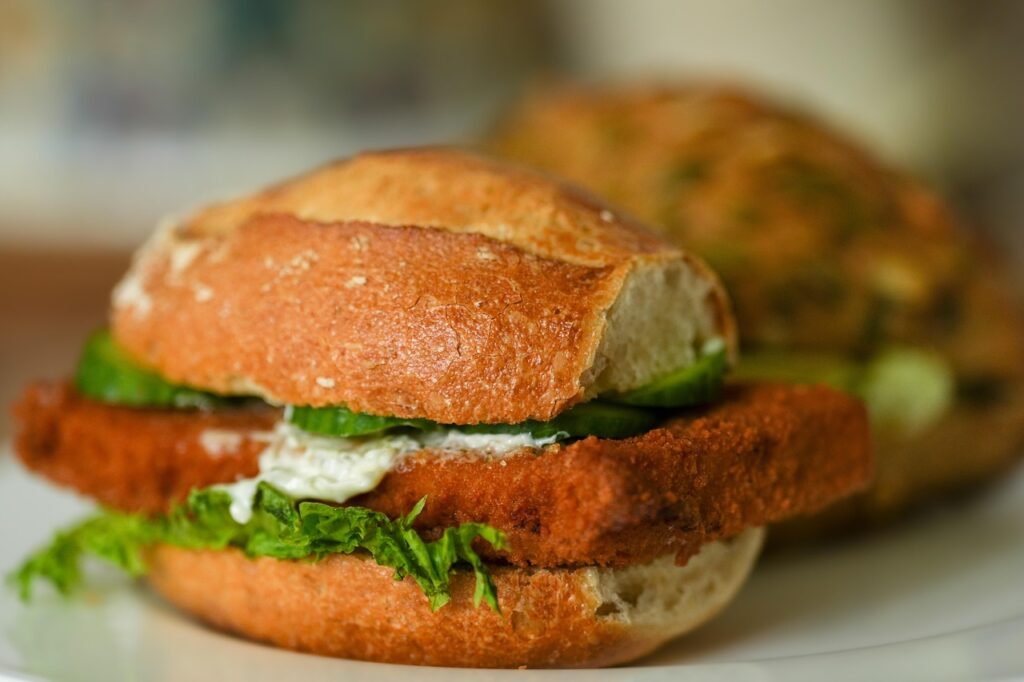
In the northern Midwest, the walleye sandwich reflects the fishing culture that defines life around the Great Lakes and Minnesota’s inland waters. Fresh walleye fillets are lightly breaded or simply pan-fried, allowing the mild flavor of the fish to stand out. Served on a soft bun with basic toppings like lettuce, tartar sauce, or lemon, the sandwich showcases the region’s preference for simplicity rooted in local abundance. Its presence on menus across lakeside towns and seasonal fish fries speaks to longstanding traditions of community, sustainability, and the enjoyment of fresh freshwater catch.
9. Pepper and Egg Sandwich
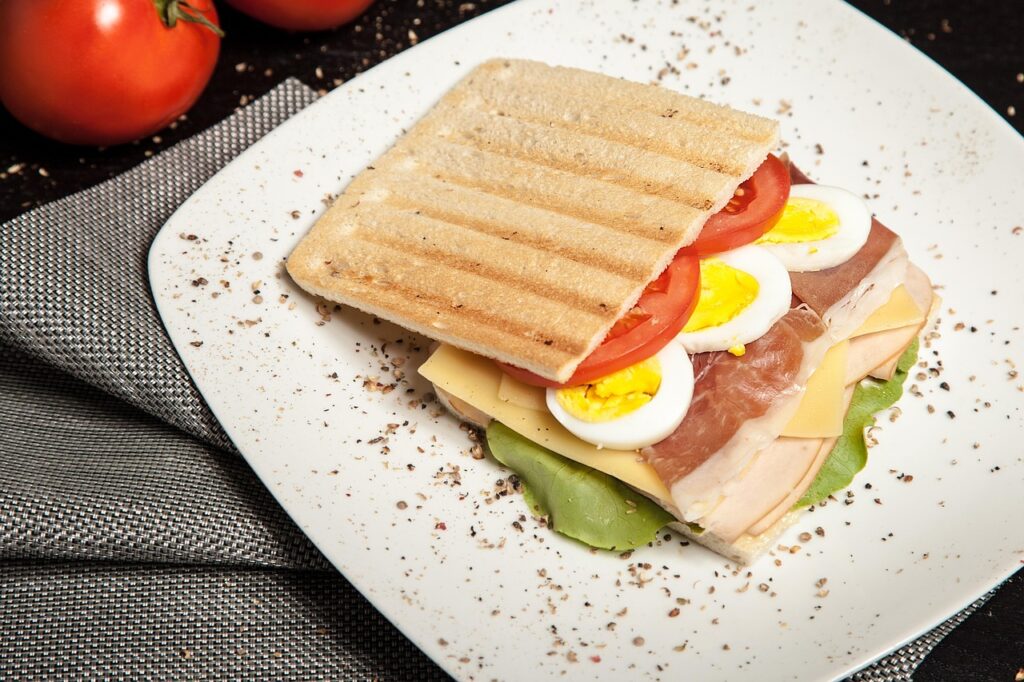
The pepper and egg sandwich reflects the heritage of Chicago’s Italian American communities, where it became a beloved meatless meal during Lent and eventually a year-round staple. Soft scrambled eggs mixed with sautéed peppers create a warm, flavorful filling that contrasts nicely with crusty French bread. Although the sandwich appears simple, it carries a strong sense of cultural identity, reminding families of traditions passed down through generations. Its steady presence in neighborhood restaurants shows how certain everyday foods endure because they offer comfort, familiarity, and a direct connection to community history. Even today, it remains an understated symbol of Chicago’s rich and varied food culture.
10. Muffuletta
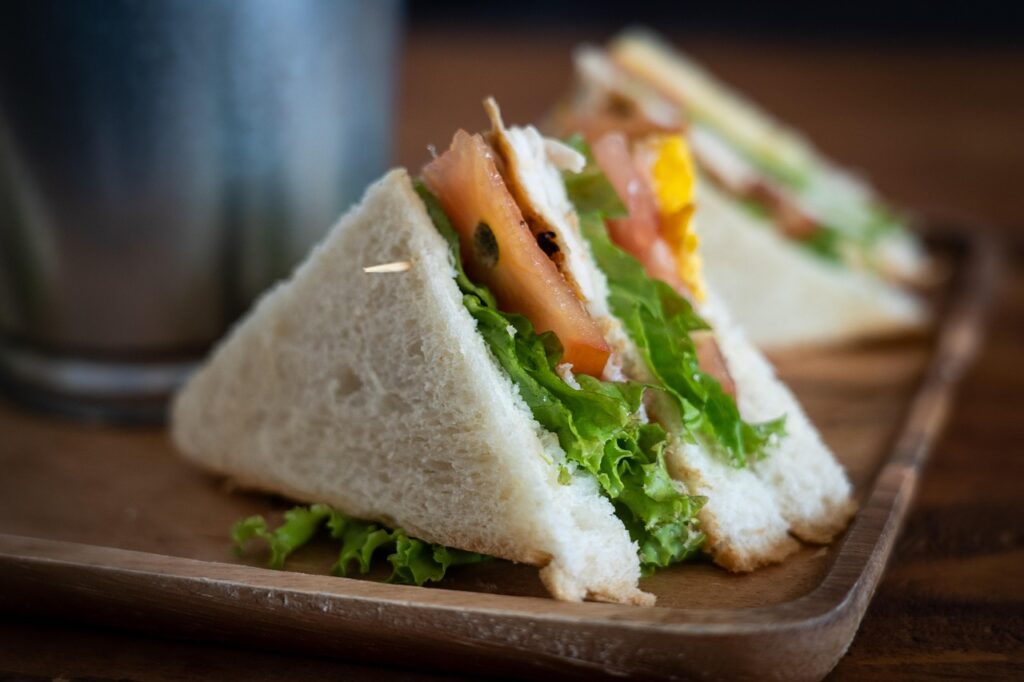
The muffuletta captures the Sicilian roots of New Orleans’ immigrant population, offering bold Mediterranean flavors shaped by Southern influence. Built on a large, round sesame loaf, it is packed with layers of salami, ham, mortadella, cheese, and a tangy olive salad that defines its personality. Traditionally eaten as a whole or in large wedges, the sandwich was designed to be portable, hearty, and long-lasting for workers. Its enduring popularity comes from the balance of salty, savory, and acidic elements that create a uniquely satisfying experience. Today, the muffuletta stands as one of the city’s most iconic foods.