Why Matcha Is So Much More Than Regular Green Tea
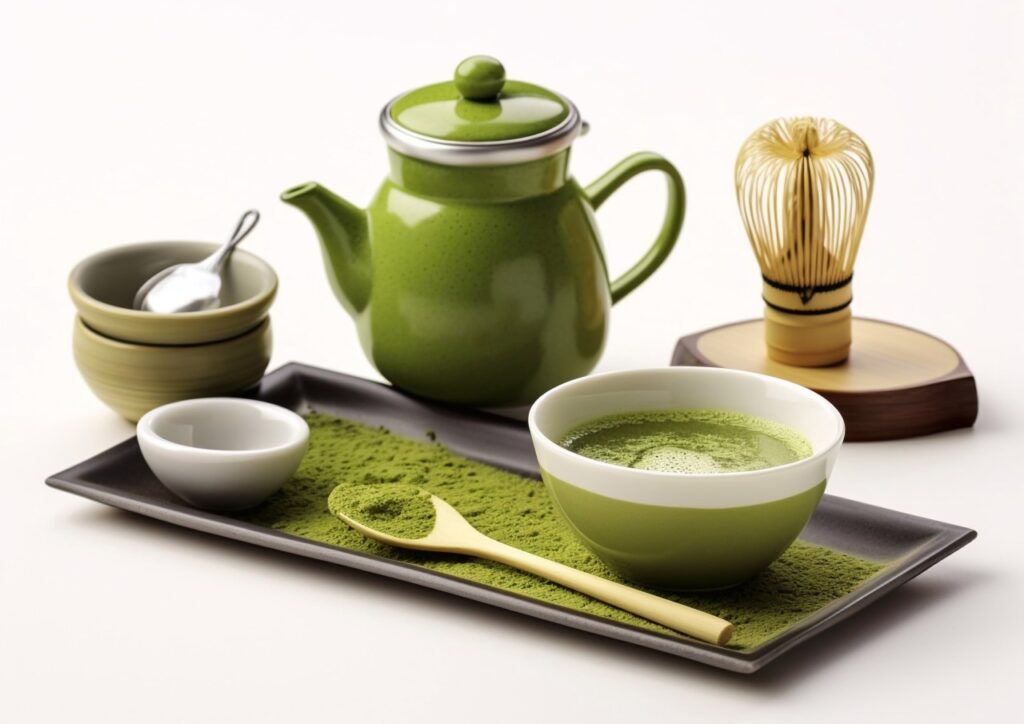
Matcha may look like a simple green powder, but behind its vivid color lies a tradition, a science, and a flavor experience far richer than regular green tea. For centuries, it has been crafted through careful cultivation, meticulous grinding, and rituals designed to highlight its calming yet energizing qualities. Today, matcha has grown beyond the tea bowl, becoming a modern staple in wellness, cuisine, and mindful living. What makes matcha truly special is how it transforms the humble tea leaf into something concentrated, potent, and deeply flavorful. It’s not just tea; it’s an entire world waiting to be enjoyed.
Why Matcha Elevates Green Tea to a Whole New Level
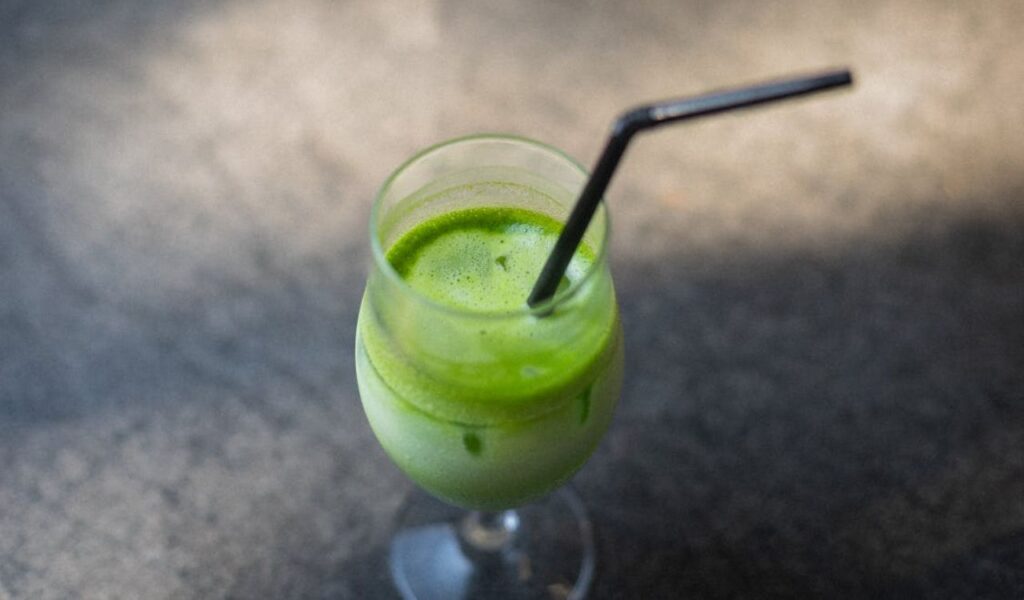
Matcha isn’t merely a variation of green tea; it’s a concentrated form of the whole leaf transformed into a vibrant powder. That single shift from steeping leaves to ingesting finely ground leaf changes everything: flavor intensity, nutrient density, and the ritual of preparation. Where a cup of steeped tea extracts some compounds into water, matcha delivers the entire leaf’s profile in one bright, frothy serving. This concentration also alters the experience. Matcha’s texture, color, and aroma arrive more directly and immediately than steeped tea, which is why it carries cultural weight and modern culinary appeal. The result is a beverage that reads as both an ancient practice and a contemporary superfood.
What is Matcha, and how does it differ from Traditional Green Tea
Matcha is stone-ground green tea leaves that have been shaded and harvested specifically for this powdered form. Unlike loose-leaf green tea, which you steep and discard, matcha is mixed into water so you ingest the whole leaf. That basic technical difference amplifies flavor and nutrition. The harvesting process and milling are also distinct. Ceremonial-grade matcha uses the youngest, most tender leaves and is milled carefully to produce an ultra-fine powder. Culinary-grade matcha uses slightly older leaves and more robust processing suited for cooking. Those production choices change taste, texture, and intended use.
How Matcha Cultivation Boosts Nutrient Content
Matcha plants are shaded from sunlight for several weeks before harvest, a technique that increases chlorophyll and sugars while slowing leaf growth. This deliberate shading elevates amino acids like L-theanine and concentrates catechins, plant antioxidants linked to health benefits. The result is a leaf richer in both flavor and bioactive compounds than typical sun-grown green tea. Because matcha uses the whole leaf, those concentrated compounds are retained in the powder rather than discarded in spent leaves. In practice, this means a matcha serving often delivers higher levels of antioxidants and other phytonutrients per cup than standard steeped green tea.
The Science of Matcha’s Health Benefits
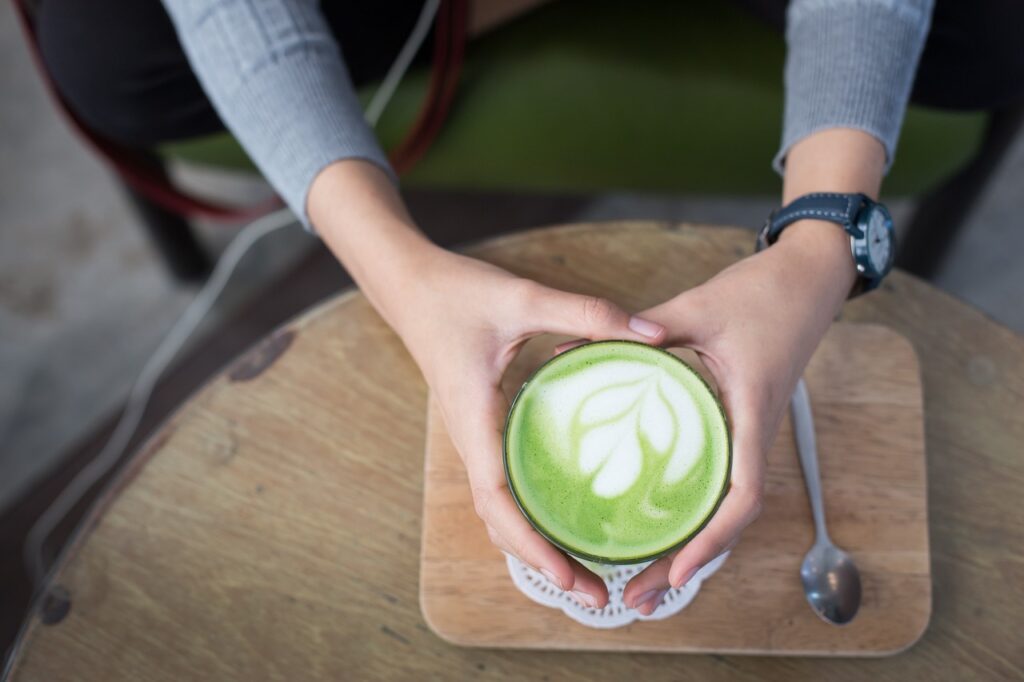
Matcha’s nutrient profile gives it unique physiological effects. Catechins, particularly EGCG, act as antioxidants that support cellular health and combat oxidative stress. Meanwhile, L-theanine promotes relaxed alertness by modulating brain waves and interacting with caffeine to smooth energy without the jittery peaks and crashes associated with coffee. Clinical and laboratory studies point to potential benefits improved attention, modest metabolic effects, and cardiovascular markers but matcha is not a cure-all. Its advantages are best understood as part of an overall healthy diet and lifestyle, with dose and quality influencing outcomes.
Matcha’s Unique Flavor Profile and Culinary Versatility
Matcha offers a layered taste: a bold green umami at the front, a gentle sweetness, and a lingering vegetal finish. The umami comes from amino acids developed during shading; bitterness is present but balanced in good-quality matcha. Texture also plays a role; the finely milled powder produces a creamy mouthfeel when whisked to a froth. Culinarily, matcha is surprisingly versatile. Beyond traditional tea bowls, it enhances lattes, baked goods, ice cream, dressings, and savory sauces. Different grades suit different uses: ceremonial for straight whisked tea, culinary for blended recipes. When used well, it contributes color, flavor, and an antioxidant boost.
Mindfulness and Ritual: Matcha’s Cultural and Mental Appeal
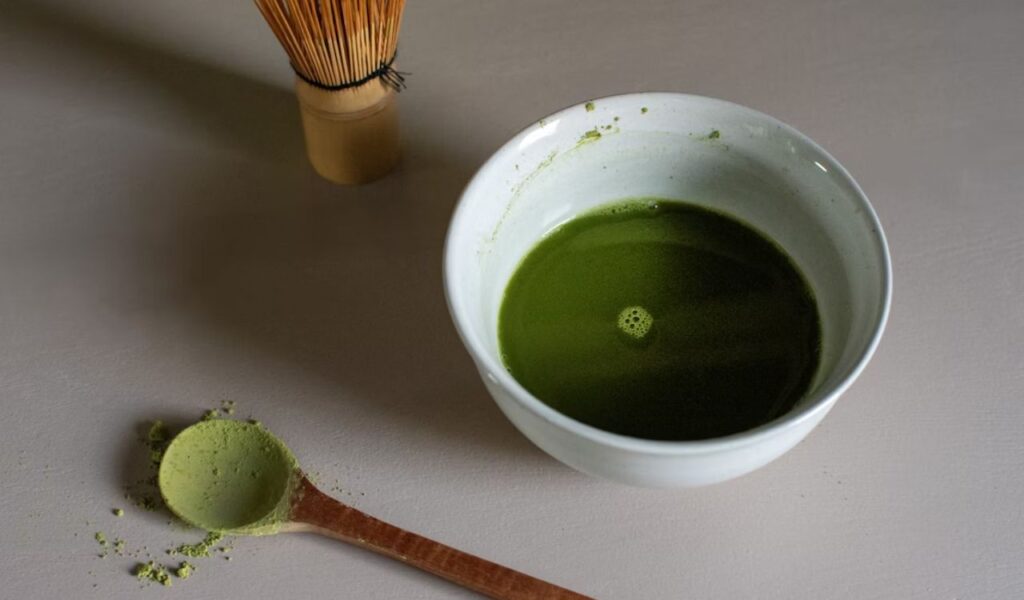
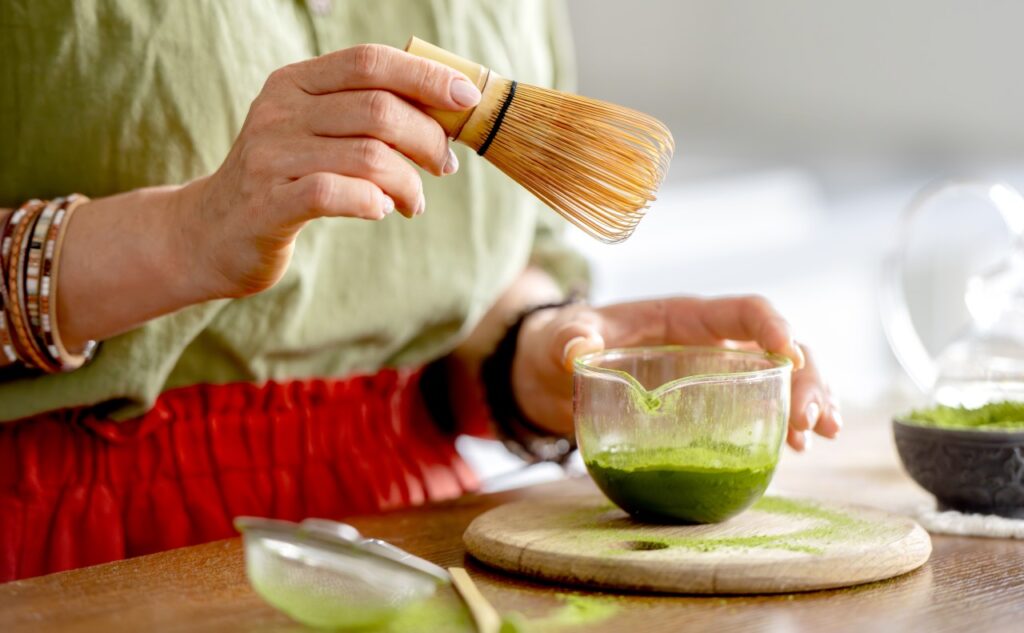
Matcha’s preparation is a slow, tactile act that encourages presence. In the Japanese tea ceremony, every movement is an intentional measure, sift, whisk so the act of making tea becomes a meditative ritual. That cultural framing amplifies matcha’s appeal for people seeking mindful pauses in busy lives. Modern wellness culture borrows that ritual quality while pairing matcha’s biochemical effects, L-theanine plus caffeine, with practices that demand clear, calm focus. The combination of ritual and neurochemistry helps explain why matcha fits both spiritual tradition and contemporary productivity habits.
Matcha vs. Regular Green Tea: A Comparative Snapshot
Per serving, matcha typically supplies more antioxidants, amino acids, and caffeine than an equivalent cup of steeped green tea, because you consume the whole leaf. Taste-wise, matcha reads fuller and greener, while steeped green tea tends to be lighter and more floral or grassy depending on the varietal and steeping time. Preparation and use diverge too: steeped tea is quick and single-purpose, while matcha requires tools and technique but doubles as an ingredient. Both have legitimate places in a healthful diet; matcha is simply a more concentrated, ritual-rich expression of the same plant family.
Things to Consider When Choosing Matcha
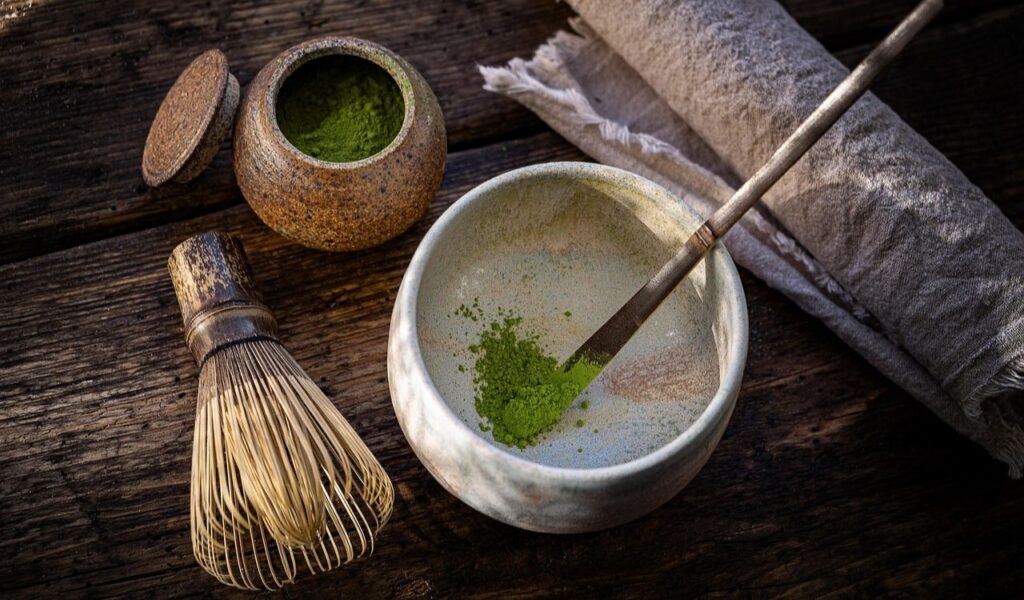
Quality varies widely. Ceremonial-grade matcha emphasizes delicate flavor and smooth texture for drinking straight, while culinary-grade works better in lattes and baked goods. Price correlates with leaf quality, milling, and origin; very cheap powders often come from lower-grade leaves or include fillers. Storage matters too; matcha oxidizes and loses vibrancy when exposed to light, heat, or air. When buying, look for bright green color, fine texture, and clear labeling about grade and origin. Use small amounts and store in a cool, dark place to preserve flavor and nutrients. Choosing well makes the difference between a flat powder and an energizing, nuanced matcha experience.
Reference
- Matcha – Even More Powerful Than Regular Green Tea? – healthline.com
- What is the difference between green tea and matcha? – naokimatcha.com
- Why Matcha Tea Is That Much Popular Nowadays? – bestonebeverages.com