Why Jack Daniel’s Bottles Are Designed with a Square Shape
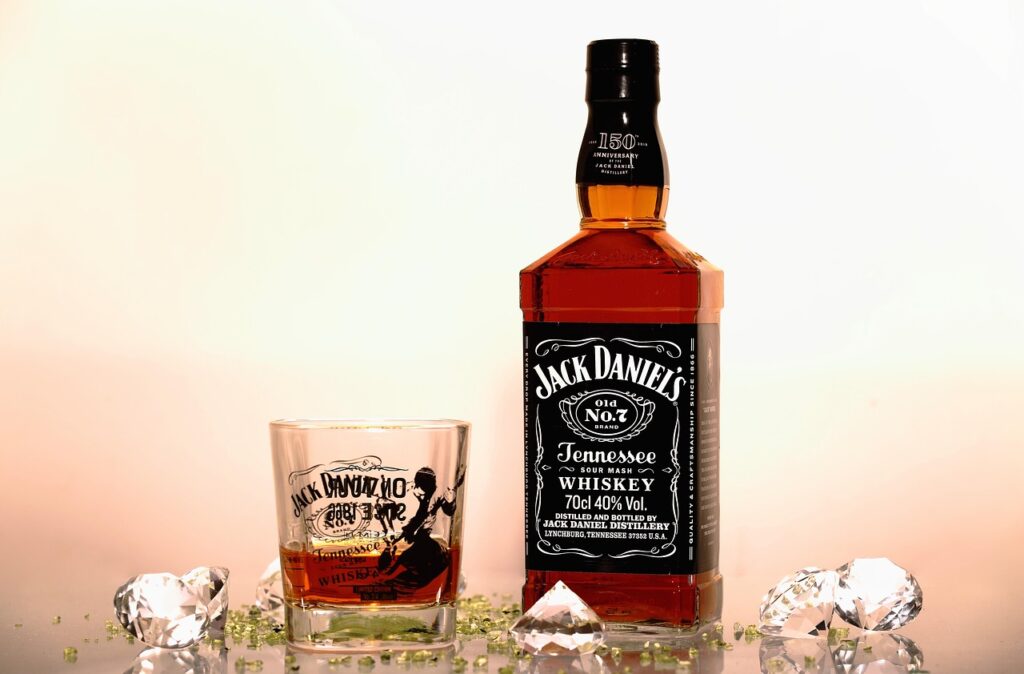
Jack Daniel’s may be celebrated for its signature flavor, but its square bottle carries a story just as distinctive. What first emerged as a practical solution for easier packing, safer transport, and more reliable product integrity eventually grew into one of the most recognizable silhouettes in the spirits industry. Its crisp edges and sturdy profile quickly became part of the brand’s identity, signaling quality long before a single drop is poured. Over time, the square bottle evolved from simple packaging into a symbol of the distillery’s craftsmanship and character. Exploring its origins opens a window into how practicality, branding insight, and a touch of legend shaped a container that continues to stand apart.
Why Jack Daniel’s Bottle Shape Became Iconic
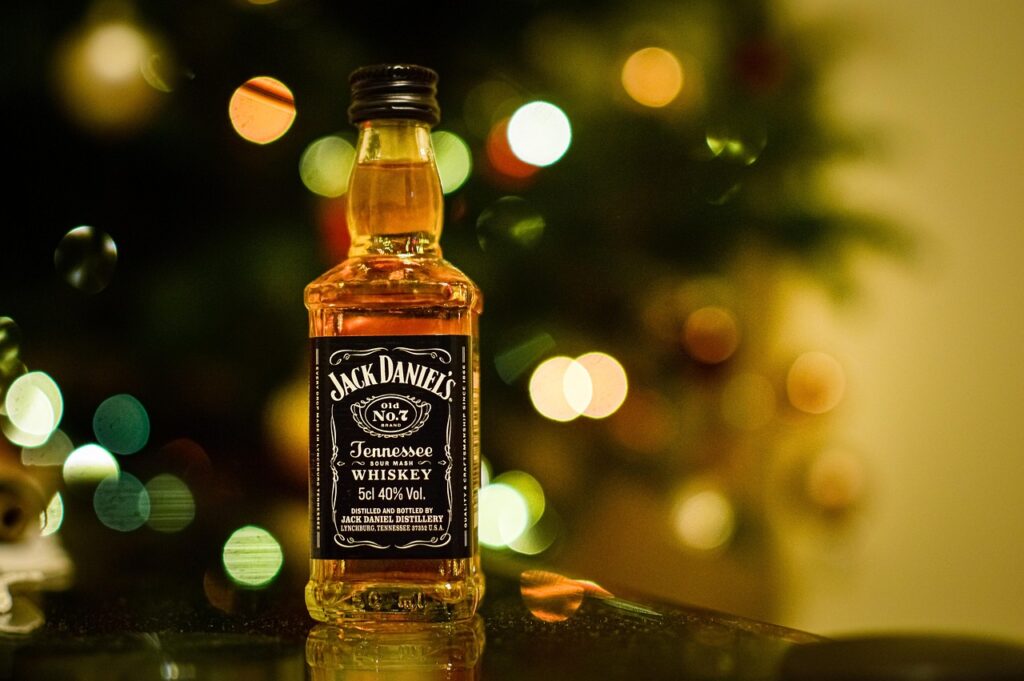
Jack Daniel’s square bottle is more than a container; it is the visual shorthand for a brand built on consistency and character. The boxed silhouette stands out on crowded shelves, signaling a specific product and a long story behind it. Over more than a century, that silhouette has done heavy lifting for the brand: it tells customers what to expect before they read a label. Design choices began as practical solutions but matured into identity. What started as a shipping and bottling decision evolved into a trademarked mark of authenticity.
The Legend Behind the Square Design
One popular account credits a traveling glass salesman who showed Jack Daniel a leftover square bottle. Supposedly, Daniel tested the prototype and quipped that it was fitting: “A square bottle for a square shooter.” Whether anecdote or fact, that line captures the brand voice plainspoken, honest, and a little defiant. Beyond folklore, the story matters because it frames the bottle as a conscious statement. The choice was presented as an assertion of integrity: bottling whiskey that the distillery controlled and packaging it in a shape that would be unmistakable. That narrative helped turn a practical choice into an origin myth that the company still leans on in its storytelling.
How Bottling Ensured Whiskey Integrity
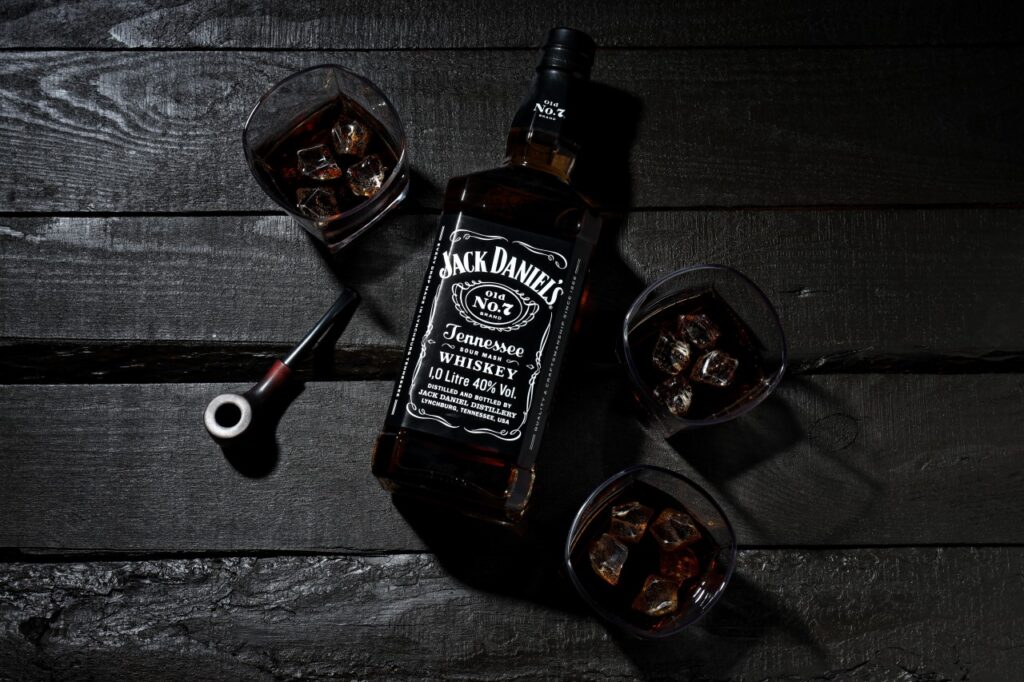
At the end of the 19th century, many retailers filled bottles from barrels on site, leaving room for adulteration or inconsistency. Jack Daniel’s move to bottle whiskey at the distillery in the 1890s was a quality-control decision intended to guarantee product purity and uniformity. Bottling under the distillery’s supervision meant buyers could trust what the label promised. The square bottle played a role in that shift. Distillery-controlled packaging reduced tampering and created a standardized unit for sale. In an era when provenance mattered less to regulators, the physical act of bottling became an assurance of traceability and fairness between maker and consumer.
Practical Benefits: Shipping, Packing, and Shelf Appeal
Square bottles pack more efficiently than round ones. Flat sides allow bottles to sit snugly against each other, reducing movement on a pallet or in a crate during transport. Less movement meant fewer shattered bottles and lower shipping losses in an era when glass quality and transport were less forgiving than today. On the retail shelf, the square form also presents a larger, flatter canvas for labels and typography, improving legibility and brand impact. The geometry helps a bottle stand upright and stable under variable store lighting and customer handling. In short, the shape offered measurable logistical advantages at every point from production line to point of sale.
Branding Power: Recognizing Jack Daniel’s Instantly
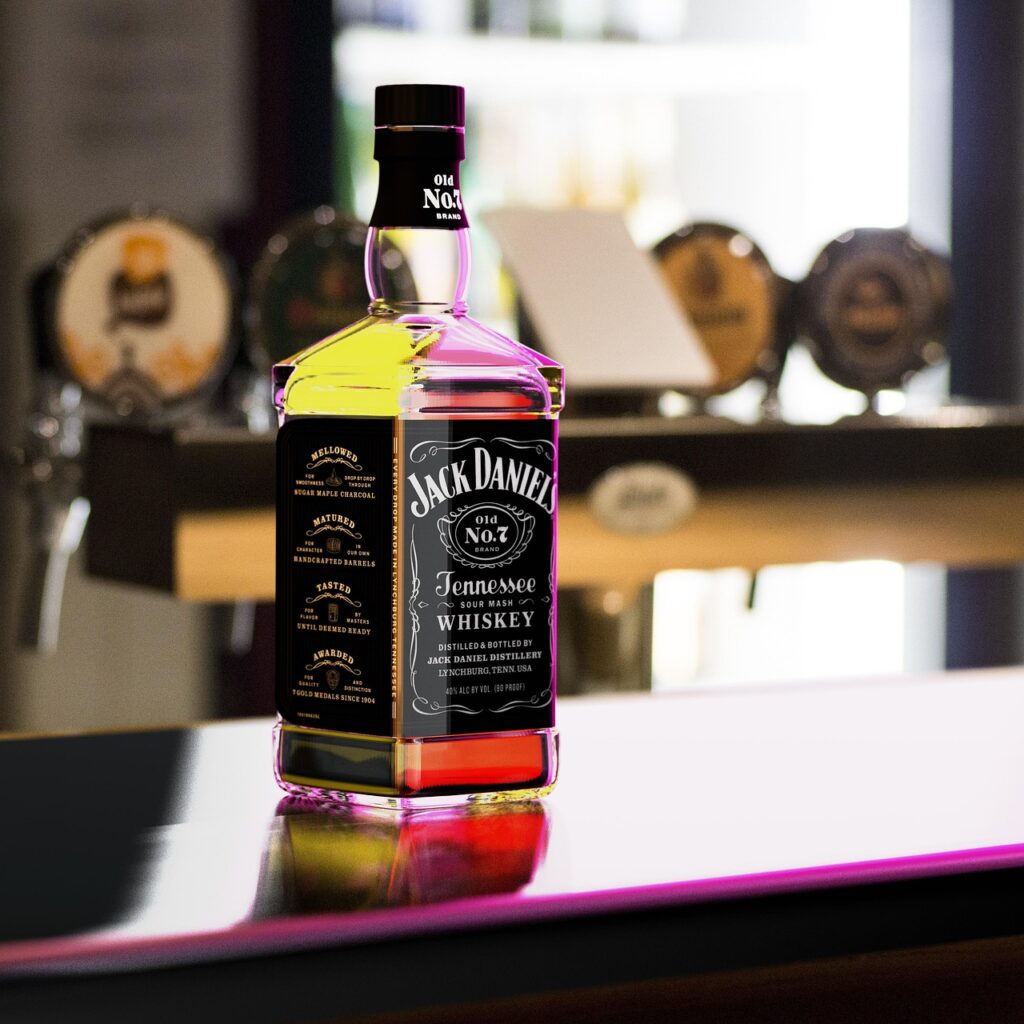
A bottle can be a silent spokesperson. With Jack Daniel’s, the square bottle communicates confidence: the distillery’s look is consistent, unmistakable, and durable. That recognition reduces friction in purchase decisions. Consumers learn to associate the shape with a flavor profile and quality standard, making the bottle a trust signal. Consistency over decades strengthened brand equity. When a customer spots that distinctive silhouette, years of advertising, awards, and cultural references come to mind. The bottle becomes a cognitive shortcut for the product inside, which is precisely why the design has been guarded so carefully.
Historical Timing: When Jack Daniel’s Chose the Shape
The distillery formalized its bottling process and adopted the square bottle in the 1890s, a period of significant industrial change in the spirits trade. At the time, bottling at source was emerging as a way to protect consumers and differentiate premium producers from the many merchants who blended or diluted spirits on site. Choosing the square form during this transition sent two messages simultaneously. Practically, it made sense in the factory and for freight. Symbolically, it signaled a break from informal retail practices toward branded, controlled production, a move that positioned Jack Daniel’s for national and eventually global growth.
Influence on Pricing and Perceived Value
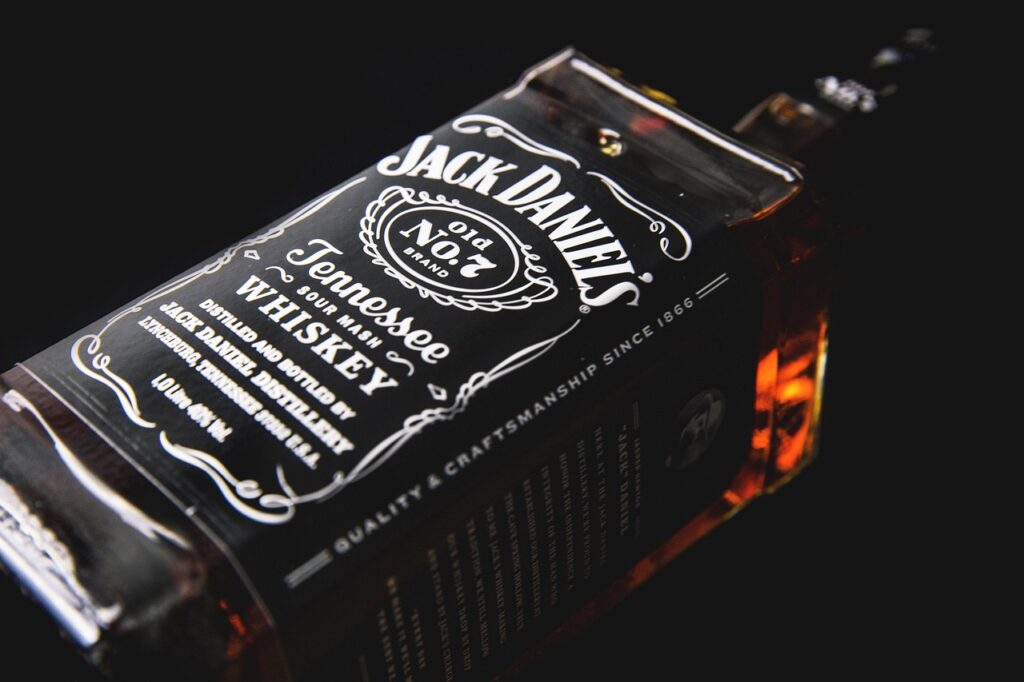
Packaging shapes perceived value. The square bottle’s substantial glass, bold label area, and distinctive silhouette all signal a premium product in the shopper’s mind. Buyers often interpret sturdier packaging as a cue that the contents are worth a higher price, and Jack Daniel’s leveraged that psychology as it expanded markets. Beyond raw cost, the bottle anchored marketing messages around heritage and craftsmanship. When packaging communicates seriousness and provenance, it strengthens willingness to pay. The square bottle thus contributed not only to logistics but also to the brand’s ability to command a specific place in the market.
How the Square Shape Stands the Test of Time
Design that succeeds on function and symbolism endures. The square bottle survived shifts in glassmaking, wartime shortages, and waves of modern redesign because it solved multiple problems at once: packing efficiency, label clarity, and brand distinctiveness. Small refinements have appeared over the years, but the essential shape persists. Today, the bottle is a case study in how consistent, pragmatic design becomes cultural iconography. It shows that when form follows both function and story, packaging can transcend utility to become a long-lived emblem of a product’s identity.
Reference
- The Specific Reason Jack Daniel’s Whiskey Is Packaged In Square Bottles – tastingtable.com
- Why it’s Old No. 7 in a Square Bottle? – cidermillpress.com