Should You Leave Your Grill Outside All Winter Grill Masters Weigh In
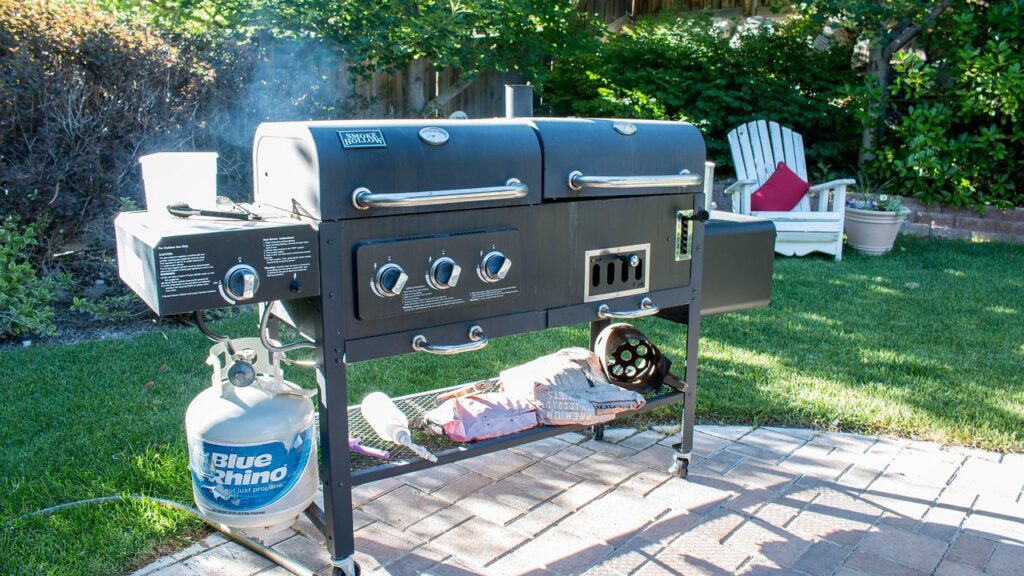
The question of winter grill storage often surfaces when temperatures begin to drop and backyard gatherings move indoors. Many grill owners assume that cold weather alone is the main threat, but experts note that winter damage is almost always rooted in moisture, neglect, and unseen mechanical wear. A grill can absolutely stay outside all winter, but only when it is prepared properly and monitored occasionally. Without proper care, the cold season can quietly shorten its lifespan.
What Experts Say About Outdoor Winter Storage
Outdoor storage is widely accepted among grill manufacturers and technicians, provided the grill is cleaned thoroughly, covered securely, and kept dry. Experts emphasize that it is not the cold that destroys a grill but the cycle of trapped moisture freezing and thawing around vulnerable metal components. With a high-quality cover and proper preparation, outdoor storage becomes a safe and convenient option for anyone who cooks year-round. Outdoor storage performs best in climates with moderate winter conditions where snow and humidity remain manageable. In harsher regions, winter can accelerate corrosion and weaken structural components if protection is lacking.
Grill durability varies significantly depending on the materials used. Stainless steel and cast aluminum handle winter conditions well due to their corrosion resistance, but even they can discolor or rust when moisture is trapped under a cover. Porcelain coatings help protect surfaces from rust but can crack under severe freeze conditions if not maintained. Lower grade steel and thin metal parts deteriorate faster outdoors, especially in areas with frequent snow accumulations.
Pre-Winter Prep: What You Must Do Before the Cold Hits
Preparing a grill for winter is like placing it into seasonal hibernation. This stage determines whether the grill emerges in spring ready to perform or burdened with rust, pests, or mechanical problems. A careful cleaning, full inspection, and thorough drying routine set the foundation for safe outdoor storage. Winter prep also helps maintain the grill’s long-term value by reducing wear from temperature swings and moisture exposure. Winter cleaning is more extensive than routine maintenance. Experts recommend scrubbing every surface that has come in contact with food or grease, including burners, grates, flavorizer bars, and drip trays.
Grease left inside the grill attracts pests and traps moisture, which increases the risk of corrosion during long periods of inactivity. A degreaser designed for grilling equipment helps remove buildup without damaging protective coatings. Even a small amount of leftover moisture can lead to rust during winter. Once the grill is cleaned, all components should air dry fully with the lid open. Water trapped inside the firebox or lower trays may freeze and expand, causing cracks or warping. Ensuring complete dryness helps prevent condensation from forming beneath the grill cover, which is a primary cause of winter rust across all materials.
Protecting Your Grill From the Elements
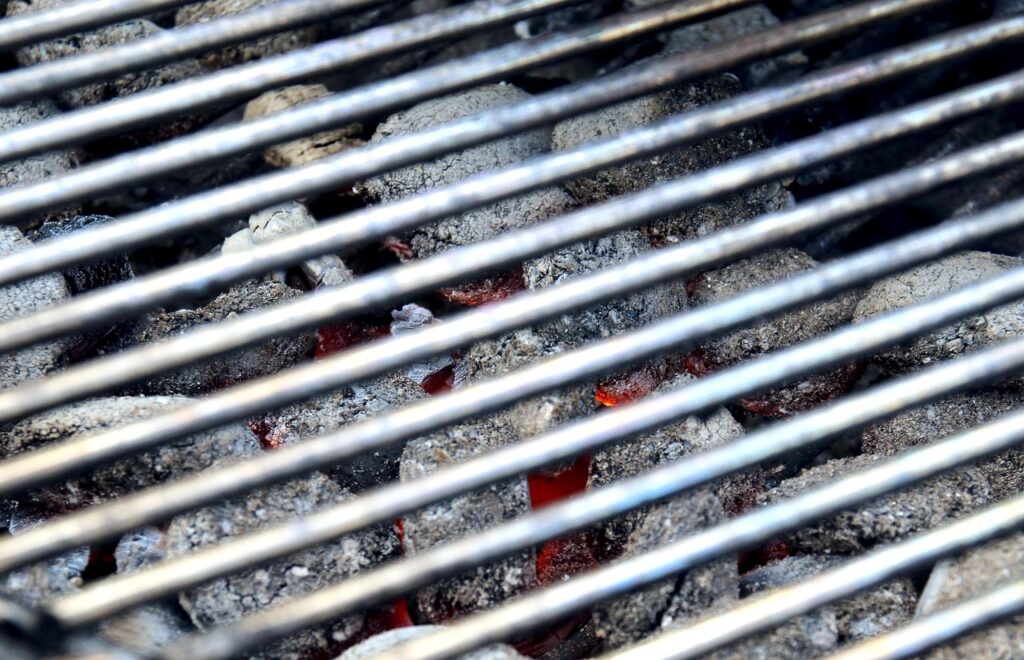
Outdoor winter storage is not simply about covering the grill and walking away. Its placement, protective materials, and the conditions around it all influence how well it withstands winter. Shielding a grill from direct moisture, heavy snowfall, and temperature swings reduces wear and preserves its structural integrity. Strategic positioning and high quality protection are essential for keeping outdoor grills functional through the cold season. A weather-resistant cover protects the grill from snow, freezing rain, and debris. High-quality covers are designed to keep water out but still allow airflow, which prevents condensation from building inside.
Where the grill sits for winter plays a significant role in how well it ages. A sheltered area reduces exposure to harsh weather patterns and shields vulnerable parts from direct moisture. Even if a grill must remain outdoors, tucking it against a wall or beneath an overhang offers additional protection. Full indoor storage is ideal, except for propane tanks, which should always stay outside. Grills stored directly on damp soil or icy ground absorb moisture from below. Elevating the grill or placing it on a dry platform prevents water from pooling around the legs and lower frame.
Additional Safeguards for Gas, Propane, and Charcoal Grills
While all grills share the same basic winter storage principles, each fuel type has unique vulnerabilities that require extra care. Ensuring safe handling of tanks, burners, and metal surfaces reduces hazards and keeps performance consistent after the winter season. A few targeted precautions make a significant difference in long-term durability. Propane tanks must remain outside year-round. Storing them indoors creates a safety hazard due to potential gas release in enclosed spaces. Tanks should be disconnected if moving the grill indoors, but kept upright and stable outdoors in a well-ventilated spot. Ensuring the valve is fully shut prevents leaks and keeps the tank ready for spring use.
Gas lines and burner tubes are frequent nesting spots for spiders and insects during winter. Sealing these openings with aluminum foil or manufacturer-recommended plugs prevents pests from entering and clogging the system. Blocked burner tubes can create dangerous flare-ups, so maintaining clear pathways is an essential winter practice for gas grill owners. Cast iron grates and uncoated metal parts are particularly vulnerable to oxidation during long storage periods. Applying a thin layer of cooking oil after cleaning forms a protective barrier that prevents rust.
Risks of Leaving a Grill Outside All Winter

Failing to prepare a grill for winter does not always result in immediate damage, but the harm accumulates quietly. Months of cold, moisture, and pests can take a toll on internal components and exterior surfaces. Understanding these risks highlights why proper preparation is strongly recommended for anyone storing a grill outdoors. Snow that melts and refreezes introduces moisture deep into joints, seams, and burner assemblies. When water freezes, it expands and puts pressure on metal components, gradually weakening them. Corrosion may go unnoticed until spring, when surface rust becomes visible, or burners fail to ignite properly.
Pests, Spiders, and Rodents Can Take Shelter Inside
Winter shelters are scarce for small animals and insects, making a grill an attractive place to nest. Food residue and grease increase this likelihood. Rodents can chew through wires or insulation, while spiders often clog burner tubes. Preventing pest entry is one of the most overlooked but important aspects of winter grill care. Residual grease combined with winter humidity encourages mold growth. Even small traces of food particles can create unsanitary conditions after months of sitting idle. Charcoal ash absorbs moisture and accelerates metal decay, which is why experts recommend emptying ash completely before storage.
When It Might Make More Sense to Move Your Grill Inside
In certain situations, indoor storage is not only beneficial but also advisable. Climate conditions, infrequent use, and long idle periods all affect whether a grill is better protected indoors. While propane tanks must remain outside, the grill itself can be stored safely in a dry and ventilated area. Regions with intense winter weather place grills under continuous stress. Heavy snow buildup weighs down lids and covers, while coastal humidity accelerates corrosion even under protective coverings. Indoor storage becomes a smarter long-term solution for grills exposed to these environments.
If winter grilling is rare, the grill will spend most of the season unused. Indoor storage eliminates the need for periodic checks and prevents environmental damage from accumulating over months. A sheltered location ensures the grill remains stable, dry, and ready for spring. Keeping a grill indoors prevents snow removal, reduces cleaning demands, and avoids repeated freezing cycles. For many owners, the added convenience outweighs the effort of temporarily relocating the grill. The result is a grill that stays cleaner and safer throughout winter.
If You Decide to Grill Through Winter: Maintenance Tips
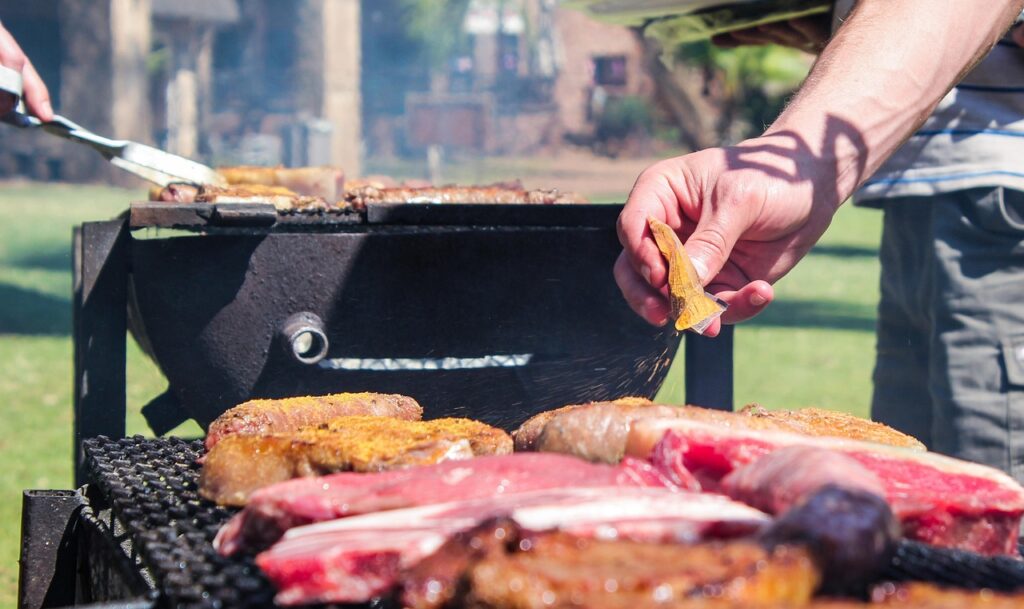
Winter grilling can be rewarding, but it calls for attentive care. Low temperatures affect cooking times, moisture levels, and mechanical performance. Following a few maintenance habits keeps the grill in good condition even with frequent use during cold months. Grease hardens faster in cold air, making cleaning more important than in warmer months. Removing residue promptly prevents buildup that can trap moisture or block burner openings. Wiping the grill dry after cooking helps reduce rust and ensures consistent heating performance.
A breathable cover is essential after winter grilling sessions. Once the grill has cooled completely, the cover protects it from snow while allowing airflow. This prevents condensation from collecting beneath the fabric, which is a common source of winter rust. Regular inspections during winter help detect early signs of wear, pests, or moisture accumulation. Checking burners, inspecting seals, and removing snow from the cover reduces long-term damage. These small checkups make winter grilling safer and extend the grill’s life.
References
- Should You Leave Your Grill Outside All Winter? Grill Masters Explain – marthastewart.com
- Should You Leave Your Grill Outside All Winter? Grill Masters Explain – aol.com
- Can You Leave Your Grill Outside All Winter? – homebilliards.ca