14 Packaged Foods Worth Buying Instead of Making Yourself

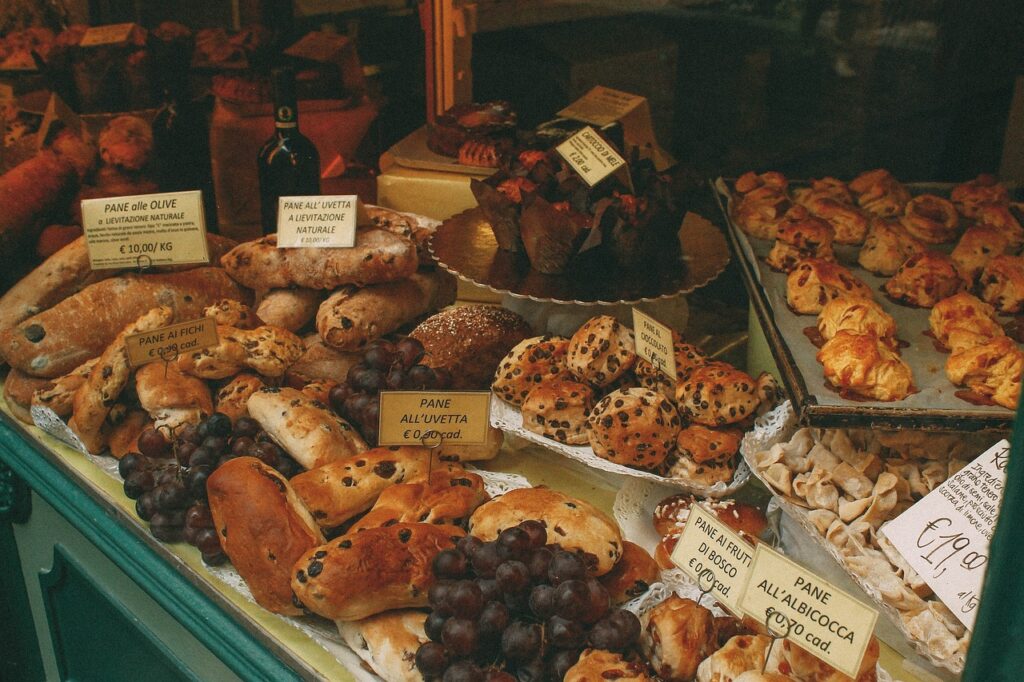
While cooking from scratch has its rewards, not every ingredient or recipe benefits from a homemade approach. Many packaged foods are produced with techniques, equipment, and controlled conditions that simply cannot be duplicated in a home kitchen. These products save time, reduce waste, and deliver reliable results that support busy routines without sacrificing quality. From delicate pastries to complex cultured dairy, certain store-bought items are worth embracing as dependable culinary shortcuts that make everyday cooking feel easier and more enjoyable.
1. Rotisserie
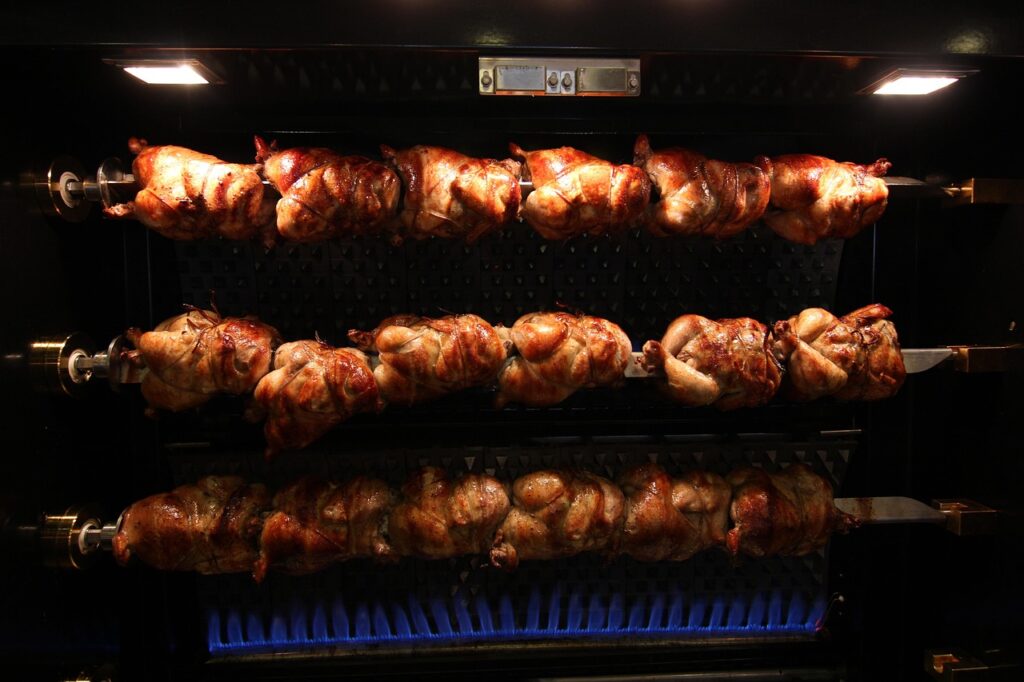
A well-prepared rotisserie chicken is one of the few store-bought items that consistently rivals homemade versions, largely because commercial rotisseries cook at controlled temperatures and rotate continuously to baste the meat in its own juices. This produces a texture and flavor profile that is difficult to replicate at home without specialized equipment. Beyond taste, the value proposition is significant. Buying a whole cooked chicken saves the time required for seasoning, roasting, and cleanup while providing enough meat for multiple meals. For many households, it also reduces food waste because the chicken is evenly cooked and portioned.
2. Confectionery Sweets

Homemade candy may seem charming, but it demands precise temperature control and specialized tools that most home kitchens do not have. Sugar work requires accuracy within just a few degrees, and even slight mistakes can lead to grainy, sticky, or unusable results. Store-bought candy eliminates that risk by offering consistent texture, flavor, and shelf stability. Commercial producers use calibrated equipment and controlled environments that ensure proper crystallization and safety. The reliability of packaged candies makes them a smart choice for snacking or baking needs.
3. Puff Pastry Sheets

Phyllo and puff pastry demand an extraordinary level of patience and technique because the dough must be rolled into impossibly thin, even layers while kept cold enough to prevent butter from melting. Creating hundreds of delicate layers at home is time-consuming and prone to errors that impact flakiness and rise. Packaged pastry, on the other hand, is made using industrial laminating machines that achieve precision no home baker can match. This allows cooks to enjoy restaurant-quality pastries with minimal effort and predictable results.
4. Jarred or Bottled Specialty Sauces

While homemade sauces carry sentimental appeal, many take hours to develop depth of flavor. Jarred sauces offer a practical alternative because they capture slow-simmered richness in a format ready within minutes. Commercial kitchens often blend roasted vegetables, spices, and herbs under controlled conditions that ensure consistent taste across batches. This is difficult to replicate when cooking in small quantities at home. Store-bought sauces also reduce the need to buy multiple ingredients that may only be used occasionally. Their convenience and reliability make them valuable pantry staples that enhance a wide variety of meals without sacrificing quality.
5. Tomato Paste in Cans or Tubes
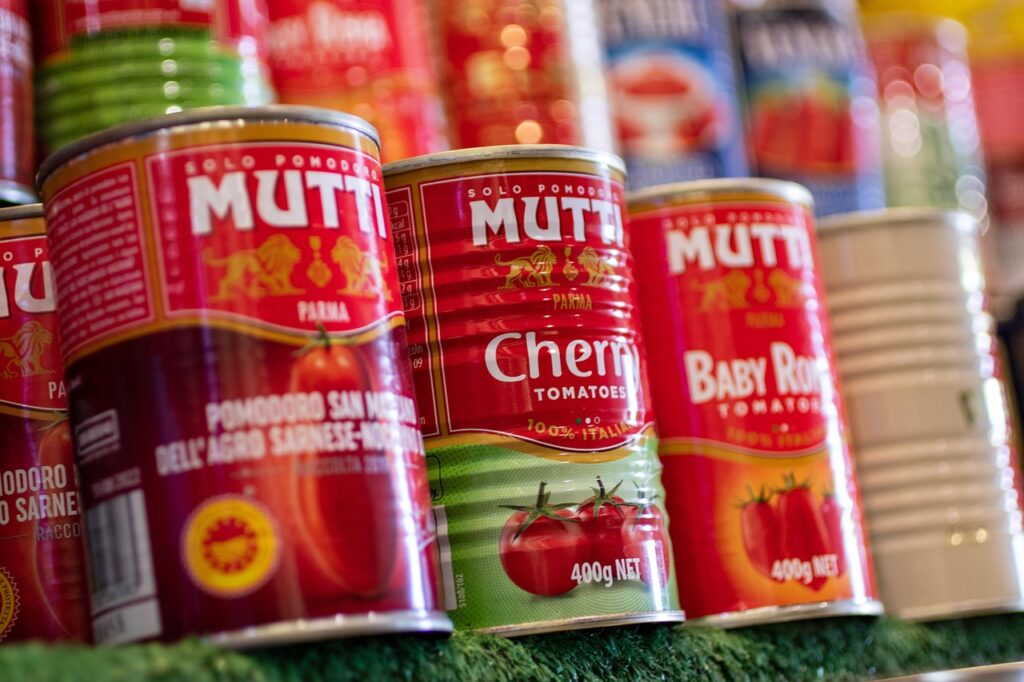
Tomato paste is one of the most time-consuming ingredients to make from scratch because tomatoes must be cooked down slowly until only their concentrated essence remains. This process produces very little yield and consumes considerable energy. Store-bought tomato paste eliminates this inefficiency, offering concentrated flavor in a convenient, inexpensive format. Because it lasts for months and can be used in small amounts, packaged tomato paste is a practical and economical choice for home cooks looking to enhance soups, stews, sauces, and braises.
6. Ready-Made Stocks and Broths
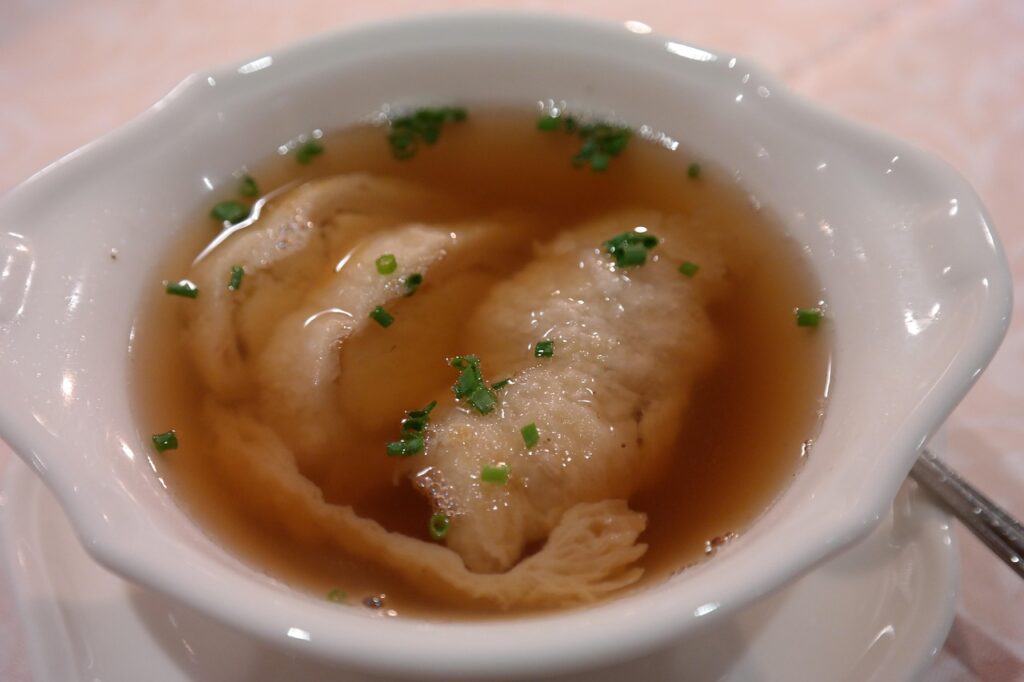
Homemade stock carries deep flavor, but it requires hours of simmering, regular skimming, and refrigeration space for cooling. Store-bought stocks offer similar richness with none of the logistical challenges. Many commercial broths are prepared using pressure-controlled systems that extract flavor efficiently and safely. They also provide consistency that fluctuates in homemade versions depending on ingredient freshness and cooking time. Packaged stock is especially helpful for quick weeknight meals where long simmering is unrealistic. By keeping quality broth on hand, cooks can build soups, sauces, and grains with dependable depth while saving considerable time and effort.
7. Aged Cheeses and Specialty Cheeses
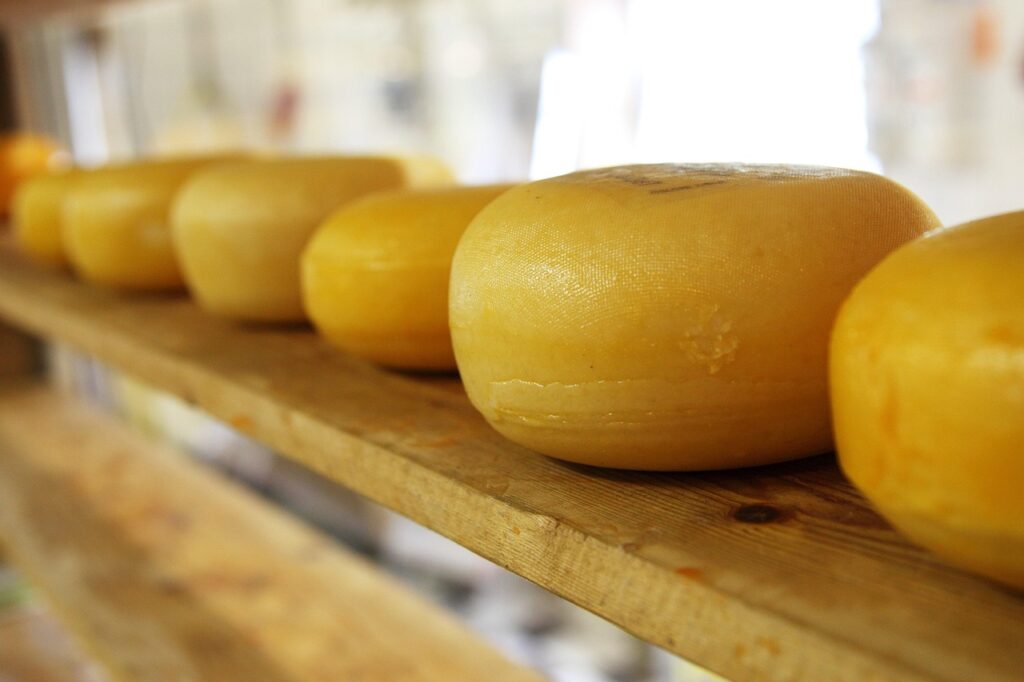
Cheese making at home may sound rewarding, but replicating properly aged cheeses is nearly impossible without controlled humidity, precise temperature regulation, and extended maturation periods. Commercial producers invest in specialized facilities that create the ideal conditions for aging, which directly influences flavor, texture, and safety. Store-bought cheeses also undergo rigorous testing to ensure consistency. For most households, buying aged cheeses is more practical than attempting lengthy, unpredictable aging processes that could lead to spoilage. Packaged cheeses provide reliable quality for cooking, snacking, and entertaining without the complications of home fermentation.
8. Bagels, English Muffins, and Breakfast Breads

Certain breakfast breads, particularly bagels and English muffins, require specific steps that are challenging to reproduce at home. Bagels must be boiled before baking to achieve their signature chew, and English muffins rely on careful griddle cooking to form their characteristic nooks and crannies. Achieving uniform texture and shape without commercial equipment is difficult and often time-consuming. Their convenience and consistency make them ideal for busy mornings, offering the satisfaction of freshly baked goods without the labor-intensive preparation.
9. Cultured Dairy Items
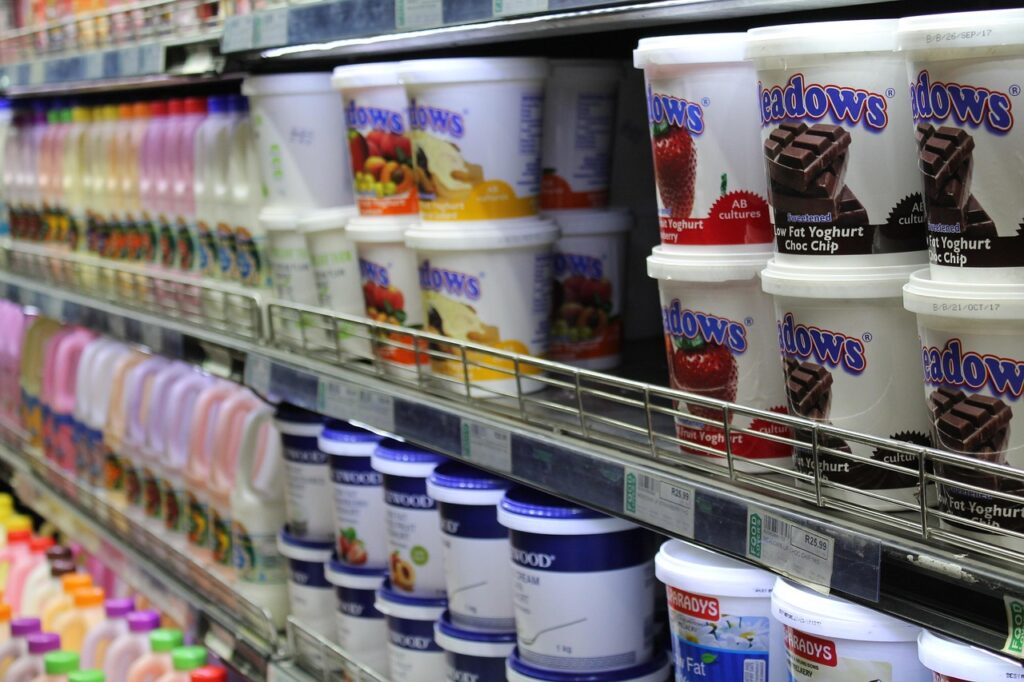
Yogurt making demands tight temperature control to ensure that live cultures activate and ferment correctly. Even small fluctuations can produce inconsistent texture or spoilage. Commercial producers use automated systems that maintain steady incubation temperatures, yielding a smooth, reliable product every time. Store-bought yogurt also undergoes quality checks that protect against contamination. For home cooks, the cost, equipment, and time required to make yogurt often outweigh any perceived benefits.
10. Ice Cream

Ice cream requires controlled freezing and steady churning to create fine ice crystals and avoid grainy textures. Without specialized equipment, homemade ice cream often struggles to achieve the smoothness and structural stability found in commercial products. Manufacturers leverage rapid freezing technology and emulsifiers that enhance creaminess and help maintain texture over time. Store-bought ice cream also offers a vast range of flavors that would be difficult and expensive to recreate at home. For most households, purchasing ice cream provides superior quality and greater variety with far less effort.
11. Packaged Crackers

Cracker making may look simple, but creating uniformly crisp, thin, and flavorful crackers requires exact ratios, controlled baking temperatures, and proper drying techniques. Homemade crackers often vary in texture and shelf life, while commercial versions benefit from industrial baking equipment that ensures consistent crispness. Packaged crackers are affordable, convenient, and designed to stay fresh longer than their homemade counterparts. Their reliability makes them a practical choice for snacking, serving with cheese, or pairing with dips without the lengthy preparation of rolling and baking multiple batches at home.
12. Packaged Pasta

Dry pasta is one of the most efficient foods to buy premade because commercial extrusion and drying processes produce textures that are extremely difficult to replicate at home. These controlled methods give pasta its signature bite and allow it to hold sauces effectively. Homemade pasta, while delicious, requires time, equipment, and regular practice to achieve consistent results. Packaged pasta is inexpensive, stores well, and cooks quickly, making it an indispensable pantry item for busy households. Its convenience and reliability ensure that meals come together easily without compromising taste.
13. Canned Beans
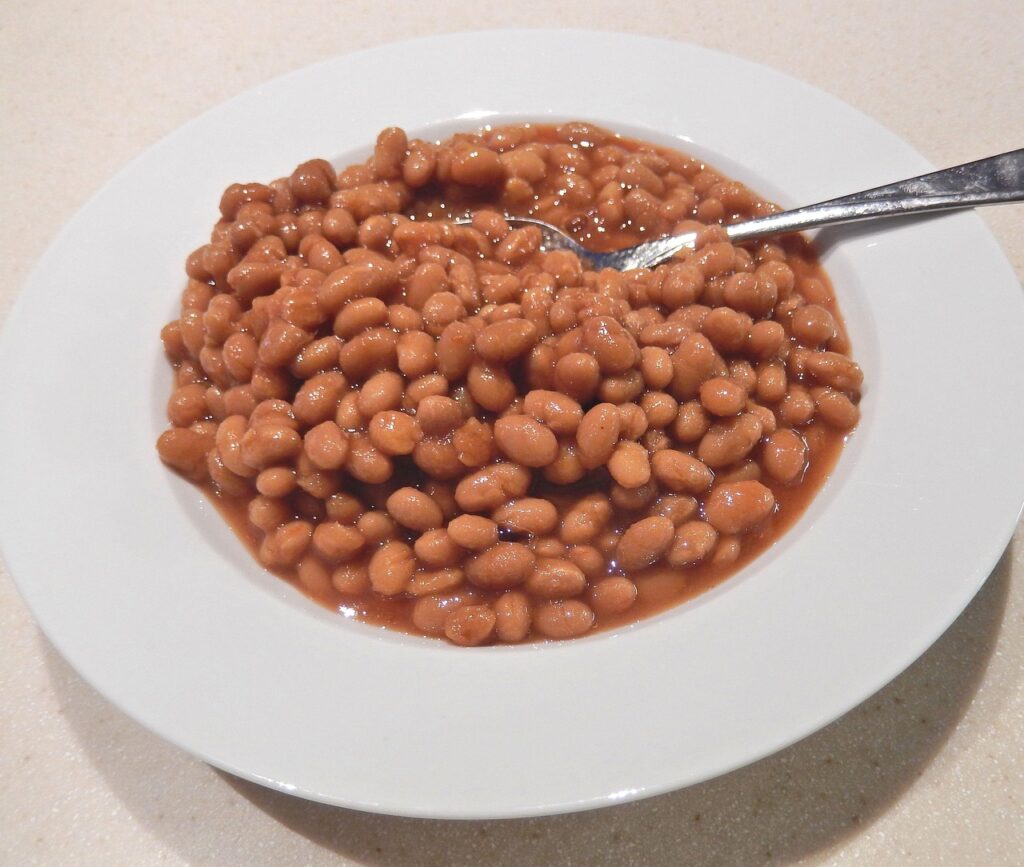
Canned beans are one of the most practical packaged foods available because they provide the flavor, nutrition, and texture of dried beans without the long soaking and simmering process. Cooking beans from scratch can take several hours and demands monitoring to ensure they soften evenly without breaking apart. In contrast, canned beans are cooked under controlled pressure, delivering consistent results that integrate seamlessly into soups, salads, stews, and dips. Their convenience does not come at the expense of quality, making them a dependable staple for both quick meals and more elaborate dishes.
14. Pre-shredded cheese
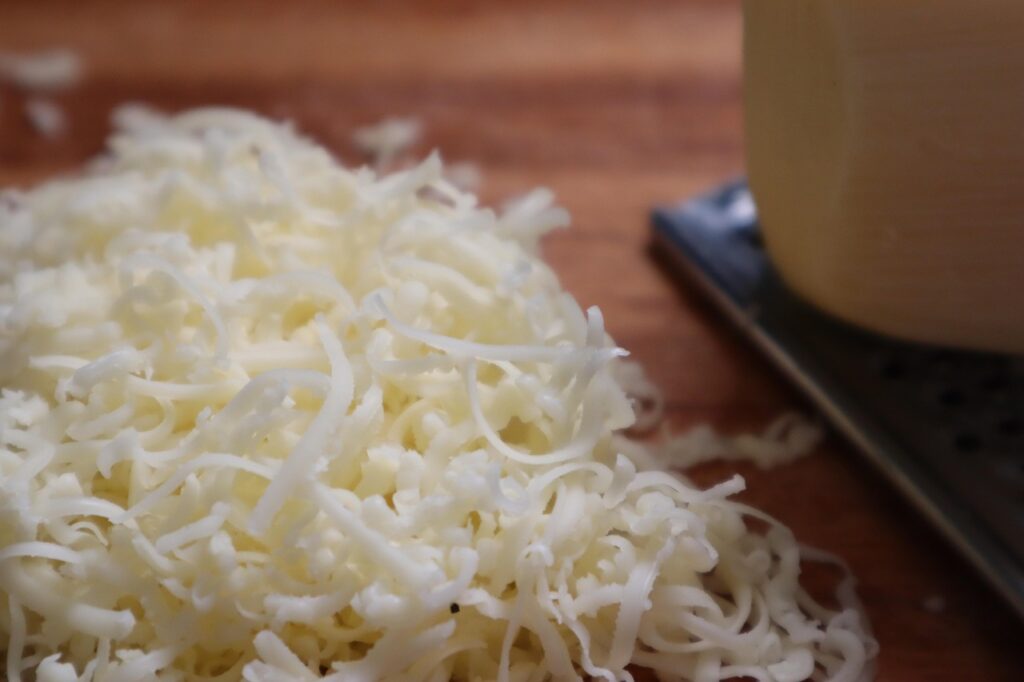
Pre-shredded cheese has become a staple in many households because it offers a level of convenience that is hard to match with block cheese. Shredding by hand can be messy, uneven, and time-consuming, especially when preparing large quantities for casseroles, tacos, pizzas, or baked dishes. Commercial shredding also reduces the physical effort involved and eliminates the need for specialized tools or cleanup. While some purists prefer grating fresh cheese, the practicality of pre-shredded options makes them a smart choice for busy cooks who value speed and reliability in the kitchen without sacrificing flavor.