The Proper Way to Make a Margarita for Great Flavor Every Time

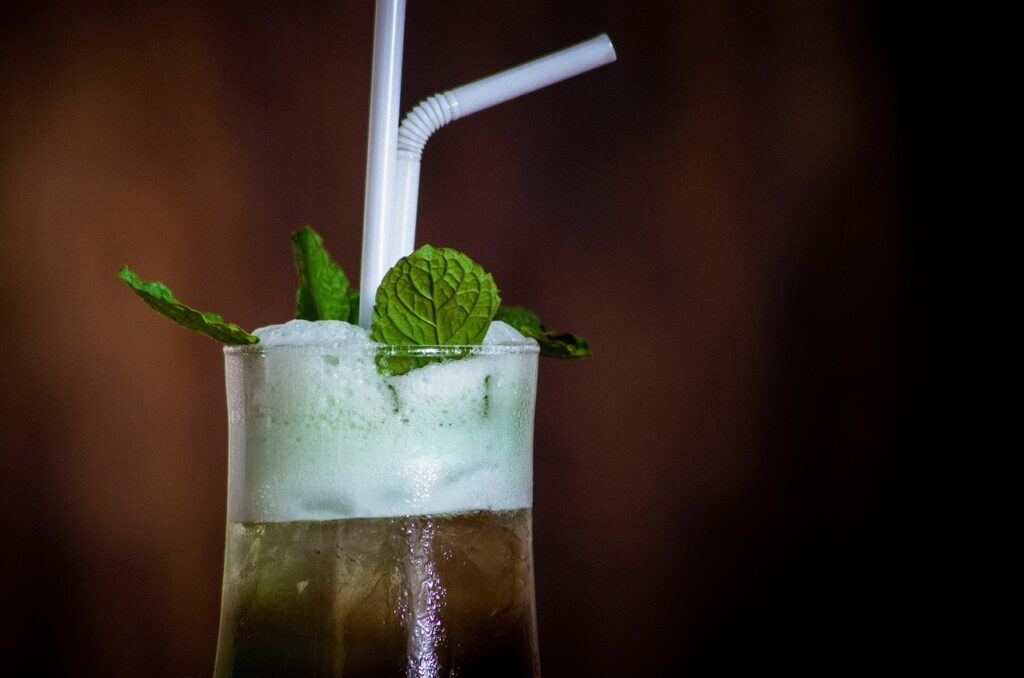
A great margarita begins long before the first shake of the cocktail shaker. It starts with understanding how each ingredient contributes structure, balance, and freshness to the drink. A margarita is simple, but simplicity leaves no room for shortcuts. Using the right components in the right ratios transforms a basic cocktail into something clean, bright, and consistently flavorful. When prepared correctly, the result is a drink that tastes both timeless and refreshing, no matter the occasion.
What Makes a Real Margarita: The Core Trio You Can’t Skip
A proper margarita rests on three essential ingredients: tequila, lime juice, and orange liqueur. These form the backbone of every classic version of the drink. The tequila carries herbal, earthy notes, the lime offers sharp acidity, and the orange liqueur adds sweetness with subtle citrus depth. When these three are combined in the correct ratio, the drink becomes balanced and smooth without needing additional mixers. Tequila choice directly shapes the flavor profile. Experts agree that a blanco or reposado made from 100 percent blue agave delivers the cleanest and most reliable taste. Cheaper tequila blends introduce harshness or bitterness that distracts from the cocktail.
Fresh lime juice is irreplaceable in a margarita. Bottled lime juice lacks the brightness and natural acidity that define the drink’s character. Using fresh limes ensures vivid flavor and proper balance. The freshness of citrus also dictates how much sweetener and liqueur the recipe needs. A margarita made with fresh lime juice consistently tastes cleaner and more refined, which is why bartenders insist on squeezing the fruit right before making the drink.
Mastering the Measurements: The Ratios Behind Perfection
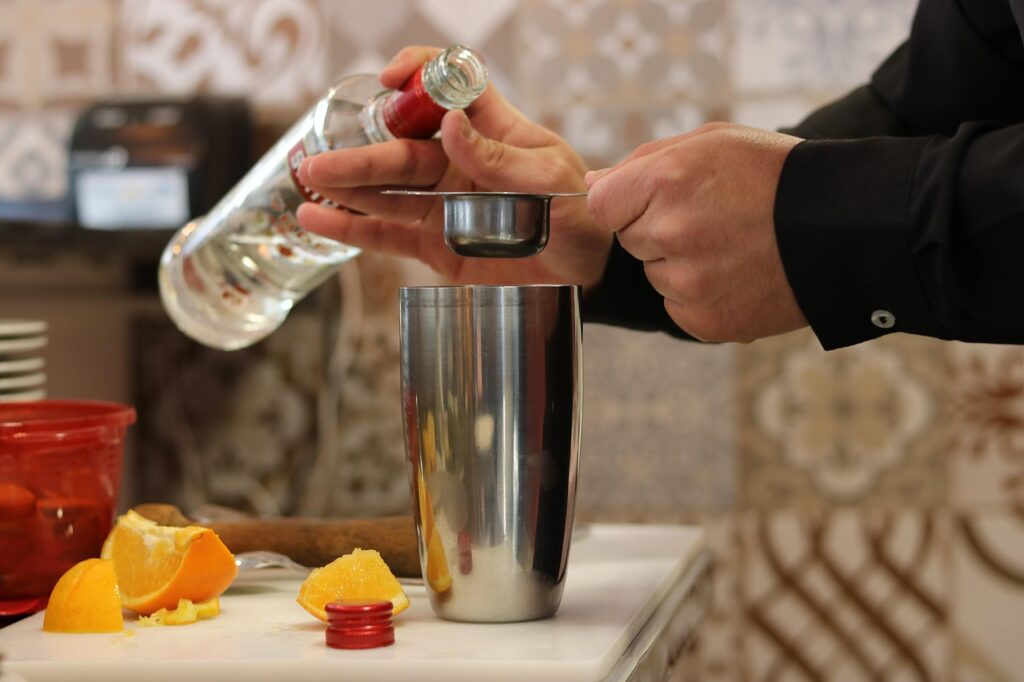
A margarita’s success depends heavily on its structure. Unlike cocktails that can be freely improvised, a margarita relies on careful measurement. Too much lime makes it sour and thin, while too much sweetener dulls its crisp edge. Understanding ratios allows the drink to remain balanced no matter how it is customized. The classic recipe follows a structure of two parts tequila, one part lime juice, and one part orange liqueur. This ratio is popular because it produces a straightforward and well-balanced margarita. Each ingredient has room to shine without overpowering the others. This version typically needs no added sweetener because the orange liqueur already provides enough natural sweetness.
Many bartenders use a slightly different ratio when they want a punchier, more citrus-focused drink. In this variation, tequila takes the lead, lime juice becomes more prominent, and liqueur plays a smaller role. The result is a margarita with brighter acidity and less sweetness, ideal for those who prefer a refreshing, sharp flavor rather than a dessert-like finish. Agave syrup is the most traditional sweetener used in margaritas because it mirrors the natural sweetness of the agave plant used to make tequila. Simple syrup works as well, but adds a different character. Adjusting sweetness is useful when limes are extra tart or when a lighter, smoother finish is desired.
Step-by-Step Mixing: From Shaker to Glass
Making a margarita properly is not just about ingredients. Technique plays a major role in determining texture, temperature, dilution, and overall flavor. Each step, from preparing the glass to shaking the mixture, contributes to the final profile of the drink. When done correctly, the margarita becomes smoother, colder, and more cohesive.
Chill the Glass and Prep the Salted Rim for Better Texture
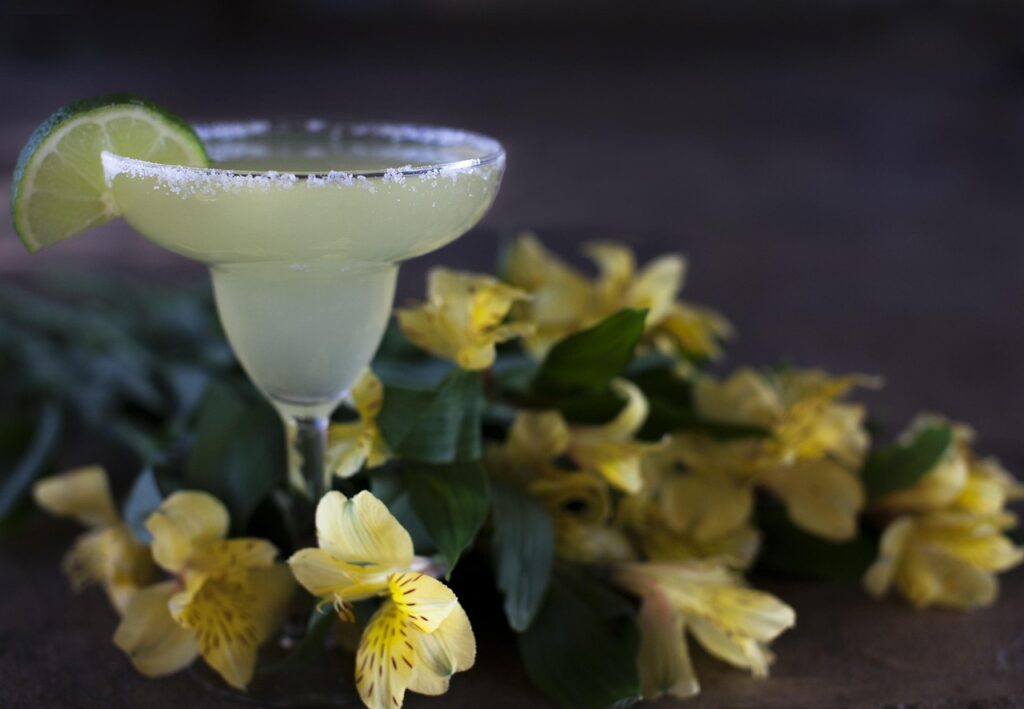
A chilled glass keeps the drink cold longer and preserves its clean flavor. The salted rim enhances each sip by highlighting the lime and balancing the sweetness. Using coarse salt or a combination of salt and sugar creates subtle differences in flavor and texture. Prepping the rim before mixing allows the drink to be poured immediately after shaking. Shaking the ingredients with ice chills the mixture quickly while adding just the right amount of dilution. This small dilution softens the alcohol edge and blends the citrus and liqueur.
Tweaks and Variations: Making the Margarita Yours
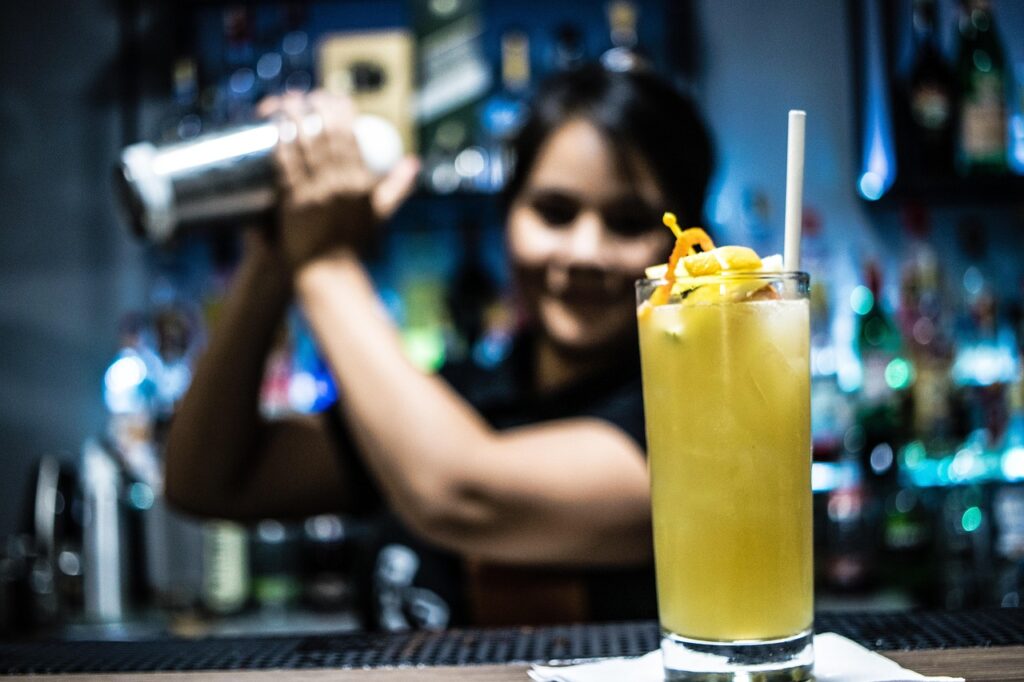
While the classic margarita is timeless, small personal adjustments can tailor the drink to individual preferences. Variations should always respect the drink’s core identity, which is built on bright citrus and smooth tequila. Minor tweaks allow the flavor to shift toward fruitiness, dryness, or warmth without losing its structure. Salt enhances the natural flavors of citrus and tequila even when added directly into the drink. A tiny pinch softens bitterness and creates a fuller taste. This addition should always remain minimal because too much salt disrupts the balance and overshadows the lime.
Personal preference plays a large role in sweetness levels. Some choose a drier margarita by reducing liqueur, while others prefer a fuller body with a touch more syrup. Adding a bit more lime juice can also brighten the drink if it tastes too heavy or sweet. These adjustments maintain the drink’s harmony when made thoughtfully. Fruit purees, infused syrups, and alternative orange liqueurs offer easy ways to change the drink’s character. Strawberry, mango, and spicy jalapeño versions are popular and build on the same foundation. Each variation should still rely on fresh lime and quality tequila to keep the drink balanced.
Serving Styles: Rocks, Frozen, or Pitcher
How a margarita is served influences not only texture but also flavor and dilution. Different formats work better for different settings. Choosing the right serving style ensures the drink maintains its intended balance from the first sip to the last. Serving a margarita over ice preserves its natural texture and makes it easy to appreciate each ingredient. As the ice melts slowly, it maintains a smooth balance without over diluting too quickly. This format highlights the quality of the tequila and lime.
Frozen margaritas rely on blended ice to create a slushy, refreshing texture. They work best when sweetness is slightly increased to compensate for dilution. This style delivers a colder, more dessert-like drink that suits warm climates or festive settings. Making margaritas in a pitcher requires scaling the ratios carefully to ensure the drink remains consistent. Fresh lime juice is essential because bottled versions become even more noticeable in larger batches. Keeping the pitcher chilled prevents the drink from becoming watery between servings.
Common Mistakes That Ruin a Margarita
Even a simple cocktail can go wrong when key details are overlooked. Many margarita mishaps stem from shortcuts that compromise freshness or imbalance the ratio. Avoiding these pitfalls ensures every batch remains crisp and flavorful. Premade mixes dull the natural citrus character and introduce excessive sweetness. Bottled lime juice lacks the acidity and brightness needed for a proper margarita. Freshly squeezed limes remain the only reliable option for clean, sharp flavor. Inexpensive tequila blends often taste harsh or overly alcoholic. These qualities stand out immediately in a margarita because the drink relies on simple ingredients.
References
- How to Make a Margarita on the Rocks, Step-by-Step – epicurious.com
- The Perfect Margarita – allrecipes.com
- I Drank My Way Through 6 Popular Margarita Recipes, and Found “The One” I’ll Be Sipping for Life – thekitchn.com