9 Freezer Rules For Keeping Meat Safe And Flavorful

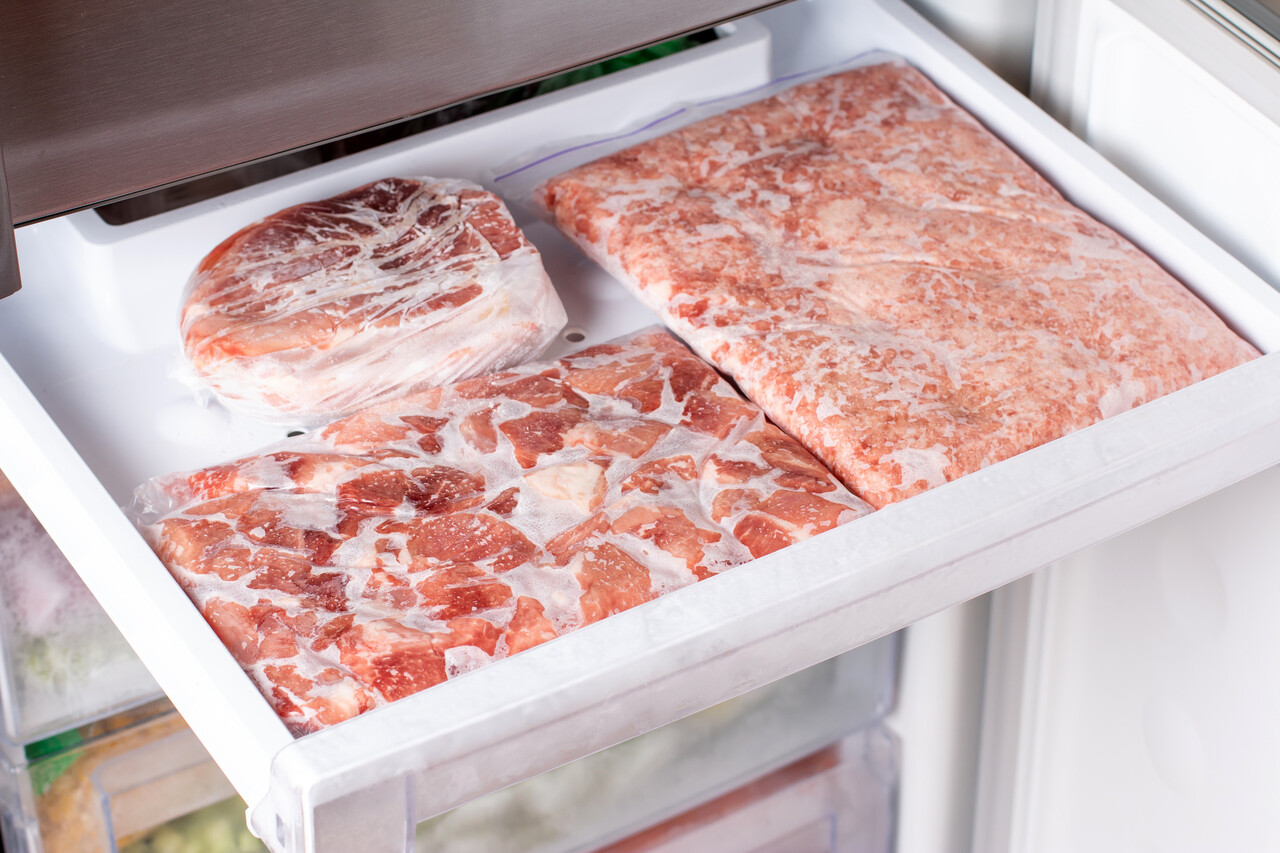
Freezing meat is one of the best ways to extend its shelf life, but not all freezer habits are created equal. Done incorrectly, meat can lose flavor, texture, and even safety. From the way you package cuts to how long you store them, small details matter. These freezer rules will help you preserve freshness, reduce waste, and ensure that every piece of meat tastes as good coming out of the freezer as it did going in.
1. Wrap Meat Tightly to Prevent Freezer Burn
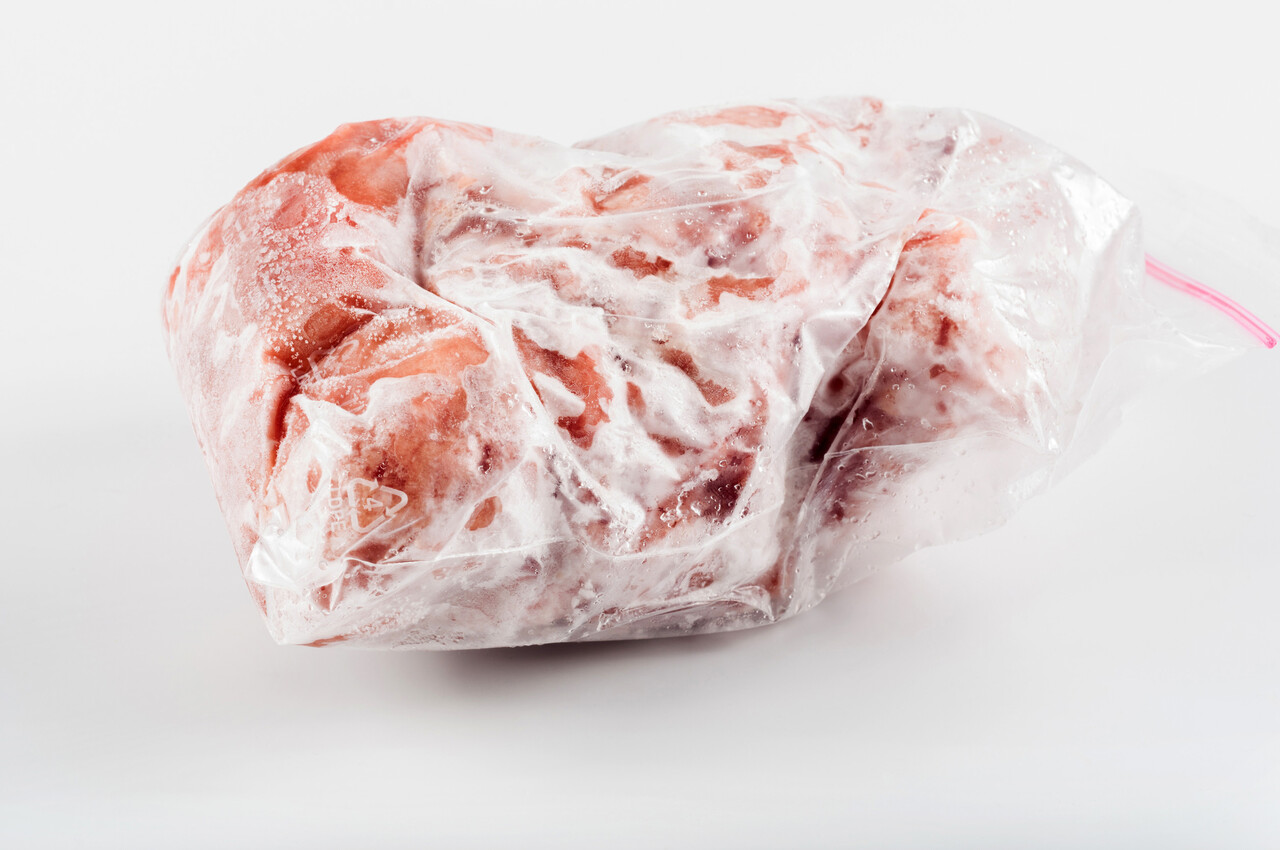
Air exposure causes freezer burn, which dries out meat and alters its taste. To prevent this, wrap each cut tightly in plastic wrap or butcher paper, pressing out as much air as possible before sealing. For extra protection, place wrapped meat in a freezer-safe bag and use the water-displacement method or a vacuum sealer to remove lingering air. A double layer helps lock in moisture and flavor. Proper wrapping ensures that when you thaw your meat later, it cooks up tender, juicy, and closer to its original quality.
2. Label Packages With Dates and Details
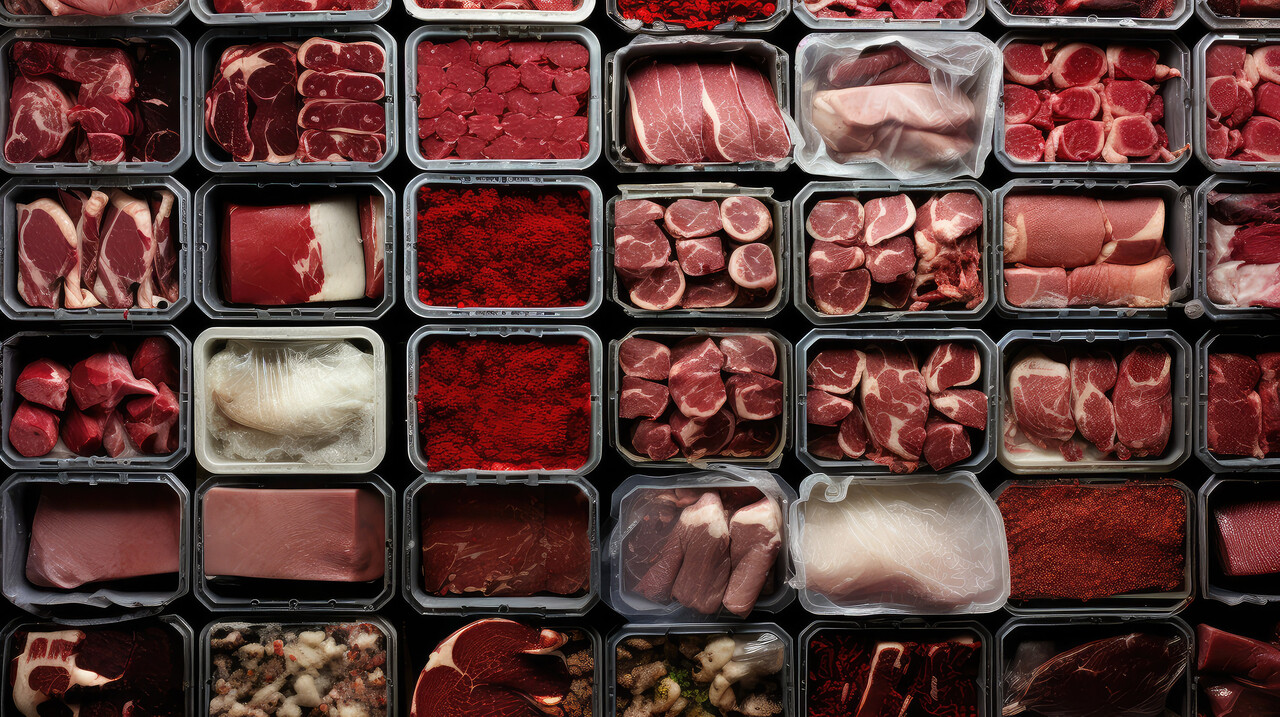
It is easy to lose track of what is stored in your freezer. Clear labeling prevents confusion and keeps your system organized. Write the type of meat, the cut, and the date it was frozen directly on the package with a permanent marker. This simple habit helps you rotate your stock so older items are used before newer ones. Labeling also makes meal planning faster, since you can quickly see what is available. By dating and identifying every package, you minimize waste and ensure that nothing gets forgotten at the bottom of the freezer.
3. Use Freezer-Safe Packaging, Not Regular Bags
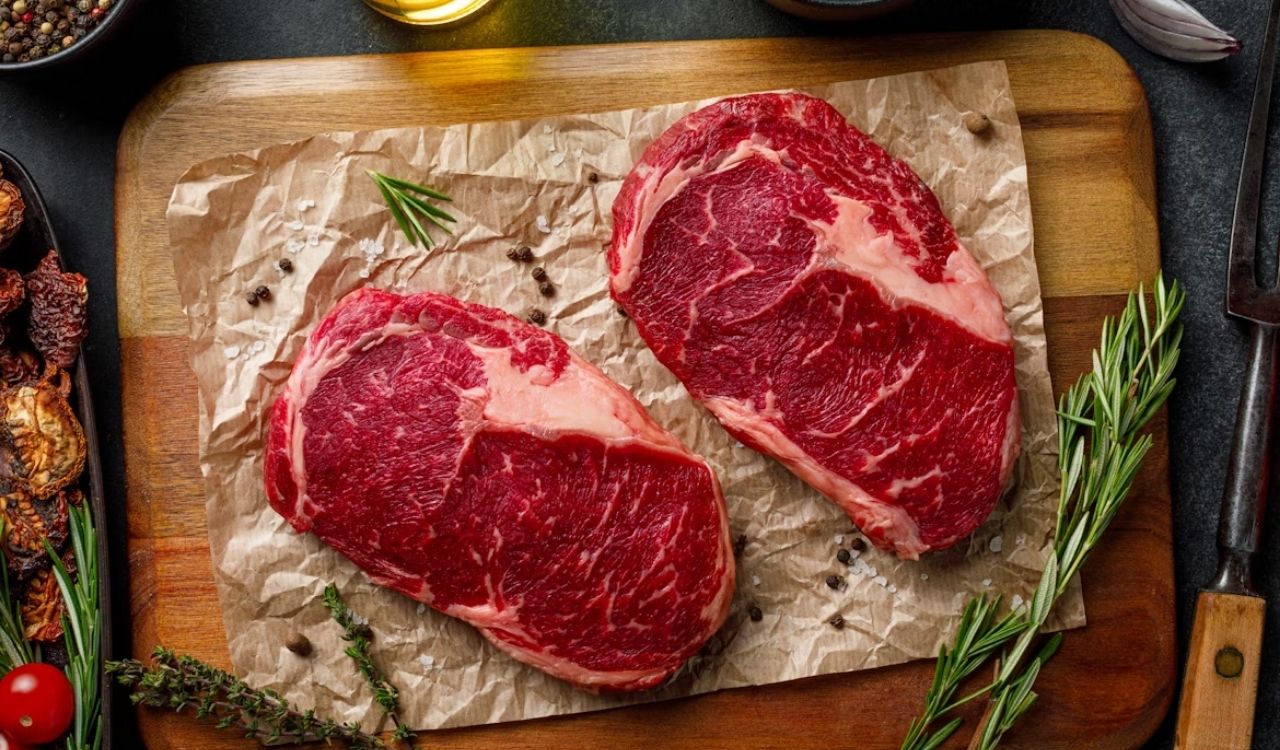
Regular plastic bags or thin wraps allow air and moisture to seep through, which leads to freezer burn and flavor loss. Instead, choose bags or containers specifically labeled as freezer-safe. These are thicker and designed to withstand cold temperatures for months. Rigid plastic containers work especially well for ground meats, stews, or marinated cuts. Using the right packaging keeps meat fresh, prevents odor transfer between foods, and protects texture. Though they may cost a little more upfront, freezer-grade materials save money long-term by preserving the quality of what you store.
4. Freeze Meat in Small Portions for Faster Thawing
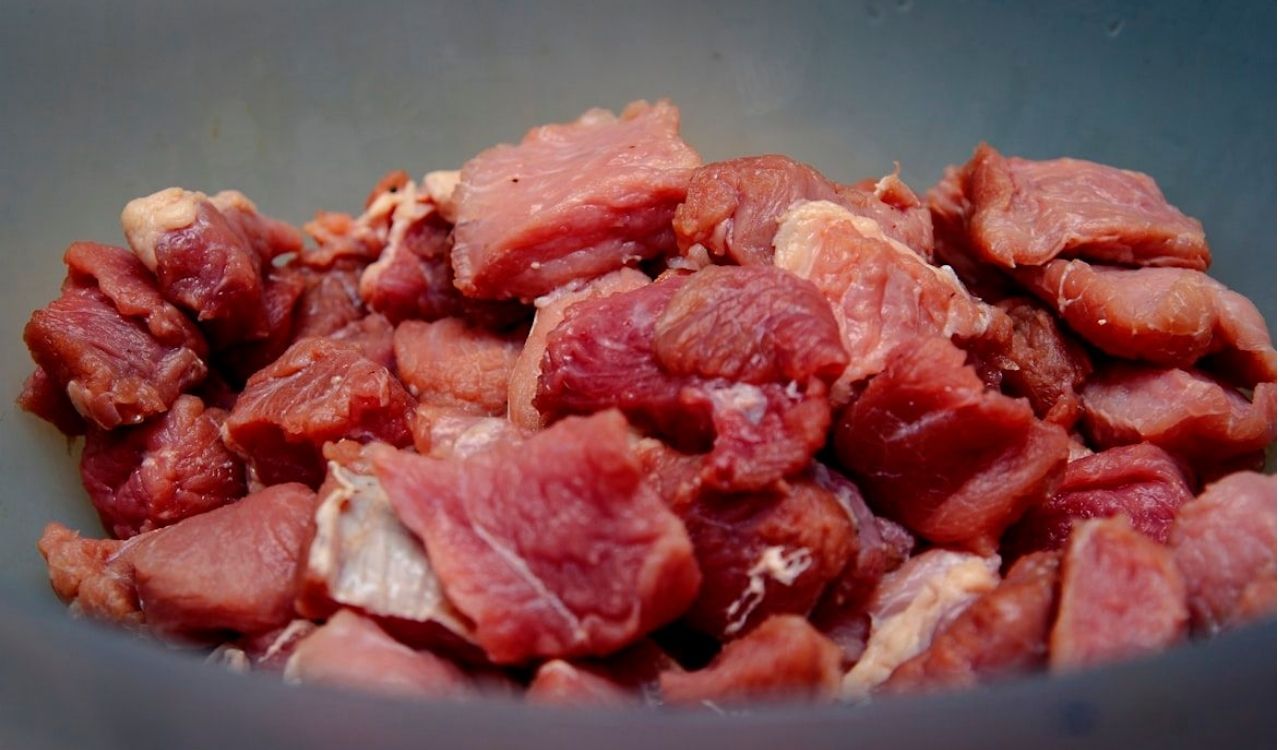
Large cuts of meat take longer to freeze and thaw, increasing the risk of uneven texture and bacterial growth. Dividing meat into smaller, meal-sized portions makes it easier to defrost only what you need, which reduces waste. Thinner packages also freeze more quickly, locking in natural juices and flavor. Ground beef, chicken breasts, or steaks can be separated with parchment paper before sealing so they do not stick together. Having individual servings ready to go makes weeknight cooking more convenient and ensures you always have manageable cuts waiting in the freezer.
5. Keep the Freezer at a Consistent 0°F or Below
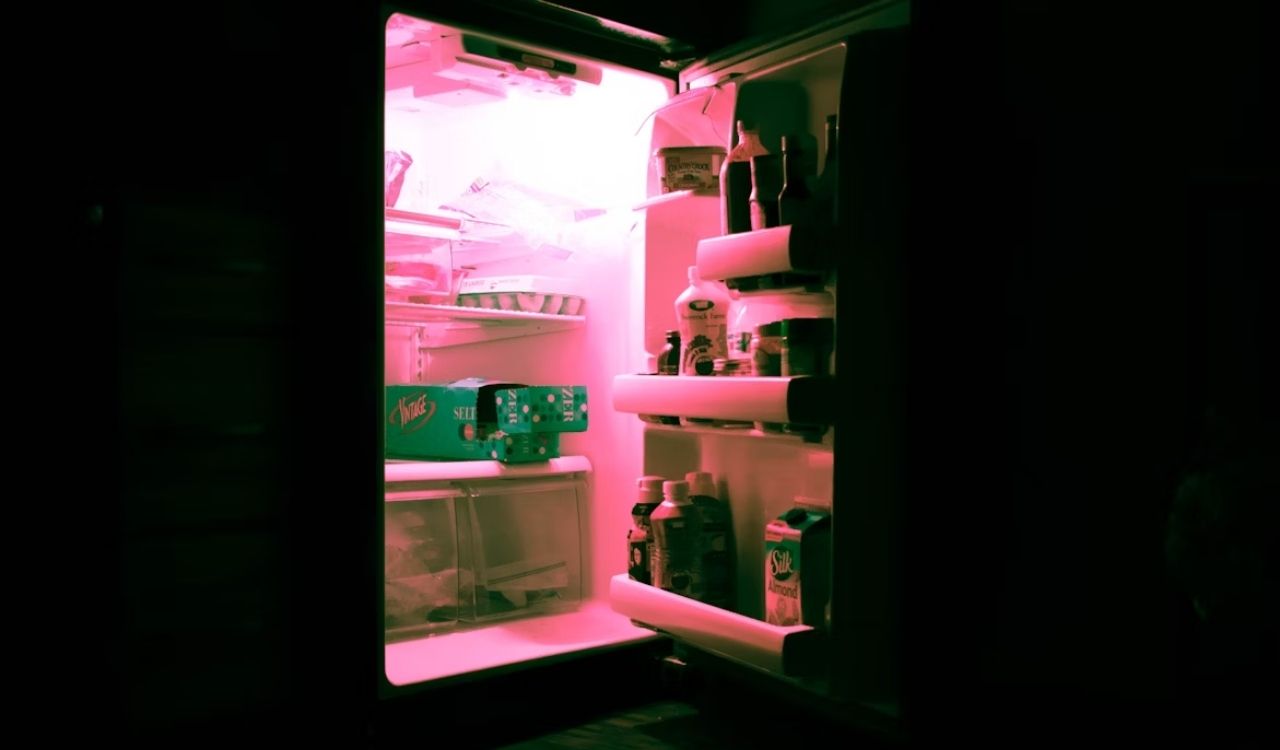
Temperature control is one of the most important parts of freezing meat. For both safety and quality, freezers should stay at 0°F or below. Because dials are often imprecise, use an appliance thermometer to confirm accuracy. Fluctuating temperatures can allow bacteria to grow and shorten the storage life of your food. Avoid leaving the freezer door open for long periods to maintain consistent cold. Keeping a steady low temperature slows enzyme activity, preserves freshness, and ensures that your meat will be safe and flavorful when it is time to cook.
6. Avoid Refreezing Raw Meat Whenever Possible
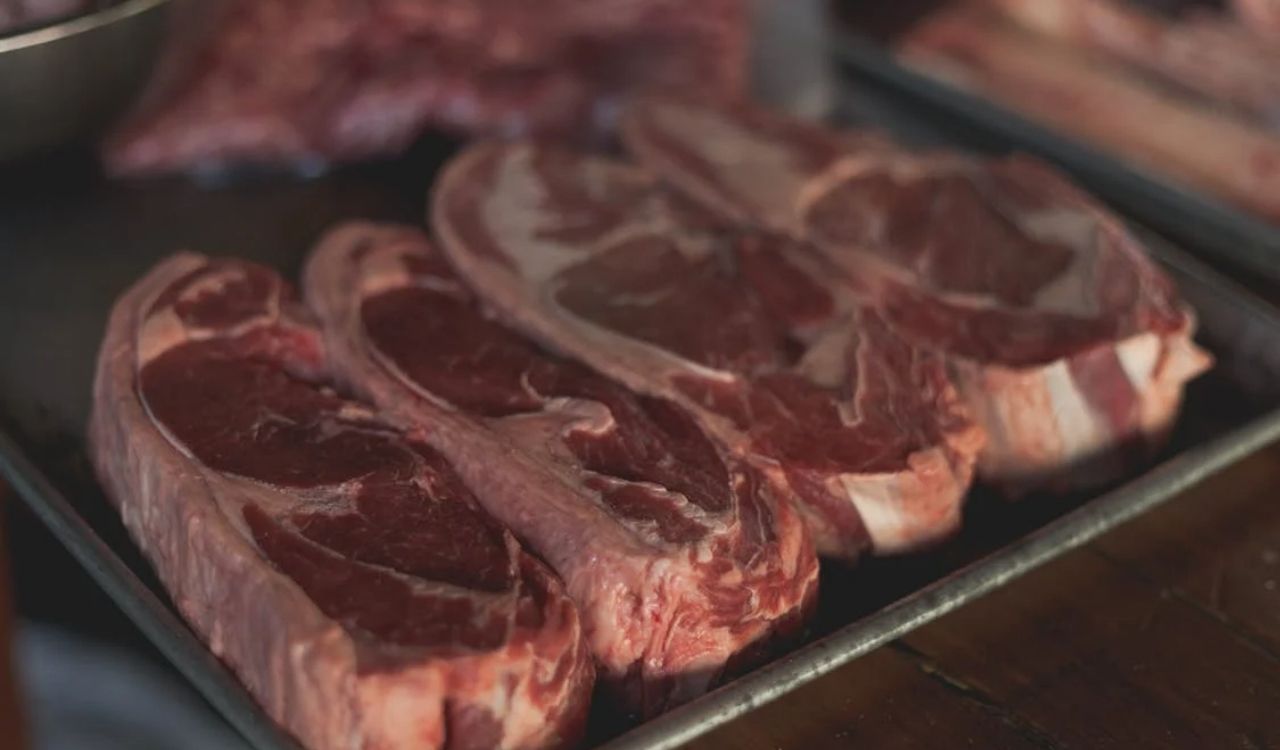
Technically, raw meat thawed in the refrigerator can be refrozen safely, but the quality often declines with each cycle. Texture becomes grainy, flavor fades, and moisture loss increases. For this reason, it is better to cook thawed meat rather than put it back in the freezer. To avoid the issue entirely, freeze smaller portions so you only defrost what you plan to use. Cooked leftovers can be frozen again, though you may notice some changes in tenderness. Keeping refreezing to a minimum helps your meat taste closer to fresh.
7. Store Meat Away From the Freezer Door
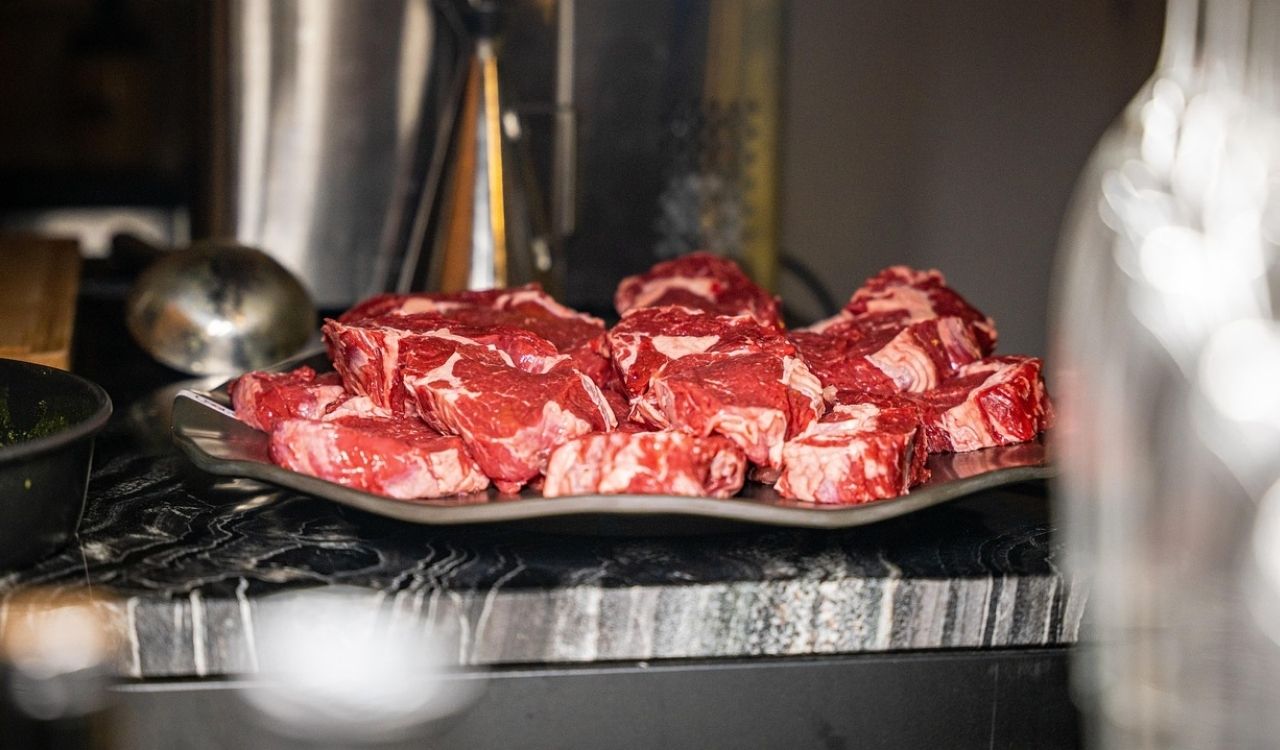
Placement inside the freezer matters more than you may think. The door is the warmest spot, as it is exposed to room air every time it opens. Meat stored there is at greater risk of partial thawing and refreezing, which affects both safety and flavor. Instead, keep meat in the coldest part of the freezer, usually near the back or bottom. Raw meat should also be stored separately from ready-to-eat foods to prevent cross-contamination. Good organization ensures steady temperatures and helps your freezer run more efficiently.
8. Use Meat Within Recommended Freezer Times
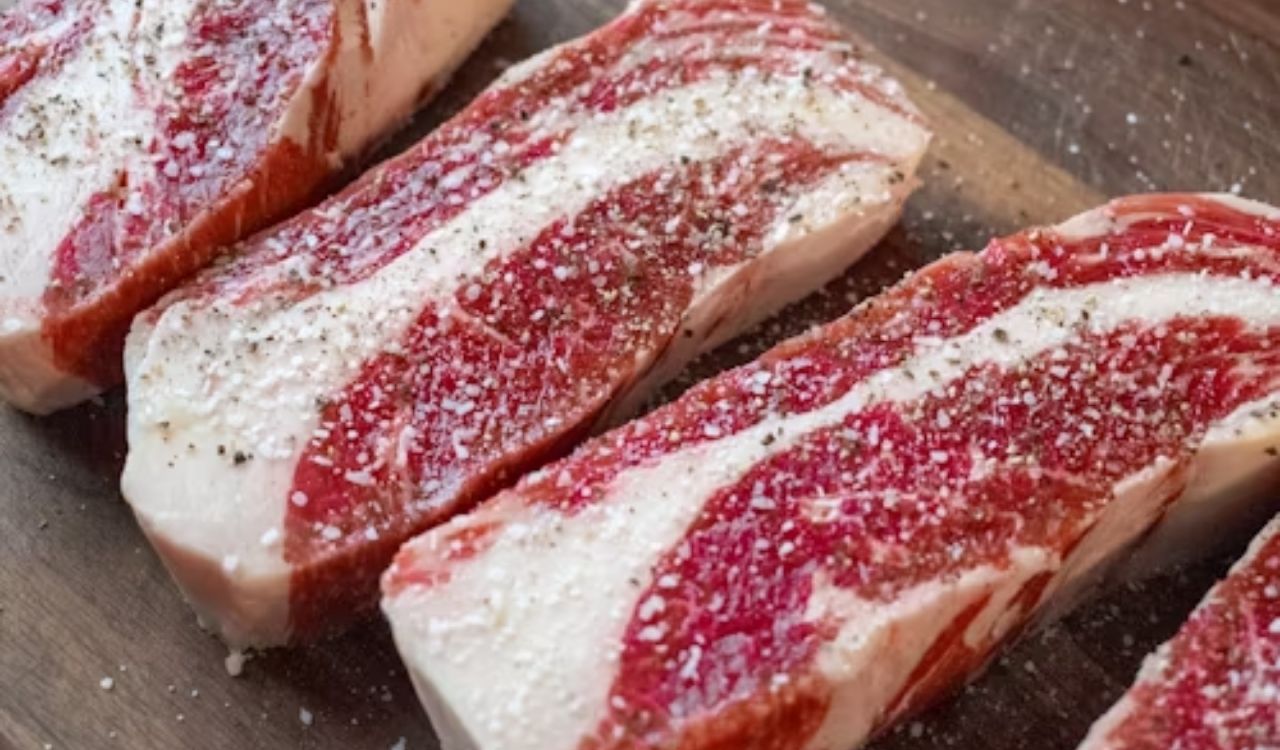
While frozen meat stays safe indefinitely, its quality does not last forever. Ground meats should be used within three to four months, while roasts and steaks generally hold up for six to twelve months. Poultry keeps its best flavor for nine months to a year. Keeping a freezer inventory list helps you track what you have and avoid items being buried and forgotten. Following these timelines ensures that meat is still tender and flavorful when it makes its way from the freezer to your table.
9. Cool Meat Before Freezing to Lock in Quality
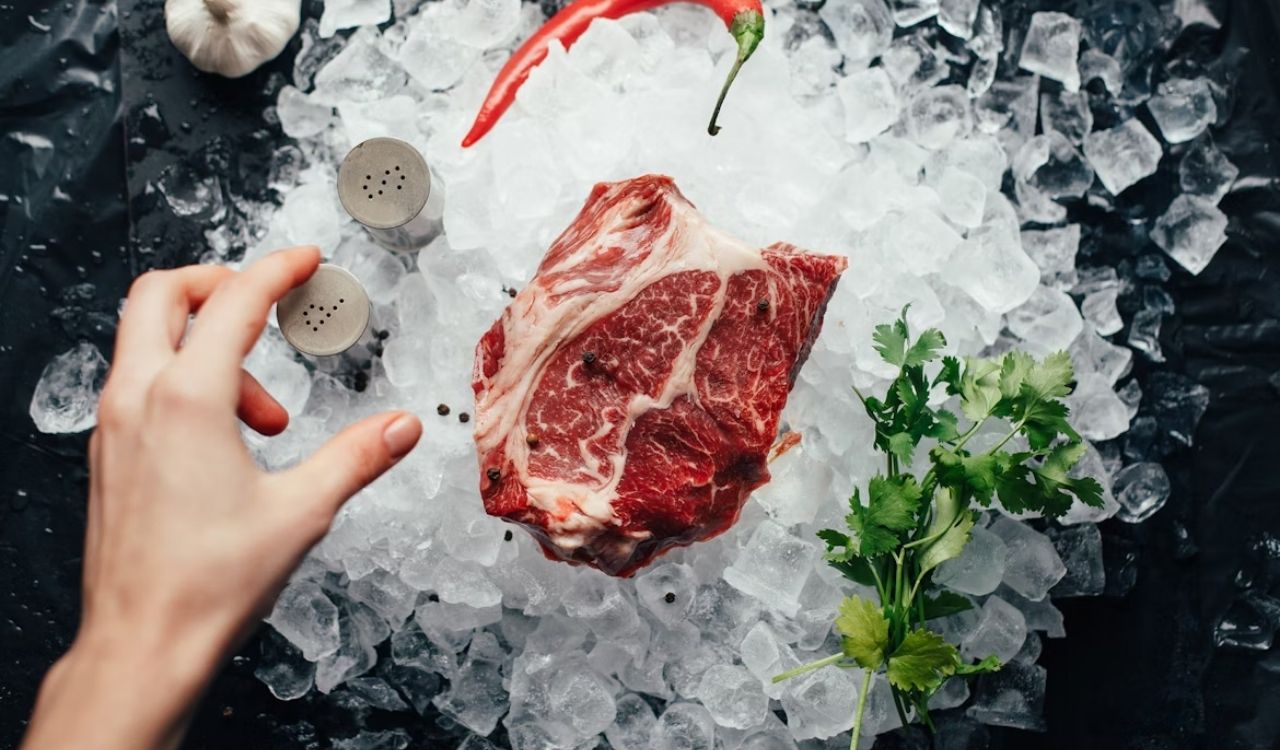
Placing hot or warm meat directly in the freezer can raise the overall temperature inside, putting surrounding items at risk of partial thawing. It also leads to larger ice crystals forming in the meat, which can damage the texture once thawed. Always let cooked meat cool in the refrigerator first before transferring it to the freezer. For raw cuts, make sure they are chilled and dry on the surface to prevent excess frost buildup. Cooling before freezing helps preserve tenderness, flavor, and overall food safety.