8 Pre Prohibition Cocktails Everyone Should Know
Pre-Prohibition cocktails remain some of the most influential drinks in modern mixology, not because of nostalgia but because their foundations still work beautifully today. Built on thoughtful ratios, straightforward methods, and ingredients that highlight rather than hide flavor, these classics reveal why early bartenders valued precision and restraint. Their enduring appeal comes from how well they balance spirit, citrus, sweetness, and aroma. Whether stirred or shaken, each cocktail showcases a timeless approach to craft that continues to impress.
1. Old Fashioned
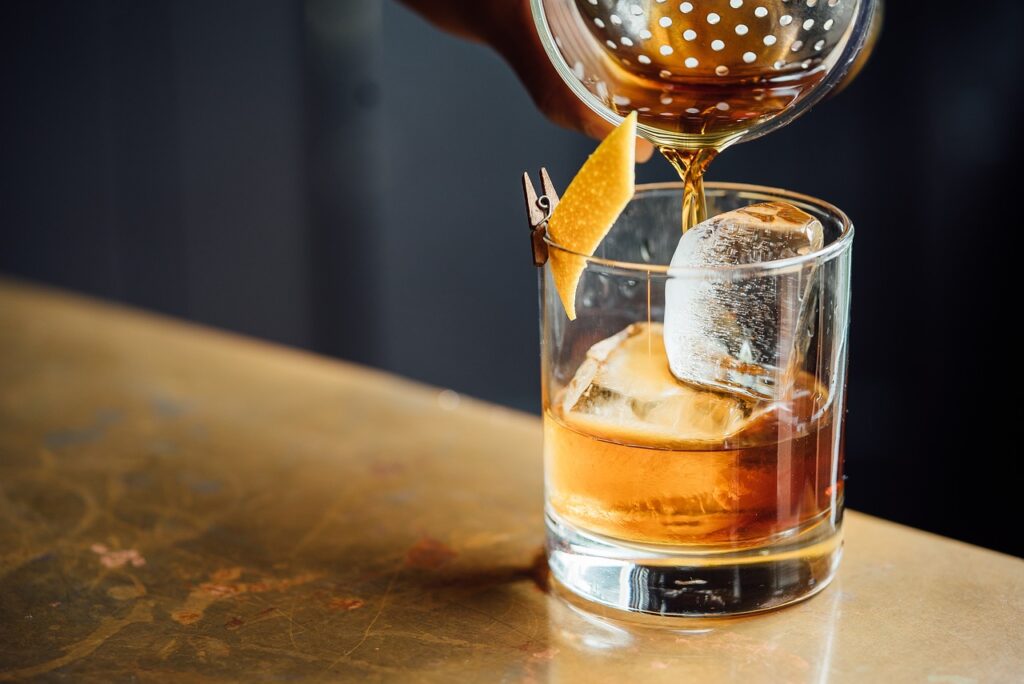
The Old Fashioned remains one of the most enduring pre-Prohibition cocktails because its structure highlights the spirit rather than hiding it. Built on whiskey, sugar, and bitters, it demonstrates how balance can emerge from minimal ingredients when proportions are handled thoughtfully. Stirring the drink instead of shaking keeps the texture smooth while controlling dilution, which allows the whiskey’s depth to stay at the forefront. A citrus peel adds aroma without overwhelming the base, giving the drink dimension through scent rather than sweetness. Guests often appreciate the Old Fashioned because it feels both familiar and polished, offering a clear expression of the spirit’s character.
2. The Last Word
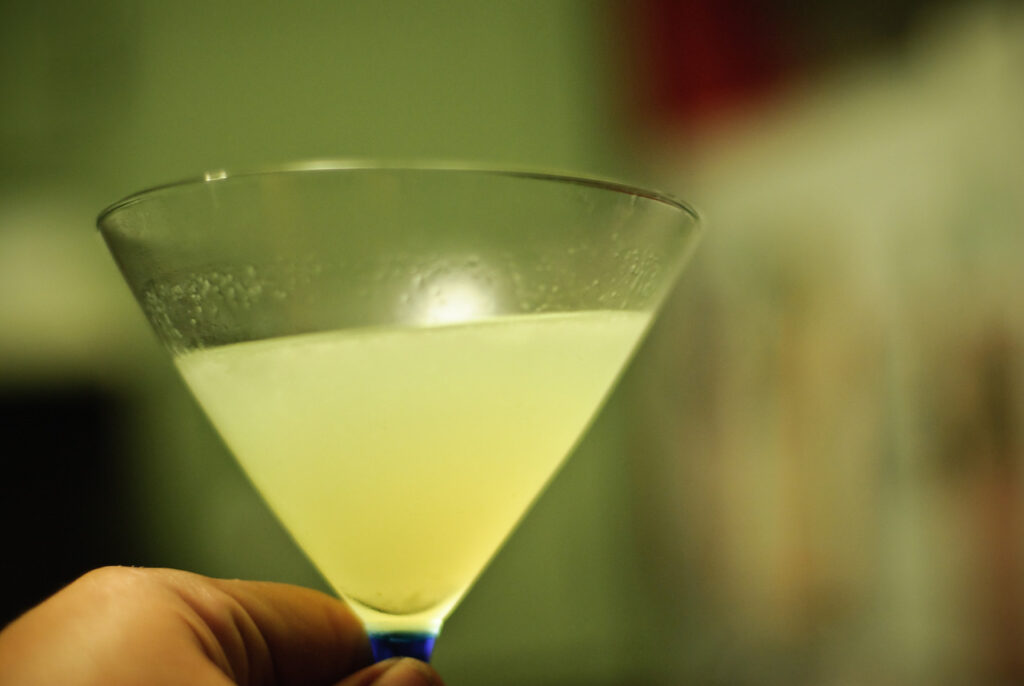
The Last Word stands out because of its equal parts structure, a ratio that ensures flavor harmony across ingredients that might otherwise compete. Gin provides a botanical foundation, while green Chartreuse brings herbal intensity that deepens as it warms in the glass. Maraschino liqueur adds subtle nuttiness, and fresh lime offers acidity that keeps the drink bright. Shaking the cocktail chills and integrates the components quickly, producing a pale green color that catches the eye before the first sip. Guests often find this drink memorable because its complexity unfolds gradually, revealing layers that persist from start to finish.
3. Gin Rickey
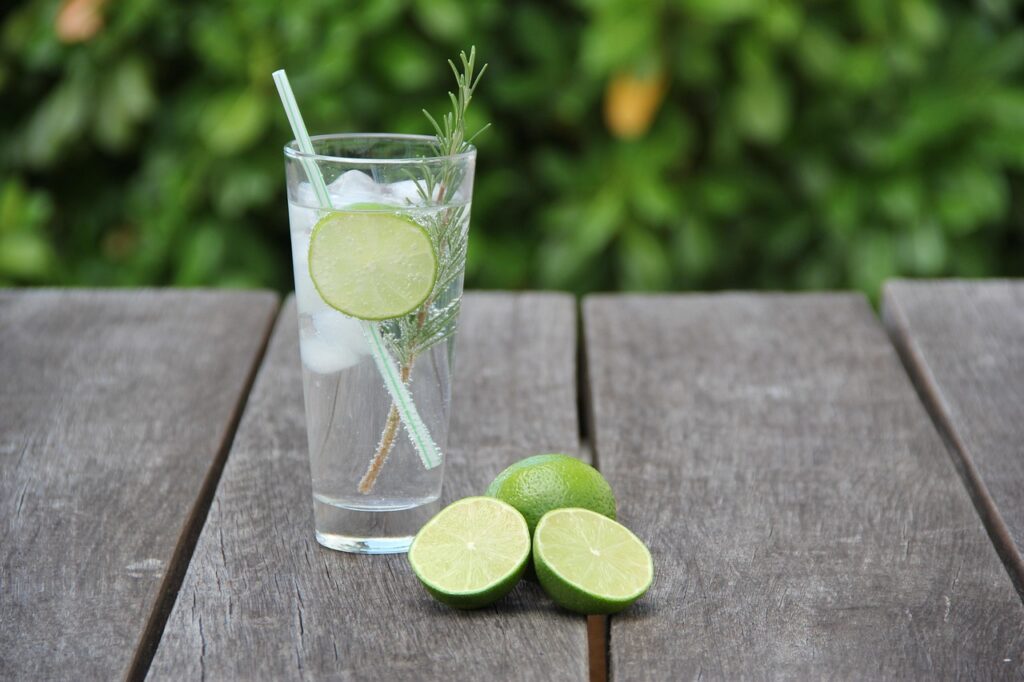
The Gin Rickey remains a classic because it relies on the natural qualities of gin rather than masking them with sugar or heavy mixers. Combining gin, lime juice, and soda water produces a drink that is crisp, dry, and refreshing. The carbonation lifts the botanicals in the gin, while the lime provides structure without adding excessive sweetness. This approach results in a cocktail that feels clean and invigorating, especially in warm weather or at events where lighter drinks are preferred. Its simplicity makes it easy to execute consistently, and the highball format keeps presentation understated and timeless. Guests often appreciate its straightforward flavor and the way it highlights gin’s character with clarity and restraint.
4. Bee’s Knees
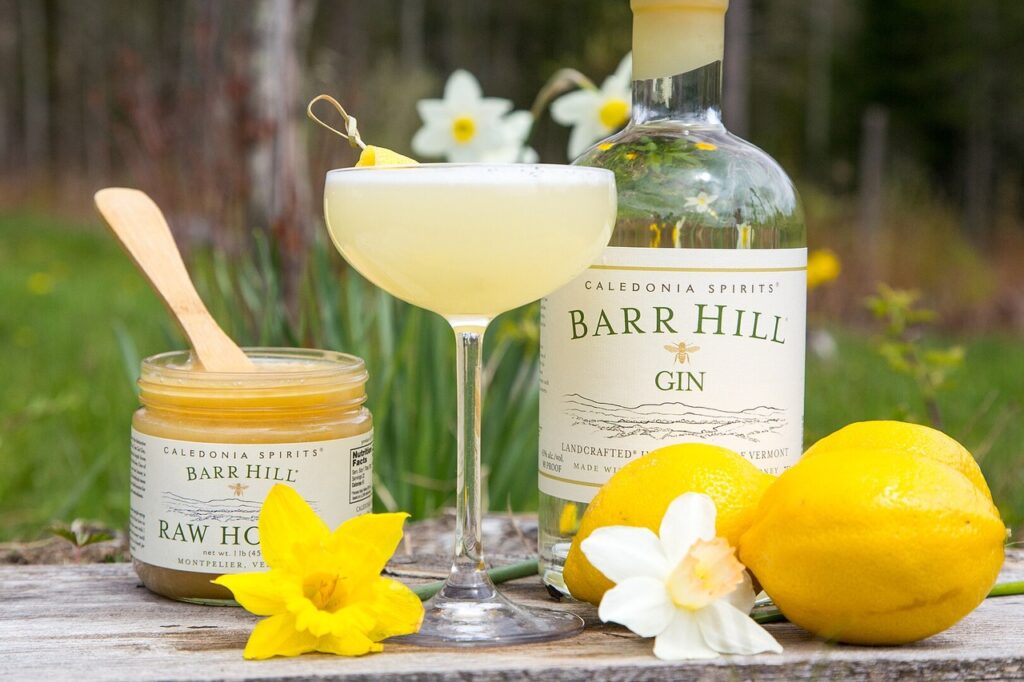
The Bee’s Knees earns its place among pre-Prohibition cocktails because it demonstrates how thoughtful ingredients can elevate simple construction. Gin forms the base, but the combination of lemon juice and honey syrup softens the edges, creating a rounder and more aromatic profile. Honey introduces floral notes that interact with the botanicals in the gin, while lemon adds the acidity needed for balance. Shaking the cocktail chills it thoroughly and produces a smooth, cohesive texture. This drink became especially popular during the Prohibition era when honey helped cover the roughness of lower-quality spirits, but today it remains valued for its natural harmony.
5. Sidecar
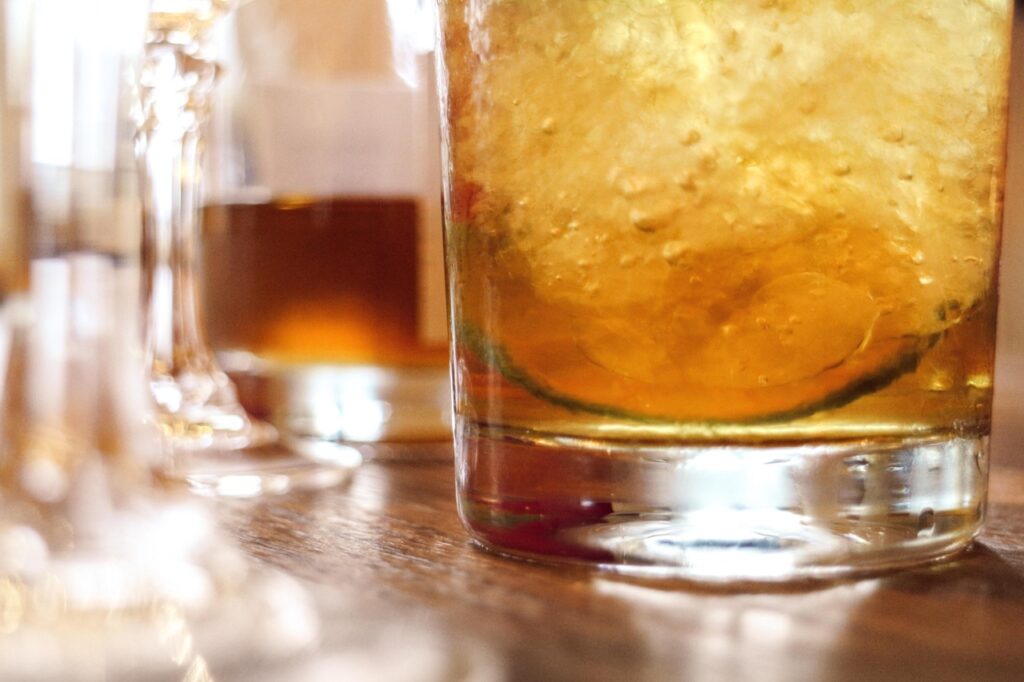
The Sidecar consistently impresses because it showcases how citrus and spirit interact when handled correctly. Brandy or cognac serves as the foundation, bringing warmth and richness, while triple sec adds a controlled sweetness that never overwhelms. Fresh lemon juice provides the acidity needed to bring the components into focus. When shaken, the mixture becomes crisp and well integrated, producing a cocktail with clearly defined layers. The sugared rim, though optional, adds visual appeal and a subtle contrast in the first sip. Guests often gravitate toward the Sidecar because it offers a refined balance between strong, sweet, and sour elements.
6. French 75
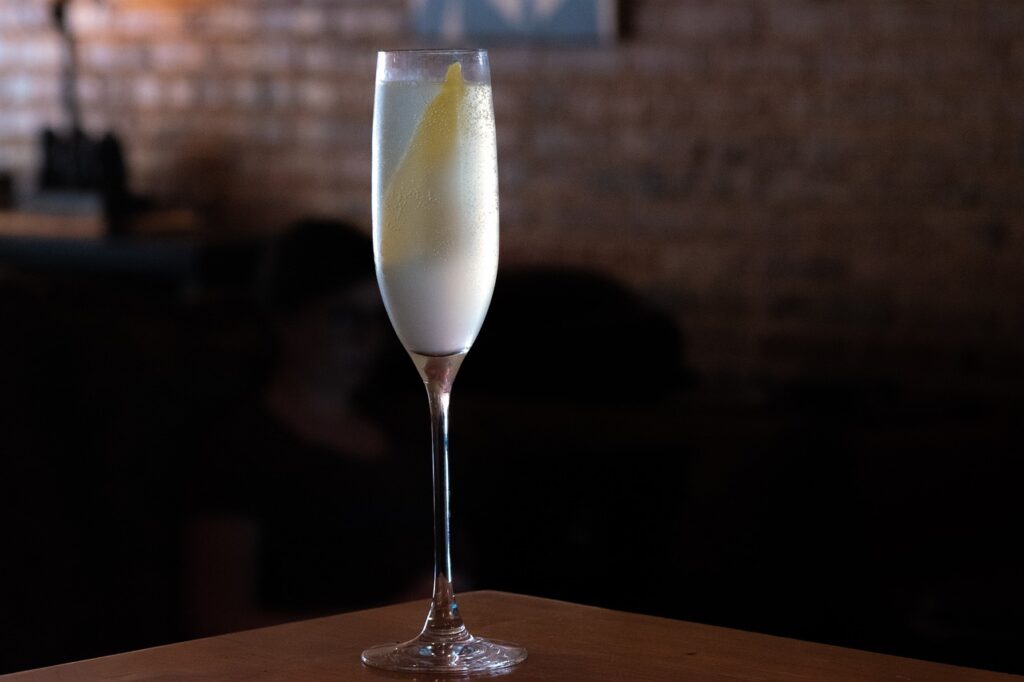
The French 75 stands out due to its blend of effervescence and spirit-forward character. Gin provides the base, but the addition of citrus and sparkling wine elevates the drink into something celebratory. The bubbles introduce lift and texture, while the gin contributes botanical depth that keeps the drink from becoming overly delicate. Shaking the gin and citrus before adding sparkling wine ensures clarity and balance. The final presentation in a flute gives the cocktail an elegant silhouette that suits formal gatherings. Guests appreciate the French 75 for its refreshing brightness and the way it bridges the gap between classic cocktails and sparkling toasts, making it versatile for many occasions.
7. White Lady
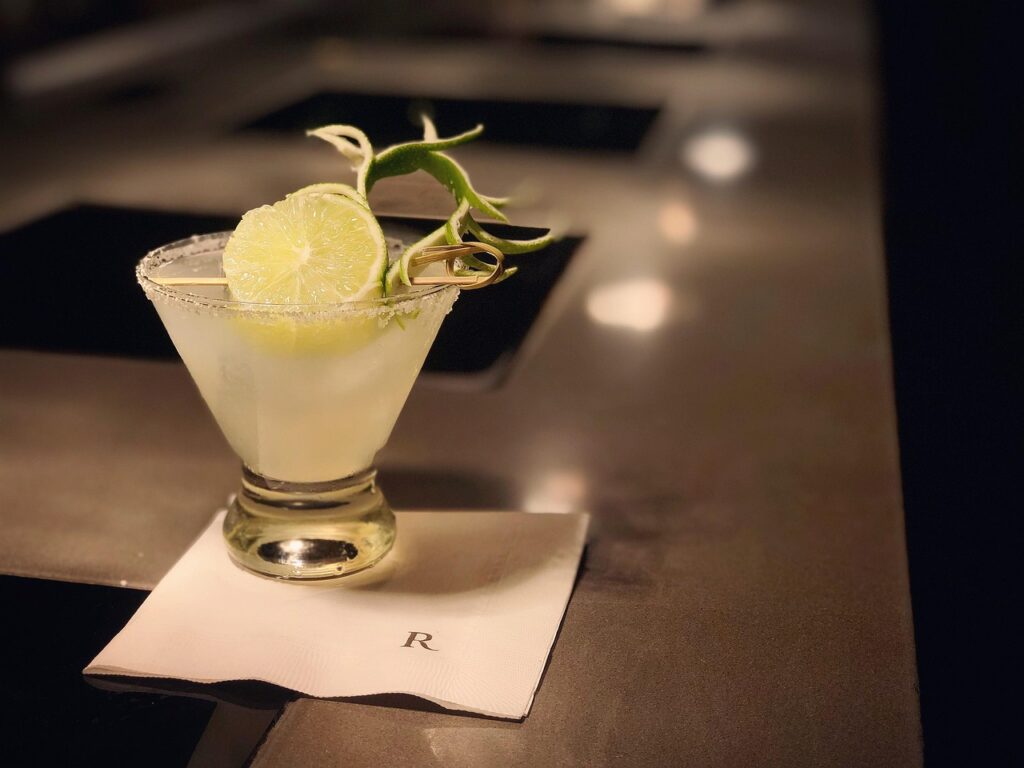
The White Lady earns its reputation through clean flavors and a smooth, unified texture. Gin forms the backbone of the drink, while triple sec and lemon juice provide sweetness and acidity in measured amounts. When shaken vigorously, the ingredients blend into a pale, silky mixture that feels refined without being heavy. Some variations incorporate egg white, which adds body and a soft foam, though the drink remains balanced even without it. Guests often enjoy the White Lady because it delivers clarity of flavor and elegant simplicity, offering something accessible yet noticeably polished. Its structure highlights how well gin pairs with citrus when handled with precision.
8. Sazerac
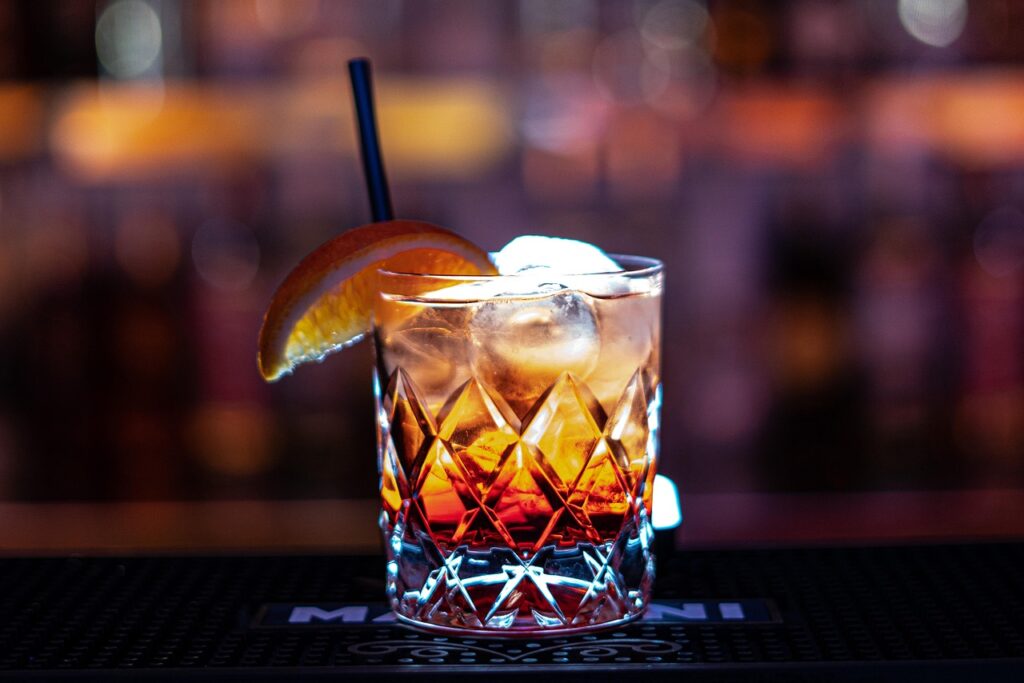
The Sazerac remains one of the most iconic American cocktails because it captures both technique and tradition. Rye whiskey or cognac forms the base, bringing depth and spice, while a small amount of sugar and Peychaud’s bitters shape the flavor without altering its strength. The preparation method, which includes rinsing the glass with absinthe, introduces an aromatic layer that enhances the overall experience without dominating the profile. Stirring rather than shaking maintains a smooth, spirit-forward texture. Guests often appreciate the Sazerac for its historical significance and its bold yet balanced character.