8 Florida Tourist Trap Foods vs 8 Local Favorites
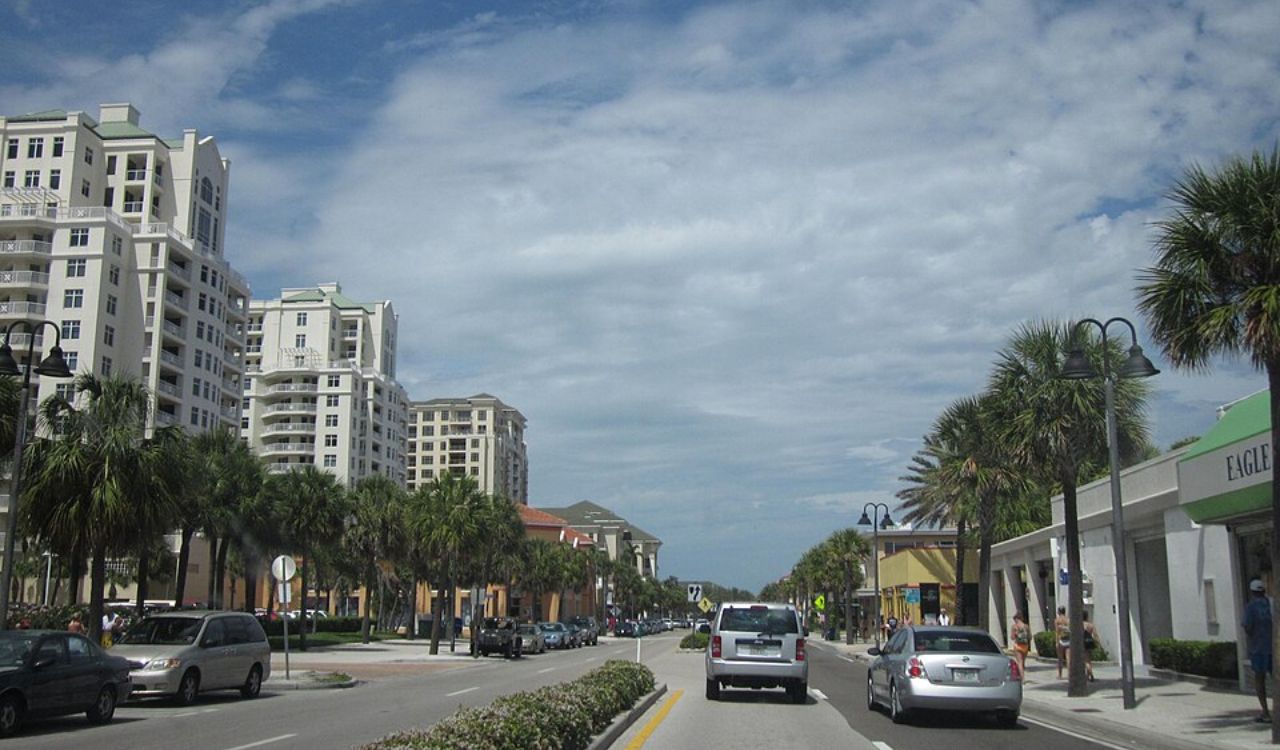
Florida may be famous for its sunshine, theme parks, and ocean views, but its food scene can be a mixed experience, especially for visitors who rely on flashy menus and beachside signs to choose where to eat. Many restaurants in high traffic destinations focus on presentation and novelty rather than flavor or quality, which leads to dishes that look appealing in photos but fail to deliver the authentic tastes locals know and love. At the same time, Florida is full of genuinely delicious staples shaped by Latin, Caribbean, Southern, and coastal seafood traditions. By learning which foods fall into the tourist trap category and which dishes residents actually seek out, travelers can enjoy meals that reflect the real Florida rather than the version marketed to vacationers.
1. Conch Fritters Sold at Boardwalk Stands
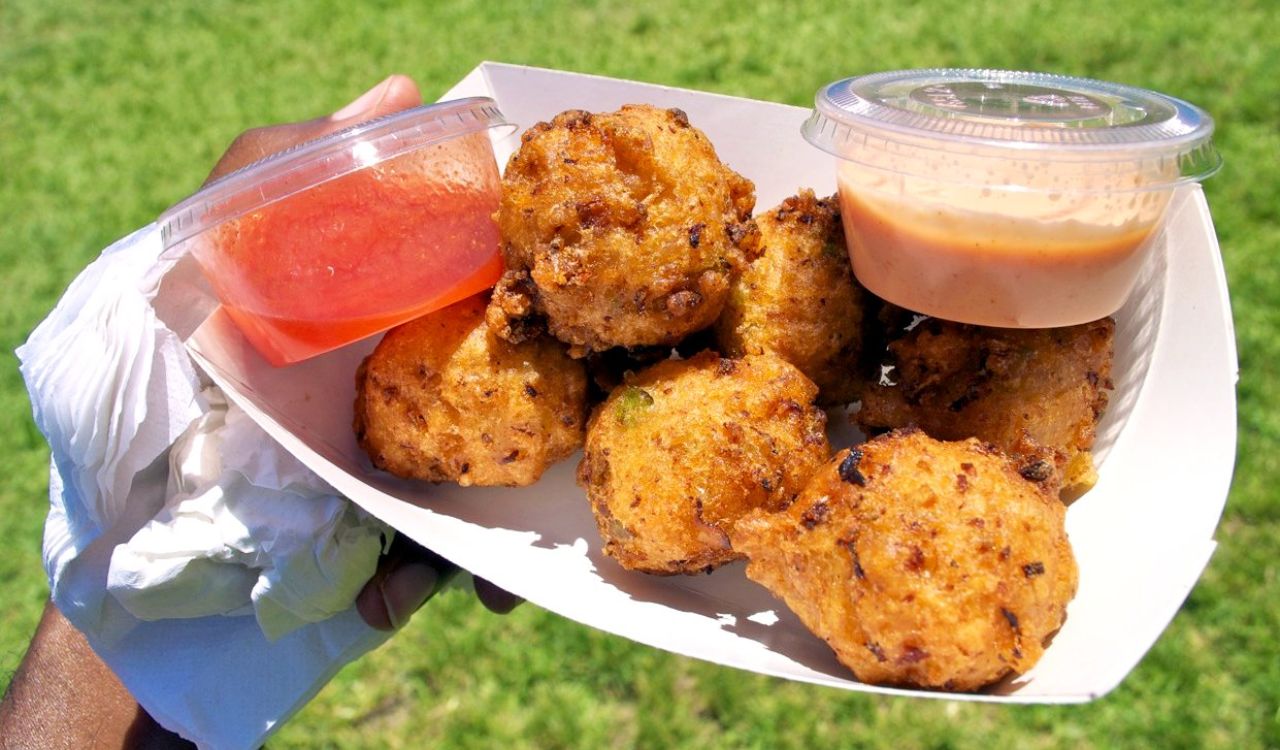
Conch fritters are widely promoted as a Florida Keys favorite, yet the versions sold at high traffic boardwalks are usually made with more batter than conch. These fritters are frequently pre-made, frozen, and reheated to handle large tourist crowds, which leads to a heavy texture and a mild flavor that barely hints at seafood. Many stands advertise them with bold signs or colorful baskets, but the taste rarely matches the hype. Because the batter is often thick and oily, the fritters can feel dense rather than delicate. Locals know that truly enjoyable conch fritters require fresh meat and careful preparation, neither of which is common at quick service tourist locations.
2. Bright Green Key Lime Pie Slices
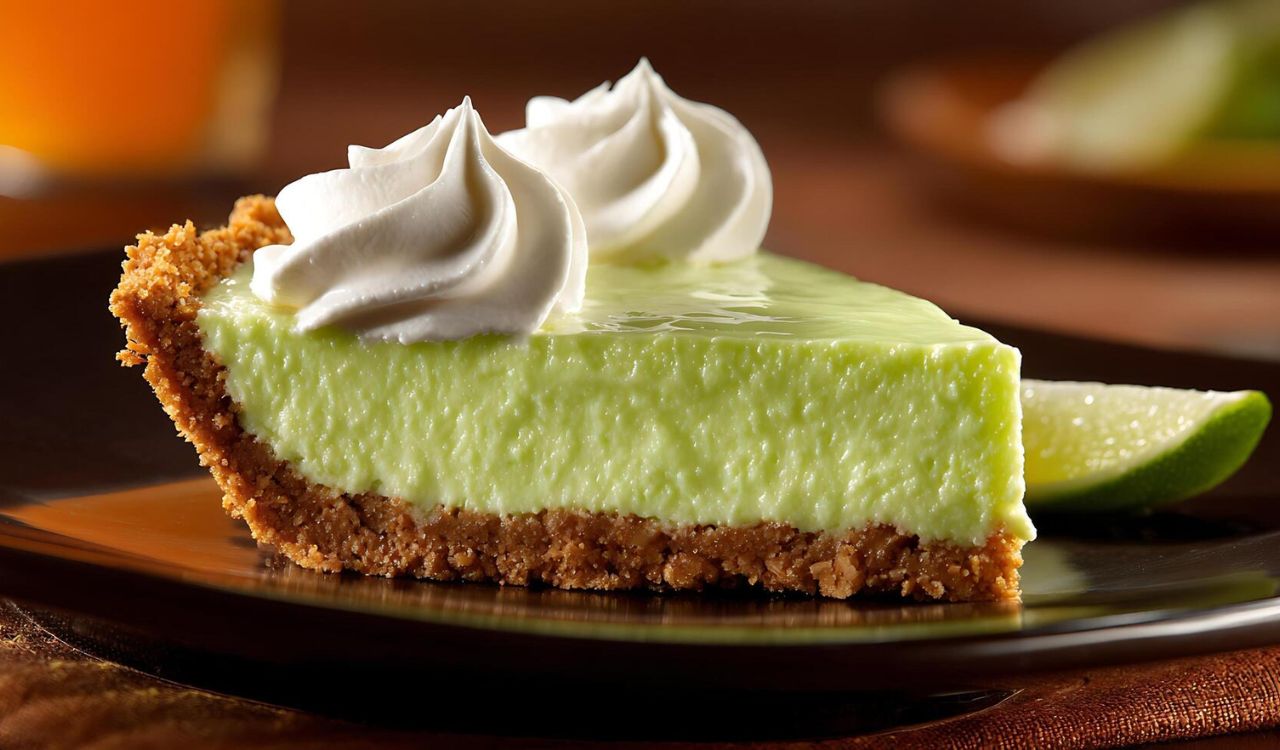
Many visitors try Key lime pie only to encounter a bright green version that is nothing like the classic Florida dessert. Authentic Key lime pie is pale yellow because it is made with genuine Key lime juice. Tourist zones, however, often sell pies that rely on bottled flavoring, corn syrup, and artificial coloring to create an eye catching dessert that can sit in a display case for long periods. While these pies may attract attention, their heavy sweetness and artificial lime taste leave little of the tangy citrus flavor Florida is known for. Locals usually avoid these slices entirely since they know real Key lime pie tastes refreshing, not overly sugary.
3. Giant Fried Seafood Sample Platters
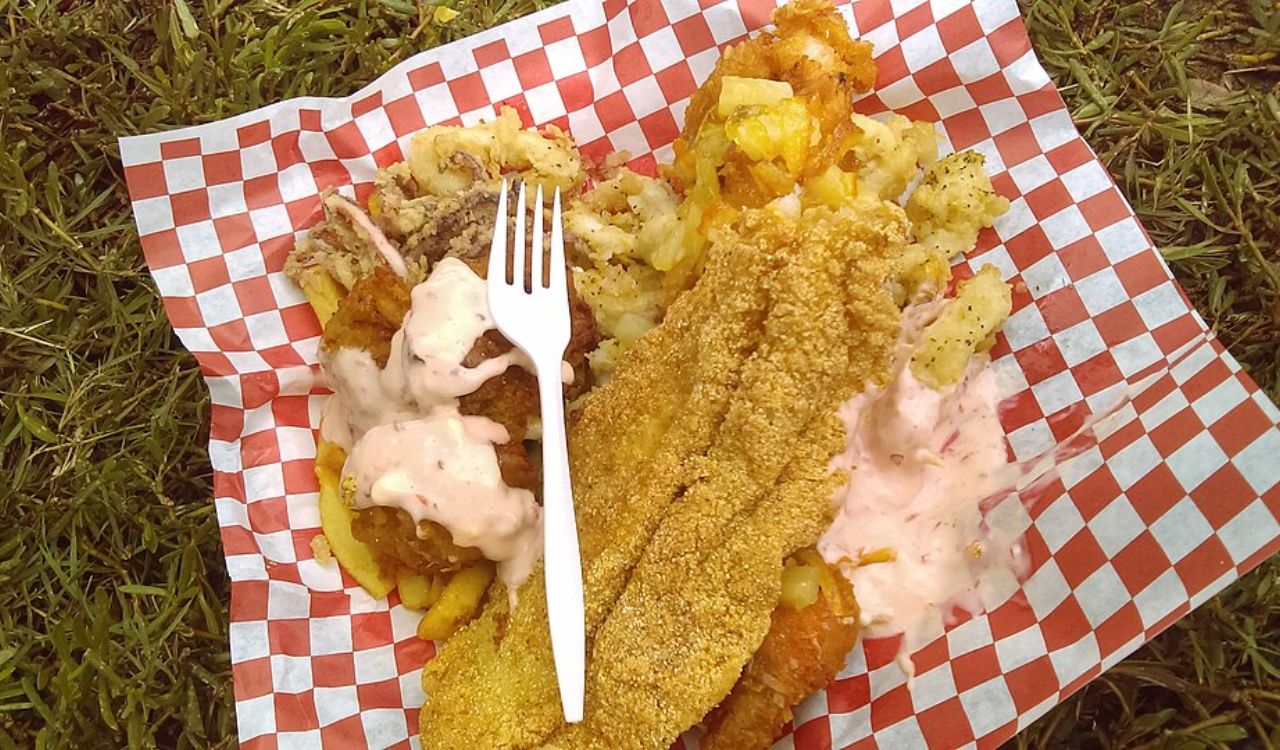
Huge platters piled high with fried shrimp, fish, clams, and gator bites are a common sight near beaches and boardwalks. These dishes appeal to travelers who want to try a variety of seafood at once, but they are often made with frozen ingredients and coated in thick batter to mask inconsistencies in texture. The seafood is frequently cooked in oil that has been used throughout a busy day, which results in a greasy taste. While the platter looks impressive in photos, it rarely reflects the flavor of Florida’s fresh coastal seafood. Locals tend to skip these mixed platters because they know that simple, freshly prepared seafood has far better flavor than heavily fried assortments designed for tourists.
4. Chain Style Cuban Sandwiches Near Tourist Strips
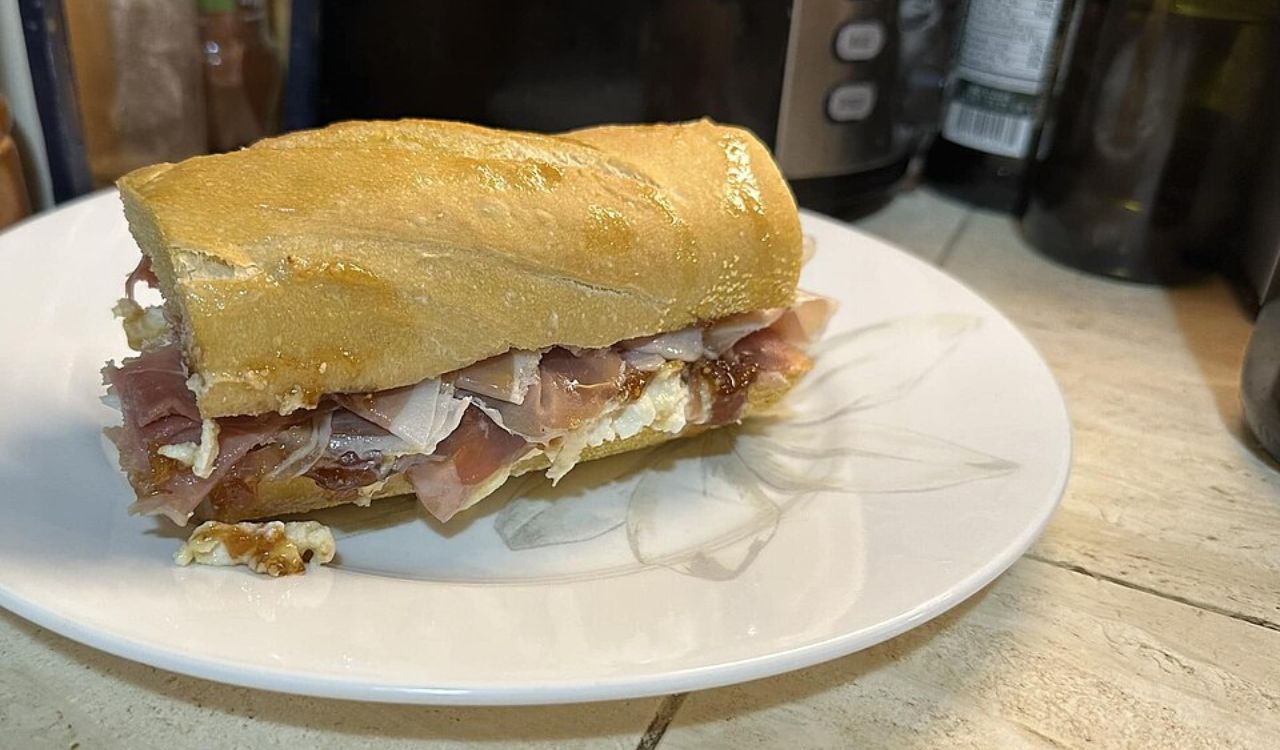
Florida is known for its Cuban sandwiches, but visitors exploring the most crowded areas often encounter versions that are far from authentic. Tourist oriented restaurants tend to use inexpensive deli meats, untoasted bread, and overly salty pickles, producing sandwiches that lack the balance and texture that make the real dish special. These sandwiches are often paired with large sides or combo deals rather than being pressed and served traditionally. Locals rarely order Cuban sandwiches from chain restaurants because they know the real versions found in Miami, Tampa, and family owned cafes use slow roasted pork, crisp pressed bread, and ingredients handled with care.
5. Pre-Packaged Seafood Boil Buckets
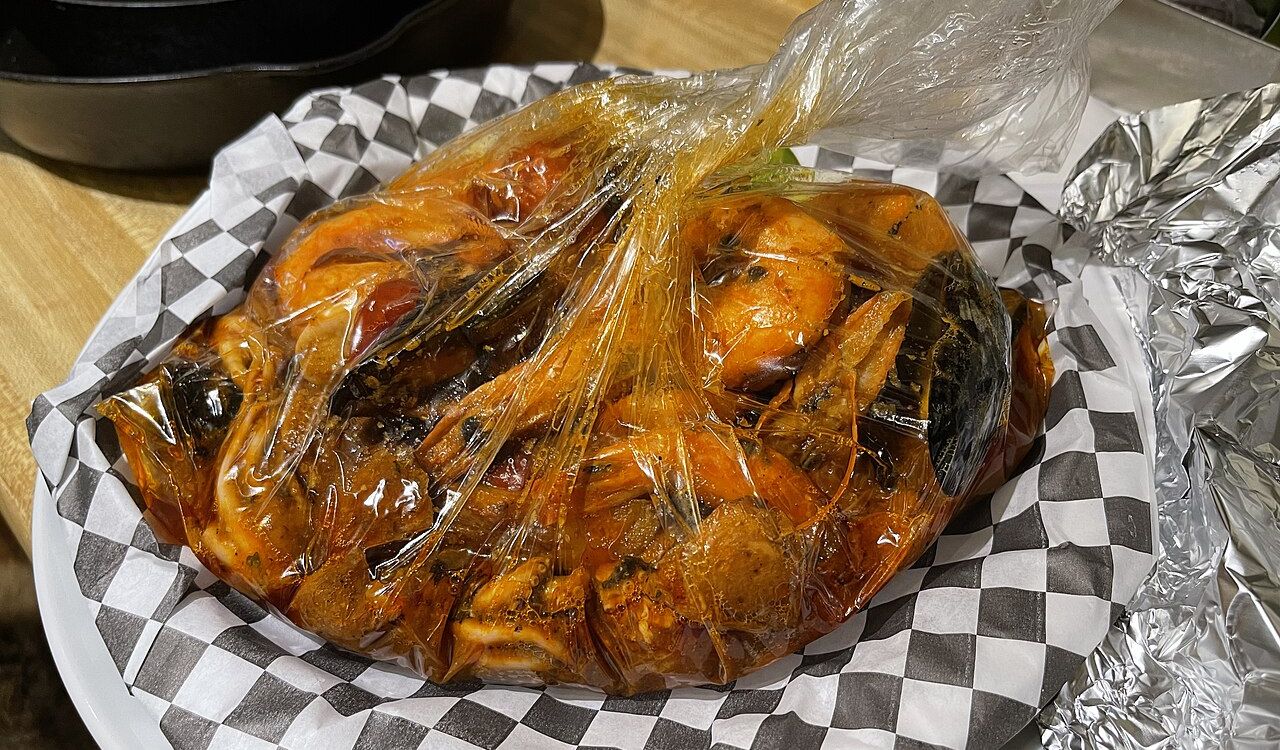
Seafood boil buckets stacked in souvenir shops or sold at casual beachfront counters often promise fresh catch flavor, but many are simply bags of pre cooked shrimp or crab that get reheated before serving. These buckets rely heavily on seasoning packets to mask the lack of freshness, resulting in strong saltiness rather than natural seafood taste. The potatoes and corn included in the mix often absorb most of the seasoning, leaving the seafood rubbery or bland. Locals see these buckets as shortcuts that fail to represent the quality of real Florida boils, which are typically made with fresh, locally sourced seafood cooked onsite.
6. Oversized Neon Frozen Cocktails
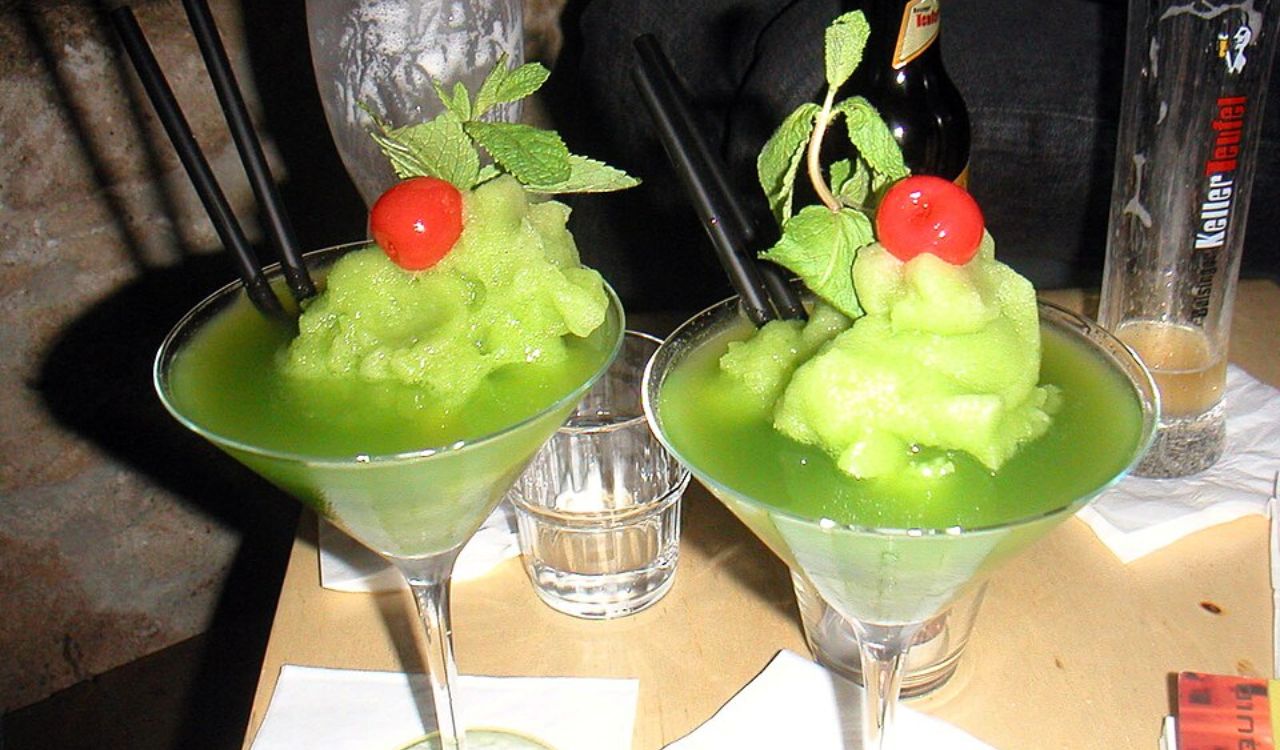
Florida’s heat makes frozen drinks tempting, but the brightly colored cocktails sold at beach bars are often more sugar than substance. These beverages rely on pre mixed syrups filled with artificial flavors and dyes, creating drinks that taste sweet but offer little real fruit flavor. Souvenir cups and catchy names help attract tourists who want a fun vacation photo, but the drinks melt quickly in the sun and leave behind a diluted, syrupy taste. Residents often prefer drinks made with fresh citrus or simple rum mixers because they offer cleaner flavors. The neon slush cocktails are viewed more as novelty items than genuine Florida refreshments.
7. Key Lime Flavored Candy and Cookies in Gift Shops
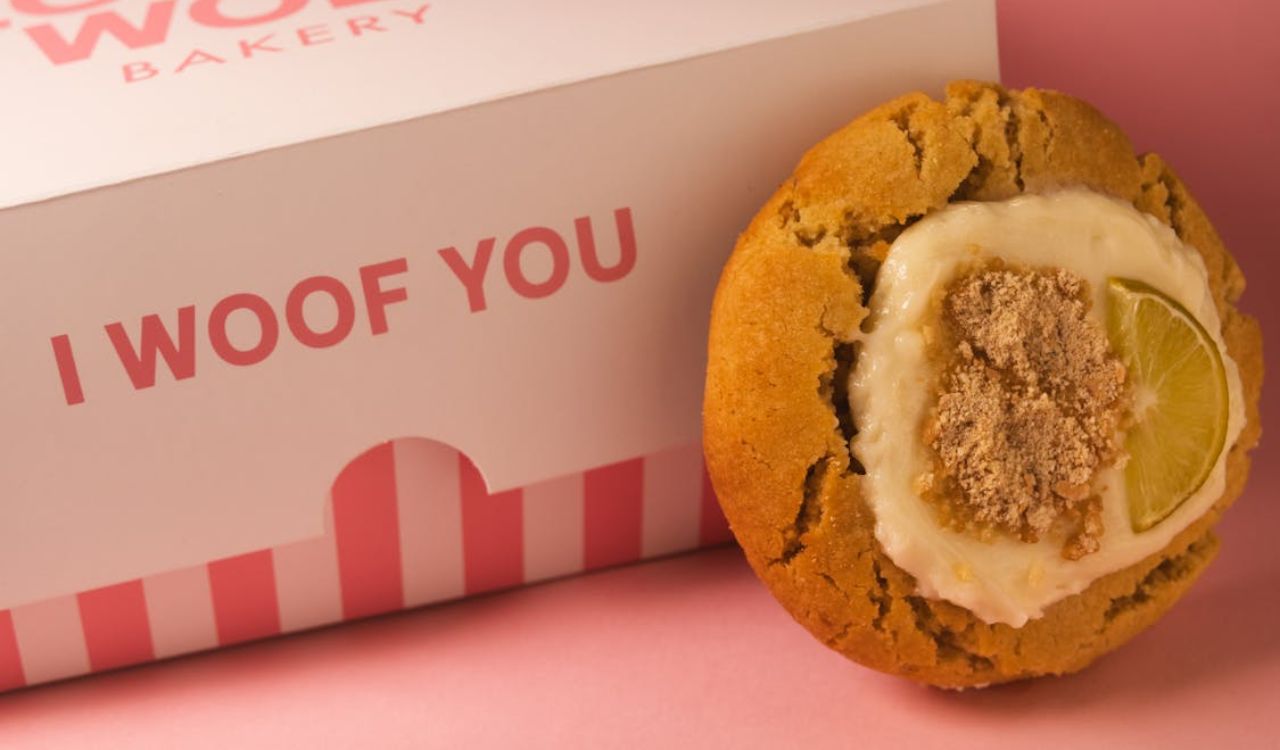
Visitor shops throughout Florida offer an assortment of Key lime cookies, chocolates, and candies. While marketed as uniquely Floridian, these items are usually mass produced and contain artificial lime essence rather than real Key lime juice. They are bright, sweet, and designed to survive long travel times instead of delivering authentic taste. Many tourists buy them as souvenirs, but the flavor tends to be one dimensional and overly sugary. Locals know that these packaged treats do not compare to real Key lime desserts found in bakeries and family cafes, so they rarely purchase them for themselves.
8. Gator Tail Bites From Theme Park Vendors
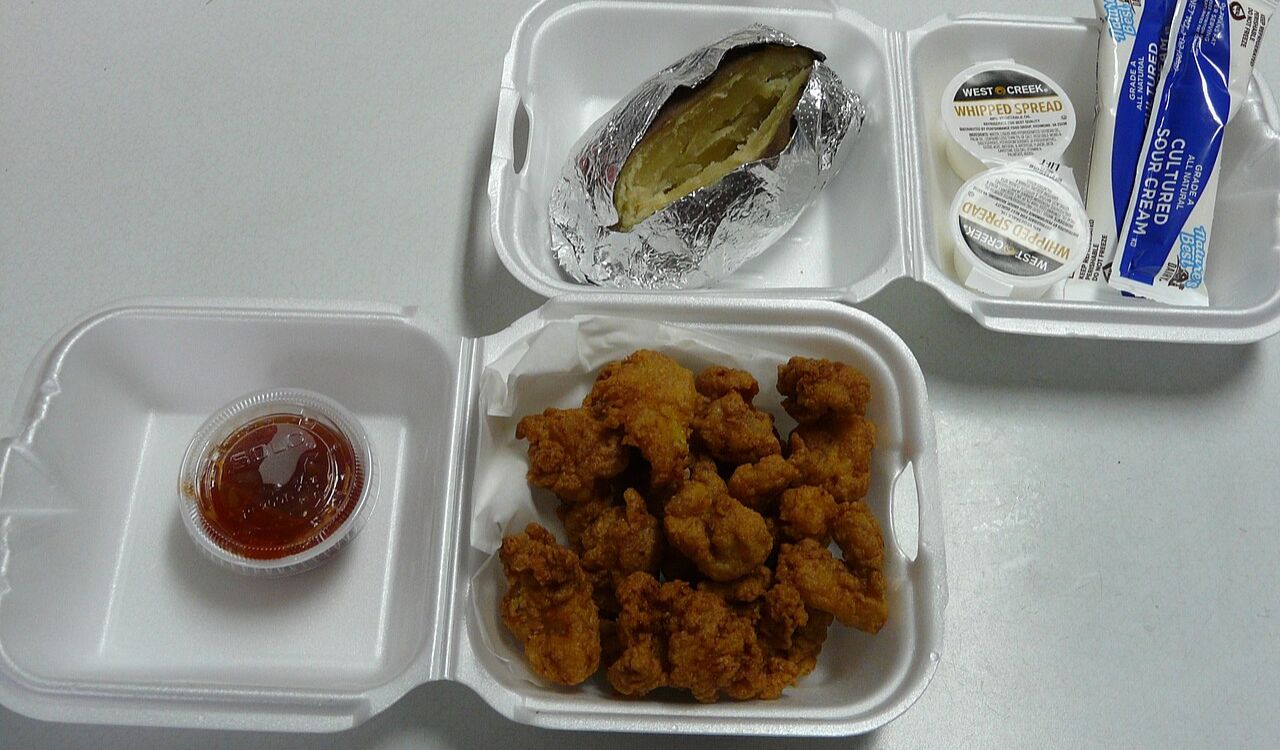
Alligator meat is part of regional cuisine, but the versions sold at theme parks and roadside carts do not reflect the quality locals expect. These gator bites are typically frozen, breaded heavily, and deep fried quickly to keep up with large crowds. The result is chewy meat surrounded by thick batter that hides rather than enhances the flavor. Because of the novelty factor, tourists often try them just to say they did, but many walk away unimpressed. Locals know that when prepared correctly with fresh meat and the proper cooking method, gator can be tender and flavorful, which is why they avoid the tourist oriented versions entirely.
Local Favorite Foods
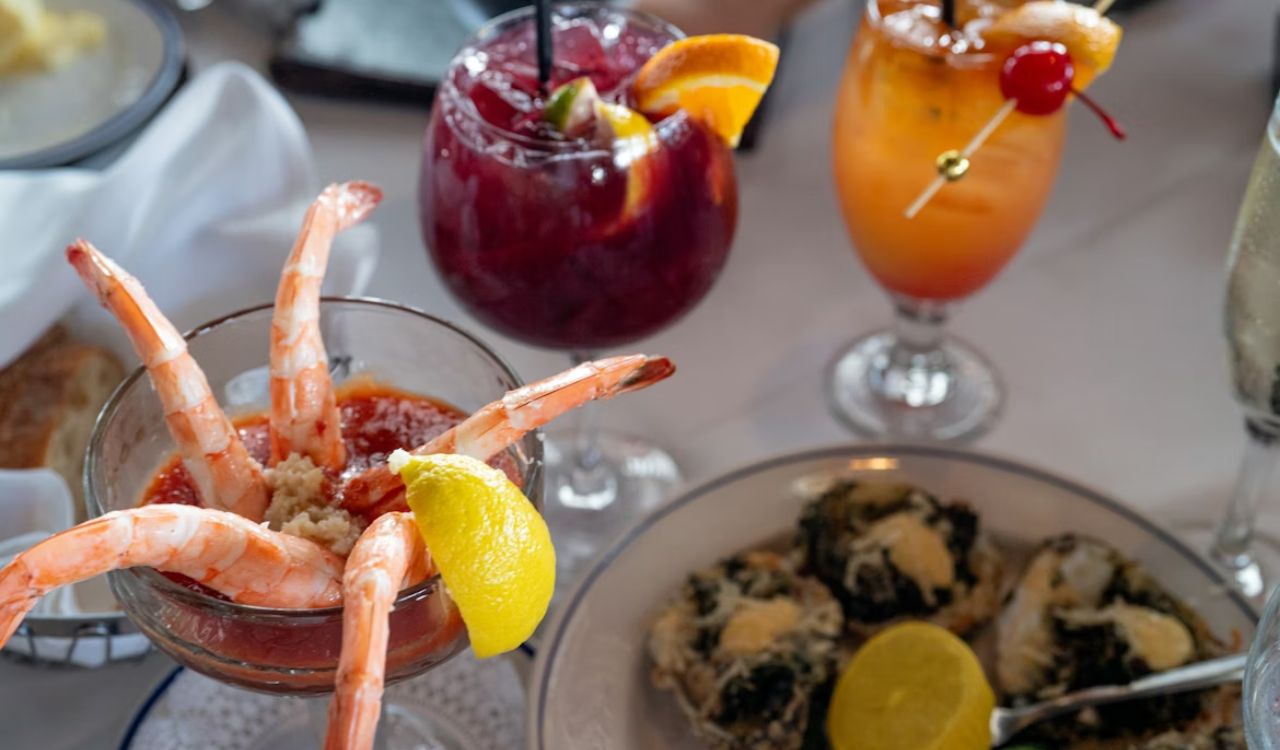
Florida’s most beloved dishes are rooted in everyday life rather than tourist marketing, and they reflect the state’s diverse cultural influences and access to incredibly fresh ingredients. Locals tend to favor meals that highlight natural seafood flavor, traditional cooking techniques, and recipes handed down through families or communities. These foods are not built around flashy presentations or oversized novelty portions. Instead, they showcase the real flavors that residents enjoy year after year, from coastal classics to Latin bakery staples to regional soups tied deeply to Florida history. Travelers who seek out these dishes gain a more genuine understanding of the state’s culinary identity and experience meals that locals actually return to again and again.
1. Authentic Key Lime Pie With Real Key Lime Juice
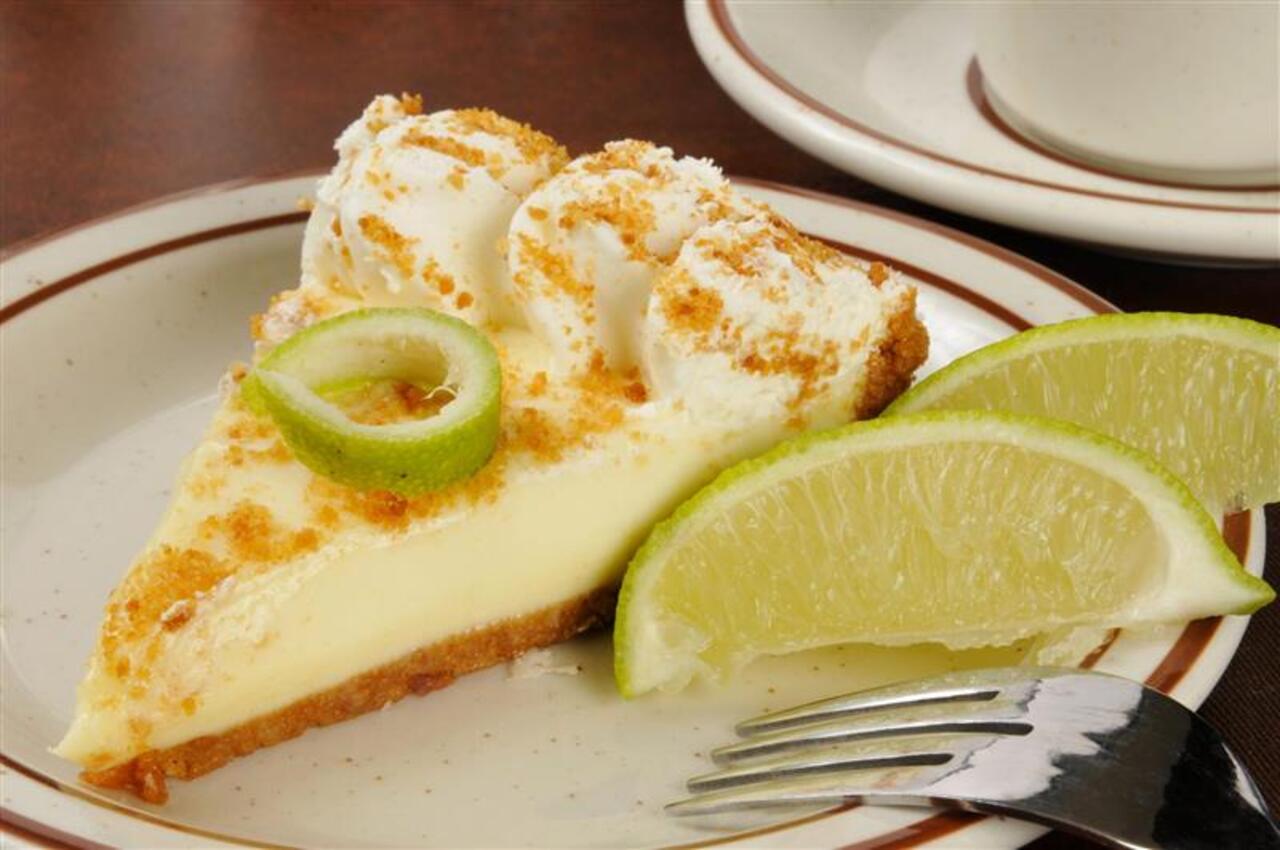
The authentic Key lime pie Floridians love is pale yellow, smooth, and gently tart. It is made with condensed milk and fresh Key lime juice, giving it a bright but balanced flavor that reflects Florida’s citrus growing heritage. The crust is usually a simple graham cracker base and the pie is served chilled, making it refreshing in the warm climate. Locals value this dessert because it highlights real, locally grown ingredients rather than artificial flavoring. When prepared properly, the pie achieves a creamy texture and clean citrus taste that far surpasses the overly sweet green slices marketed to tourists.
2. Fresh Gulf Shrimp Cooked Simply
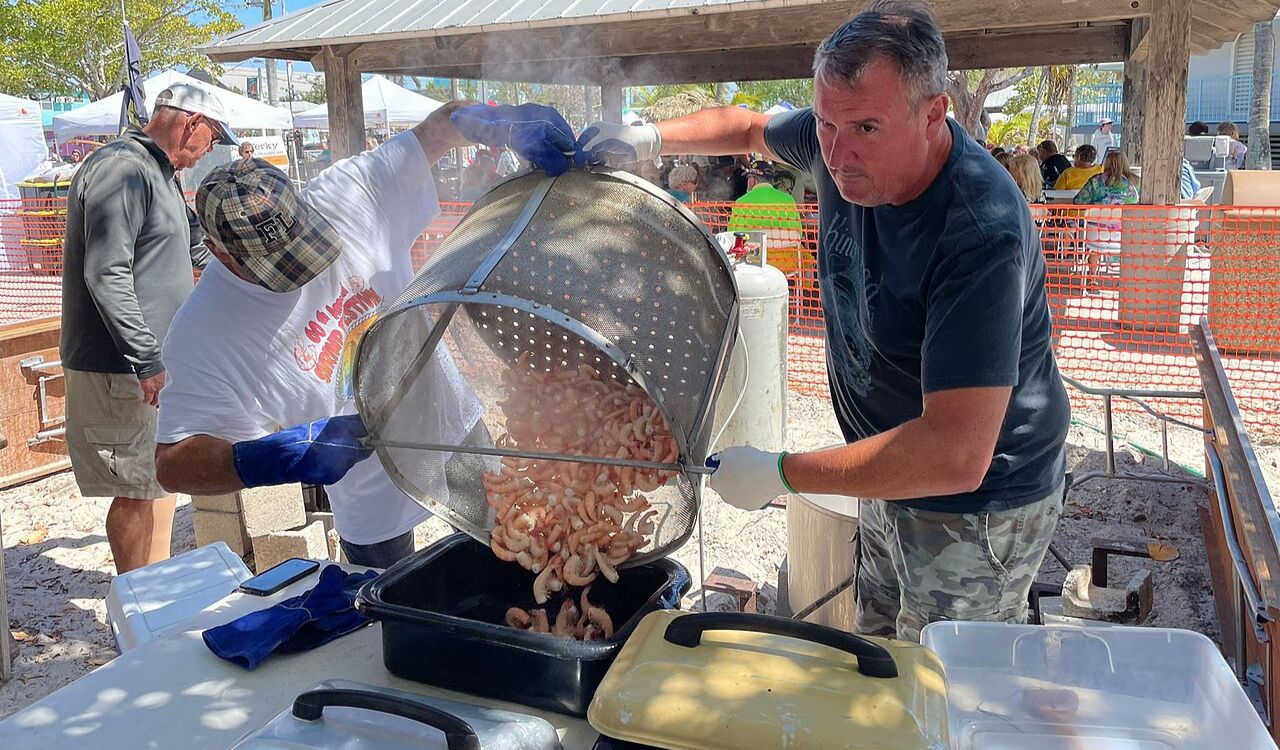
Florida’s Gulf Coast produces some of the freshest shrimp in the country, and locals prefer simple cooking methods that highlight the seafood’s natural sweetness. Common preparations include grilling, steaming, or sautéing with garlic, butter, or a light seasoning blend. These preparations allow the shrimp’s delicate texture and flavor to shine without being masked by heavy batter or thick sauces. Restaurants located near fishing docks often serve shrimp harvested the same day, which creates a noticeably fresher result. Many Floridians consider fresh Gulf shrimp one of the most authentic seafood experiences visitors can enjoy.
3. True Cuban Sandwiches From Local Cafes
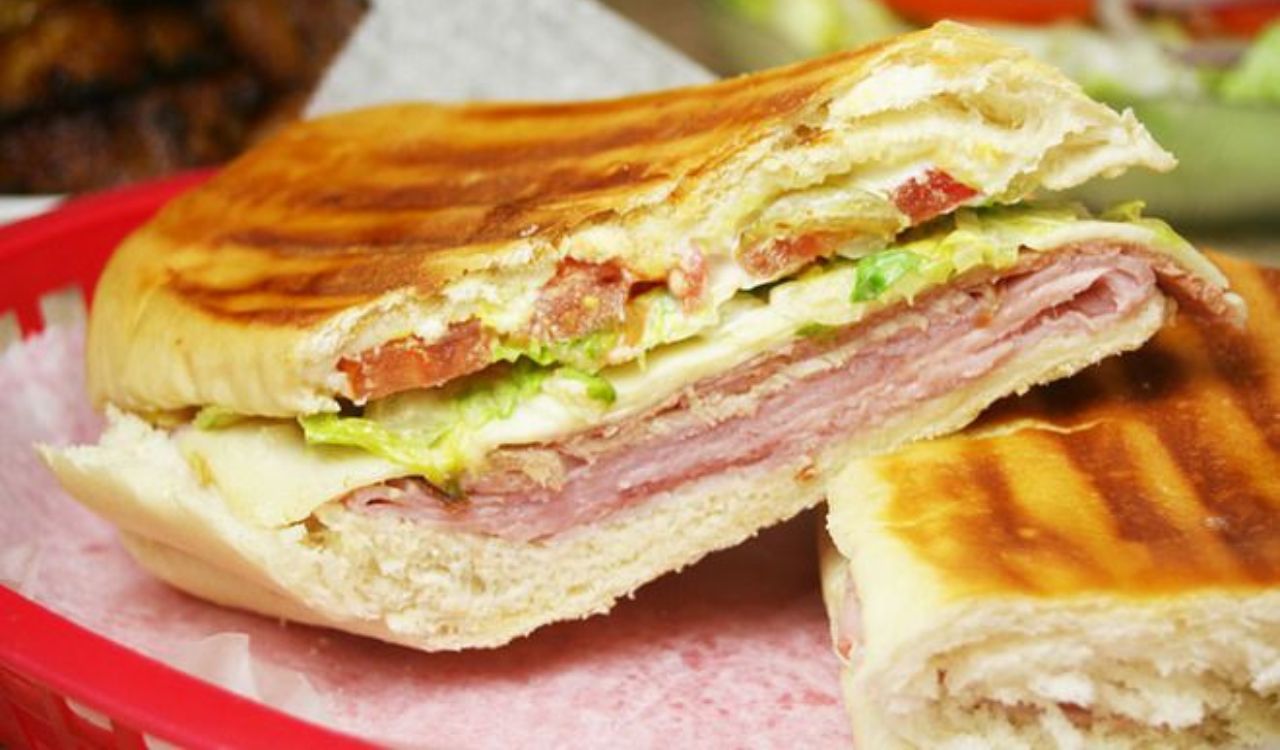
The real Cuban sandwich is a staple of Florida’s Cuban and Cuban American communities. Made with roast pork, ham, Swiss cheese, mustard, and pickles on authentic Cuban bread, the sandwich is pressed until crispy. This creates a warm, flavorful, satisfying meal that locals regularly enjoy. The balance of textures and flavors makes it far superior to the overly commercialized versions found in tourist areas. In cities like Tampa and Miami, family run cafes take pride in preserving the sandwich’s history and preparation method. Visitors seeking a genuine Florida culinary experience should try this dish from a reputable local spot.
4. Stone Crab Claws During Harvest Season
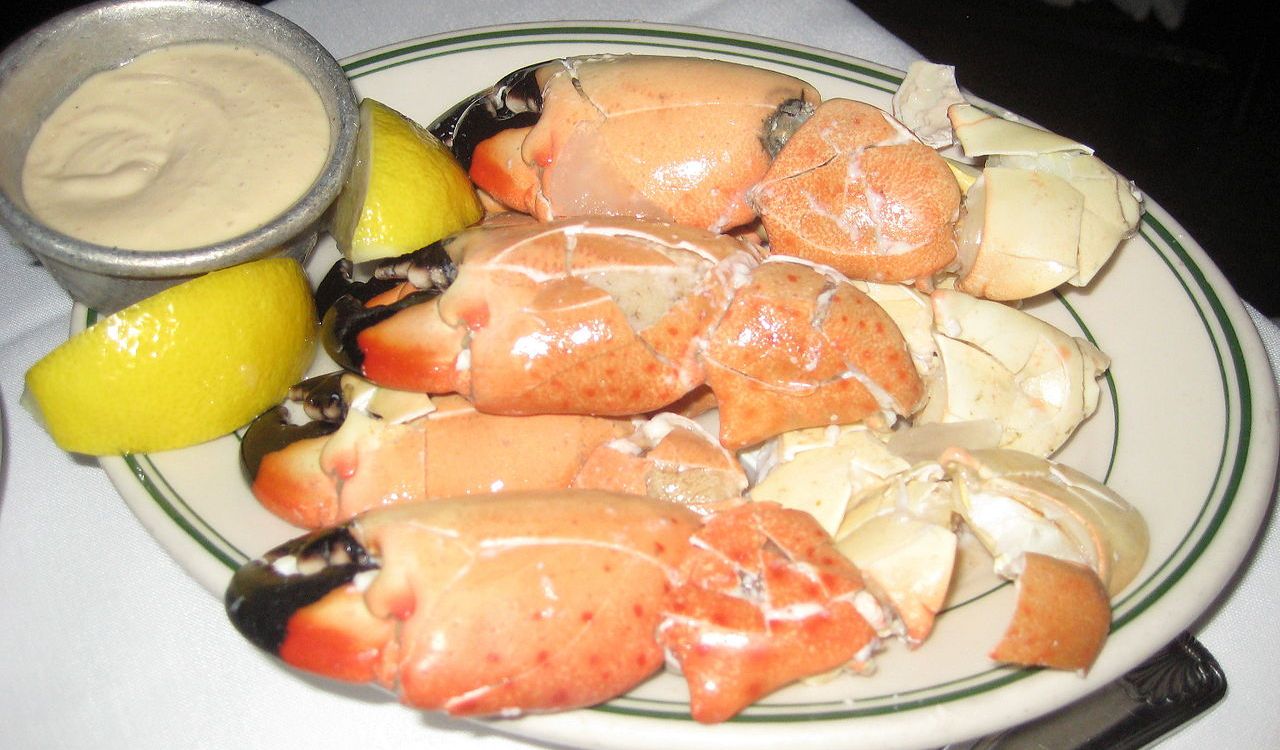
Stone crab claws are one of Florida’s most prized seafood items and are available only during the regulated harvest season. Their sweet, firm meat is served chilled with mustard sauce, making them a delicacy that locals eagerly look forward to each year. Stone crab harvesting is unique because only the claws are taken and the crabs are returned to the water, allowing them to regenerate. This sustainable practice is an important part of Florida’s seafood traditions. Travelers who enjoy fresh seafood will find stone crab claws to be one of the most distinct and flavorful local specialties.
5. Fresh Grouper Sandwiches
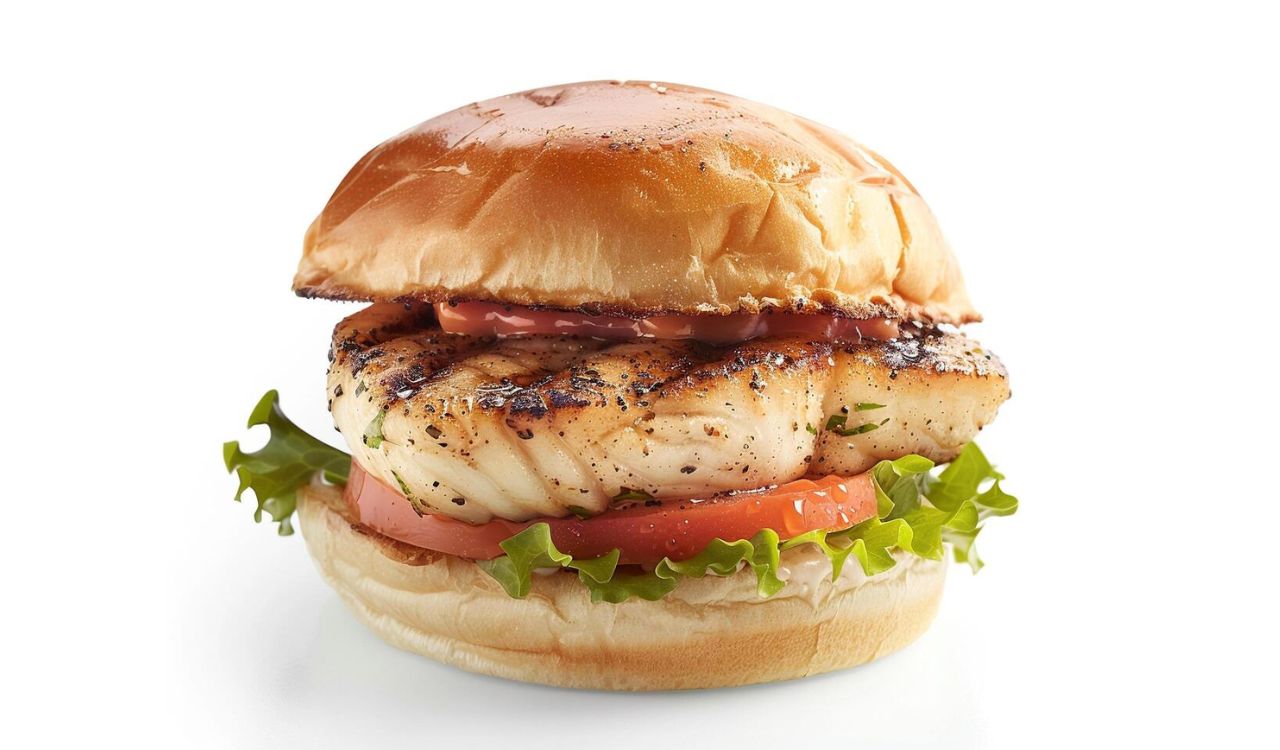
A properly made grouper sandwich is one of the most beloved foods in Florida. Unlike the large fried sampler platters targeted at tourists, a true grouper sandwich highlights a thick, fresh fillet that is grilled, blackened, or lightly fried. The mild flavor and flaky texture of grouper make it ideal for simple preparation. Many restaurants along the coast serve sandwiches made with fish caught that same day, creating a noticeably fresher taste. Locals value this dish because it captures the essence of Florida’s coastal lifestyle and reflects the importance of fresh seafood in daily dining.
6. Empanadas and Pastelitos From Local Bakeries

Empanadas and pastelitos have become integral to Florida’s food culture due to the strong influences of Cuban, Puerto Rican, Dominican, and other Latin American communities. These pastries are filled with ingredients such as guava, cheese, chicken, or spiced beef. Unlike mass-produced versions, local bakeries prepare them fresh each morning, which creates flaky crusts and flavorful fillings. These pastries are popular for breakfast, snacks, and gatherings because they offer savory or sweet flavors in a convenient, handheld form. Visitors who want to taste everyday Florida life should stop at a family-owned bakery and try a few varieties.
7. Minorcan Clam Chowder From Northeast Florida
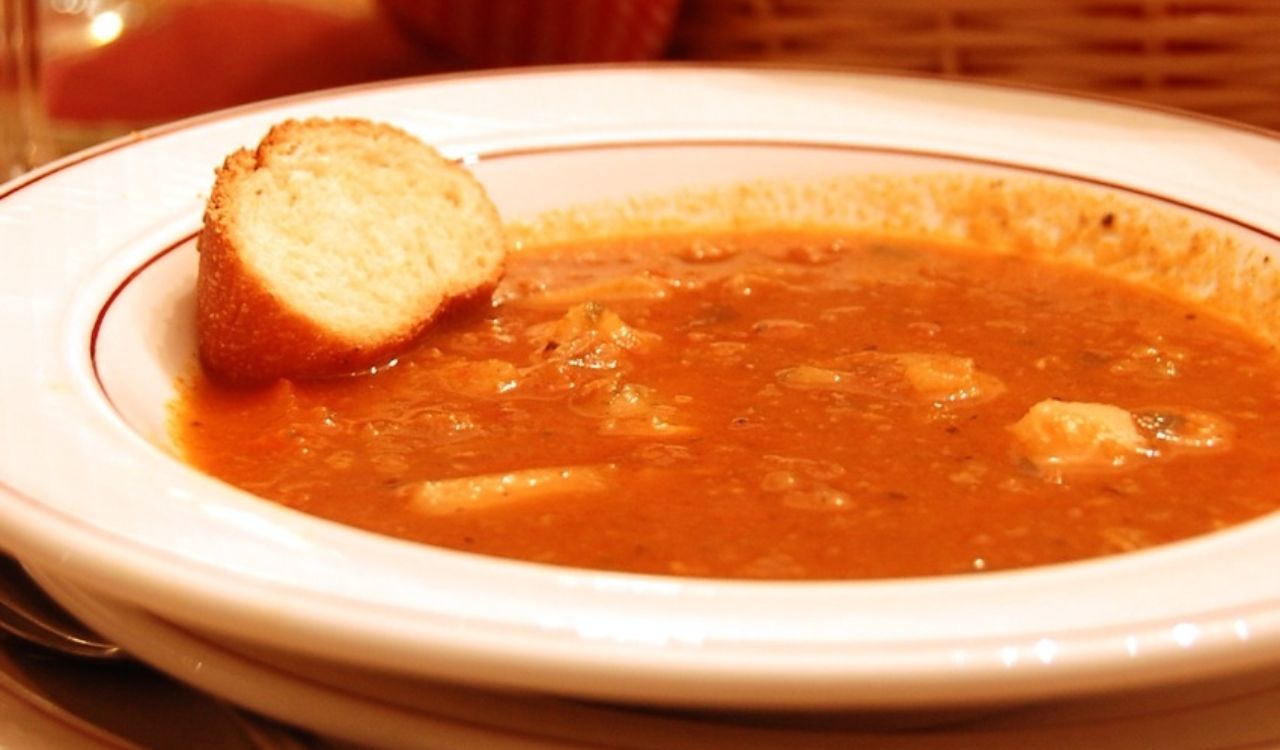
Minorcan clam chowder is a regional specialty found mainly around St. Augustine. It is tomato-based and known for its use of datil peppers, a locally grown pepper with a fruity but fiery heat. This chowder reflects the history of Minorcan settlers who adapted traditional European recipes to local ingredients. The result is a hearty soup with a distinct flavor profile found nowhere else. Locals consider it a point of pride, and many restaurants in the region continue to prepare it according to long-standing family recipes. Visitors looking to explore Florida’s culinary history will find this dish especially meaningful.
8. Boiled Peanuts From Roadside Stands
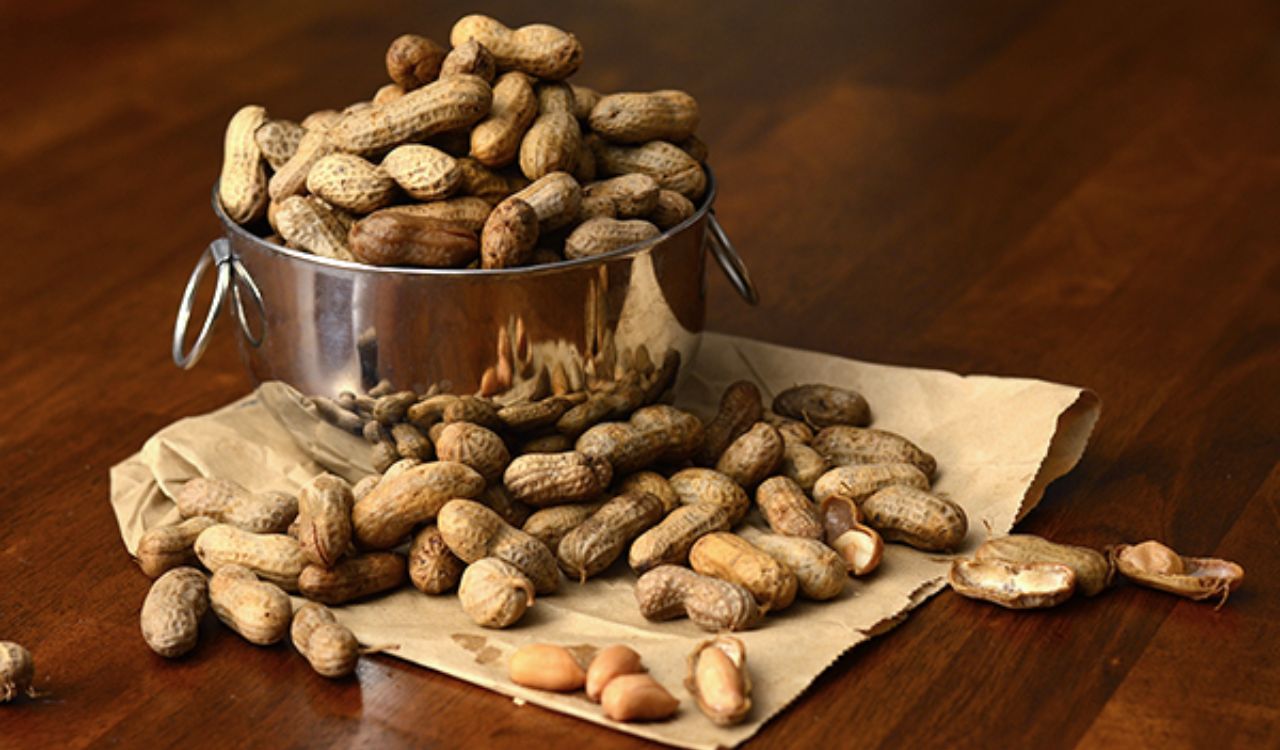
Boiled peanuts are a familiar sight to anyone driving through Florida, especially in rural areas. They are cooked slowly in a seasoned brine until soft, creating a snack that is salty, tender, and comforting. Longtime residents enjoy them during road trips, beach outings, and festivals because they represent Southern tradition and simple, satisfying flavor. Unlike the packaged snacks found in tourist stores, boiled peanuts are made in small batches which gives them a fresh taste that locals appreciate. Visitors who want to experience authentic roadside Florida culture should make a point to try them.