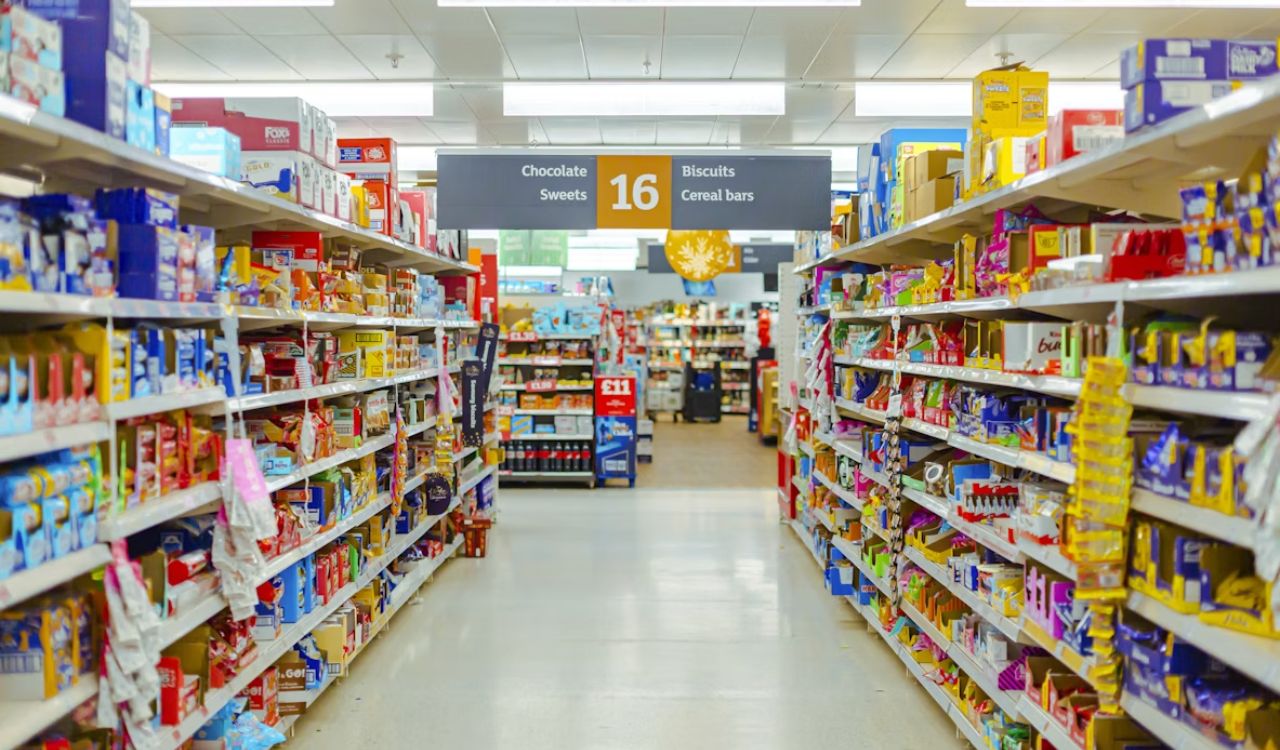
7 Processed Foods Experts Say Seniors Should Avoid
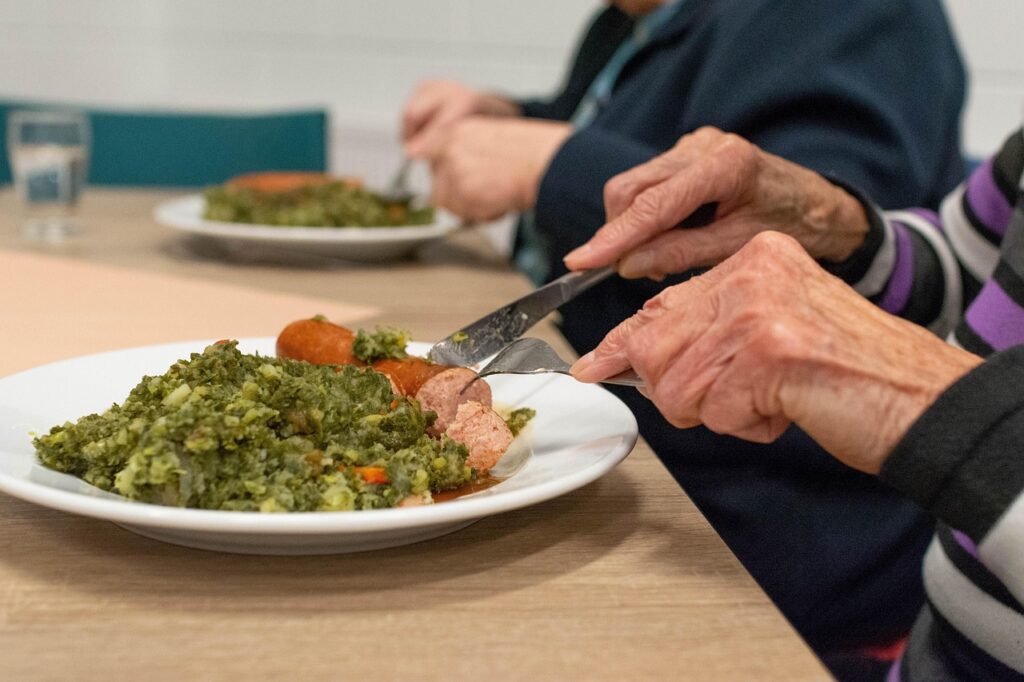
As bodies age, nutritional needs become more specific, and tolerance for highly processed foods decreases. Items once eaten without concern can contribute to elevated blood pressure, blood sugar swings, inflammation, or poor digestion in older adults. Many processed foods also replace valuable nutrients with excess salt, sugar, and unhealthy fats, creating challenges for those managing chronic conditions. Understanding which foods to limit helps seniors build a diet that supports strength, energy, and overall quality of life.
1. Processed Meats

Processed meats such as bacon, sausages, hot dogs, and deli slices appeal to many seniors because they are convenient, flavorful, and require little preparation. Yet these same qualities mask their high sodium content, concentrated saturated fat, and the presence of curing agents that can stress the cardiovascular system. As aging bodies become more sensitive to blood pressure fluctuations and inflammation, these meats may contribute to increased risk of heart disease, stroke, and digestive discomfort. The preservation methods used to extend shelf life can also introduce compounds linked to long-term health concerns.
2. Sugary Drinks and Soda
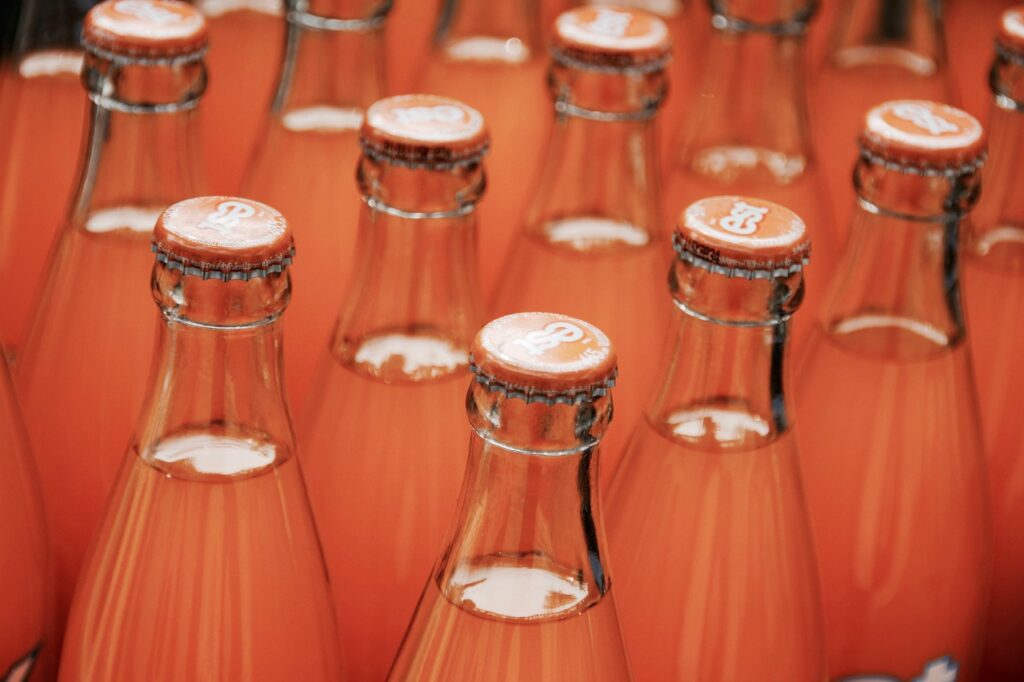
Sugary beverages are among the easiest calories to consume, yet offer almost no nutritional return. For seniors, whose metabolism naturally slows with age, these drinks can quickly elevate daily sugar intake without creating a sense of fullness. High sugar consumption increases the risk of type 2 diabetes, weight gain, and metabolic imbalances, all of which are more difficult to manage later in life. Carbonation and acidity in soft drinks may further weaken enamel and irritate digestion. Although appealing for their taste and convenience, these beverages provide little benefit and can undermine long-term health.
3. Packaged Snacks and Chips
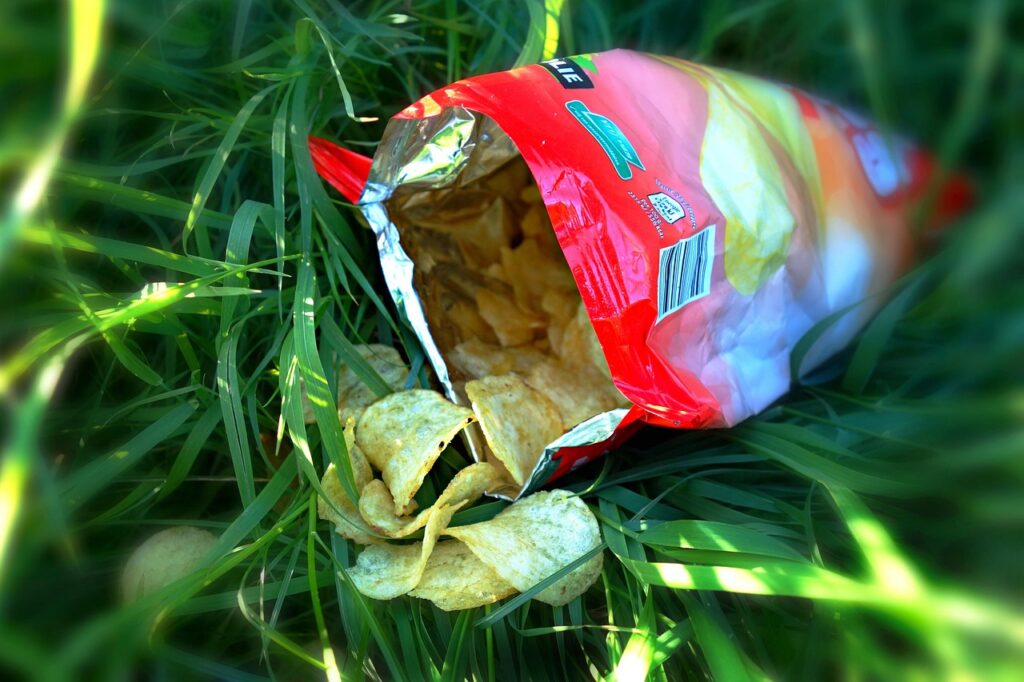
Packaged snacks and chips often combine high levels of sodium, refined oils, and additives that make them palatable but nutritionally poor. For seniors, the elevated salt content can contribute to hypertension, which is already a common concern with aging. Many of these snacks are calorie-dense yet nutrient-sparse, offering immediate satisfaction without supporting energy stability or overall health. Frequent consumption may also lead to swelling or fluid retention due to their sodium load. The crunchy textures and familiar flavors can be tempting, but they rarely contribute to a balanced diet.
4. Frozen Dinners and Ready-Made Meals
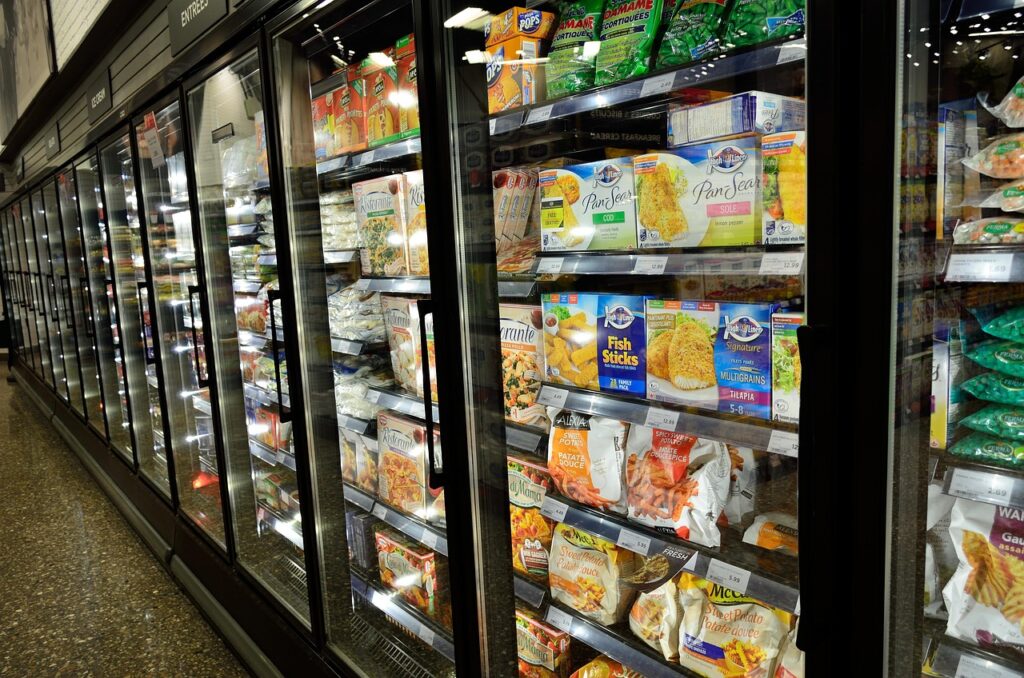
Frozen entrees and ready-made meals offer convenience, especially for older adults who may prefer simple cooking routines. However, these products are often formulated with high amounts of sodium to enhance flavor and prolong shelf life. Excess sodium can exacerbate hypertension and place added pressure on both the cardiovascular and renal systems. Many frozen meals also contain preservatives, fillers, and low-quality fats that offer limited nutritional value. Portions may seem controlled, but the nutrient profile tends to skew toward starches rather than proteins or vegetables.
5. Fried Foods

Fried foods hold nostalgic appeal, but the oils used in deep frying can introduce excessive saturated fats that increase inflammation and raise cholesterol levels. As the body ages, it becomes less efficient at processing heavy or greasy meals, which can lead to digestive discomfort, slower metabolism, and elevated cardiovascular risk. Frying also generates compounds during high-heat cooking that can be more difficult for seniors to tolerate. While the crisp texture is undeniably appealing, frequent consumption places unnecessary strain on systems already working harder with age. Baking, air frying, or sautéing with healthier oils can offer similar enjoyment with significantly reduced risk.
6. Sugary Desserts and Sweets

Desserts can be an emotional comfort for many seniors, but the high sugar content in cookies, pastries, candies, and similar treats can destabilize blood glucose levels. Older adults often have reduced insulin sensitivity, making spikes in blood sugar more difficult to manage. Excess sugar also increases the likelihood of weight gain, dental problems, and metabolic disorders. While occasional indulgence is reasonable, routine consumption can undermine overall health goals. The key challenge is that many sweets offer immediate pleasure without meaningful nutrients to support aging muscles or bones. Opting for fruit-based desserts or measured portions of dark chocolate can satisfy cravings in a balanced way.
7. Ultra-Processed Foods

Ultra-processed foods encompass items packed with additives, colorants, stabilizers, and artificial flavors designed to imitate freshness and enhance shelf life. These foods often replace whole ingredients with refined starches, unhealthy fats, and sugars, creating meals that are easy to prepare but difficult for the body to utilize effectively. For seniors, whose nutritional needs become more precise with age, these items can crowd out healthier options and contribute to chronic conditions such as diabetes and heart disease. The lack of fiber, vitamins, and minerals further limits their value. Shifting toward whole foods, minimally processed snacks, and simple home-cooked dishes provides a more supportive foundation for healthy aging.