7 Kitchen Habits from the 60s That Would Raise Red Flags in a Restaurant Kitchen Today
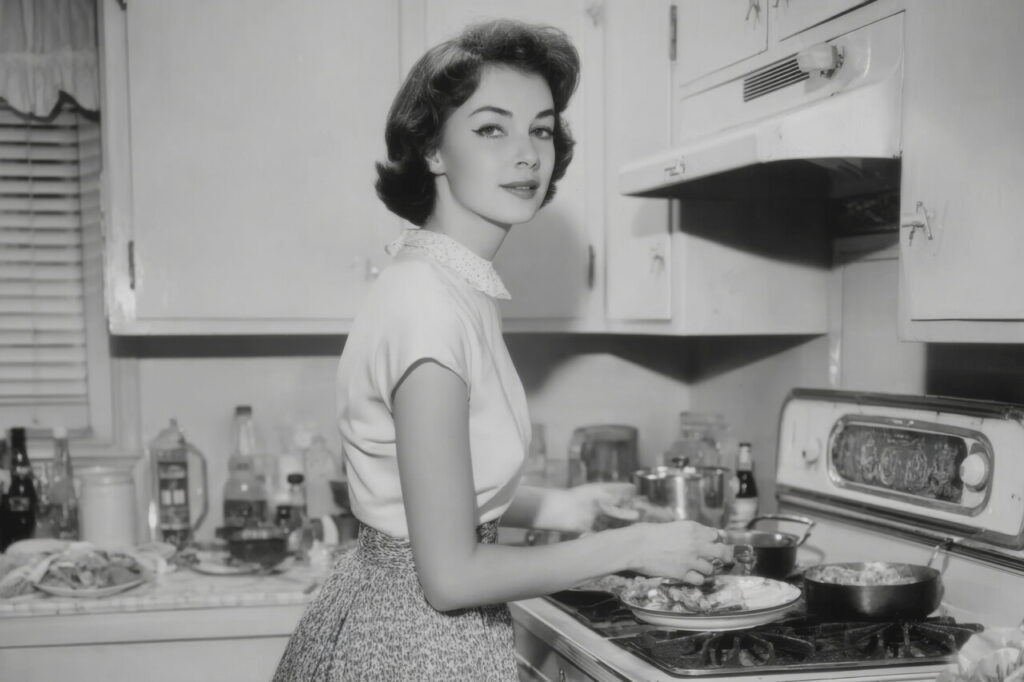
Kitchen habits in the 1960s reflected a time when food safety research was limited, regulations were minimal, and home cooking relied heavily on tradition. Many practices that felt normal back then are now considered unsafe due to what we know about bacteria, contamination, and proper handling. From leaving meat out for hours to reusing oil indefinitely, these habits reveal how far food science has progressed. Looking back at them shows why today’s guidelines exist and how modern standards help protect every household from preventable risks.
1. Leaving Raw Meat Out at Room Temperature for Hours
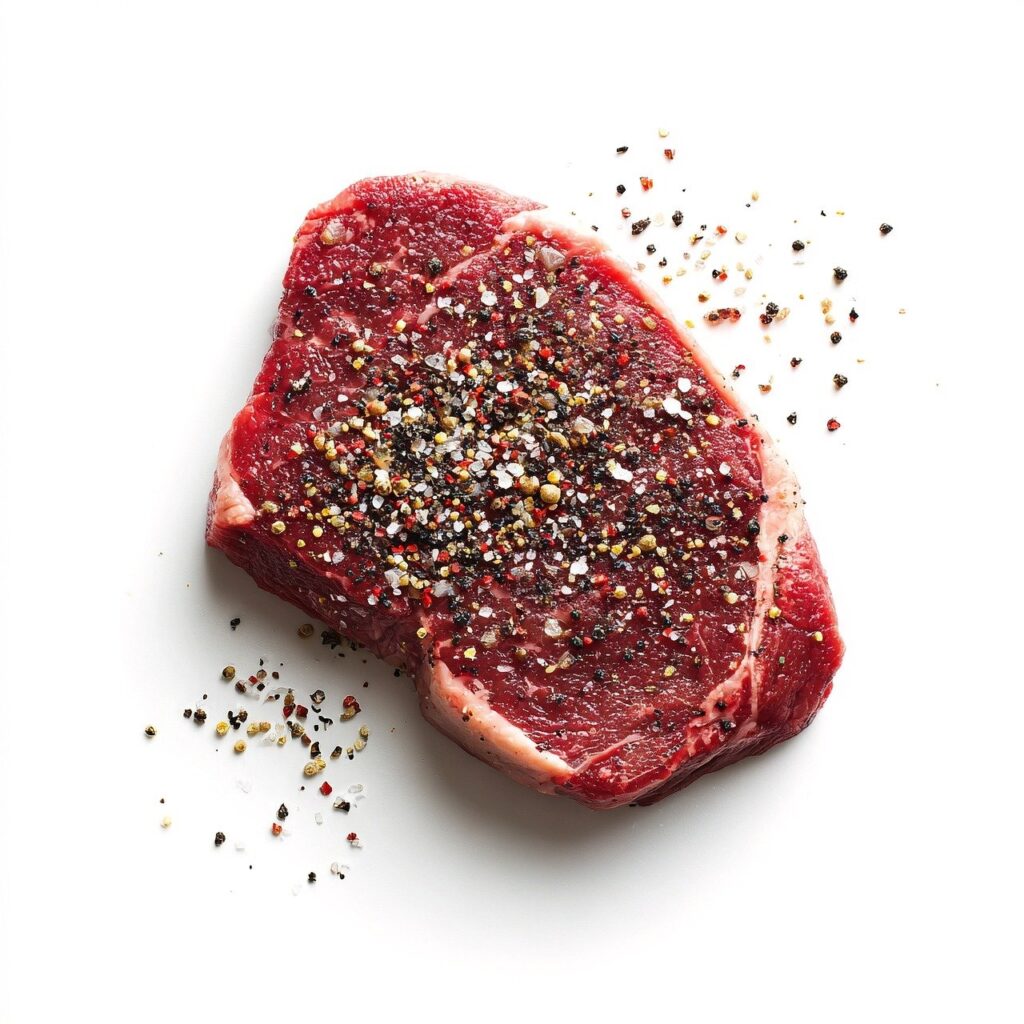
One of the most common kitchen practices of the 1960s involved leaving raw meat on the counter for extended periods to “take the chill off” or “settle” before cooking. This habit developed during a time when foodborne illness was less understood, refrigerators were less efficient, and home cooks relied on traditional methods passed down through families. Today, we know that harmful bacteria multiply rapidly between 40°F and 140°F, turning hours at room temperature into a high-risk situation. Modern food safety guidelines emphasize the importance of strict temperature control and immediate refrigeration for raw proteins.
2. Using the Same Cutting Surface for Raw Meat and Ready-to-Eat Foods
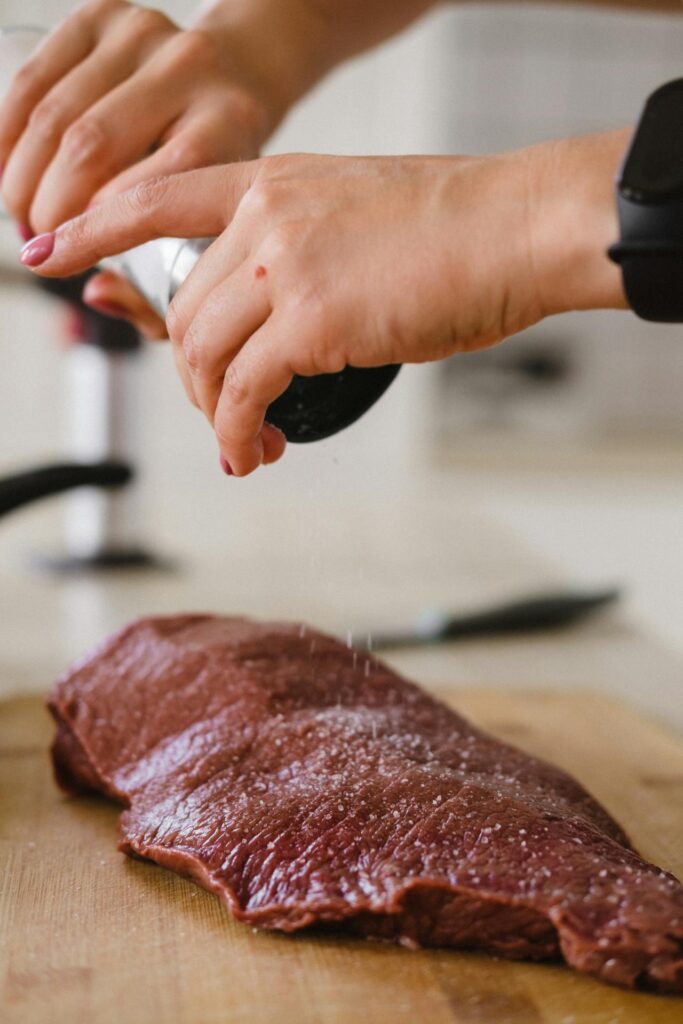
In the 1960s, many households used a single wooden cutting board for nearly every task in the kitchen. It was common to chop raw meat, wipe the board with a cloth, and then slice bread or vegetables on the same surface. Cross-contamination was not a widely understood concept, and antibacterial soaps or sanitizing sprays were not household staples. Today, this behavior would violate basic hygiene protocols because raw meat carries pathogens that can transfer to foods eaten without further cooking. Modern regulations require proper sanitization between tasks, separate cutting boards, and strict prevention of contact between raw and ready-to-eat items.
3. Reusing Cooking Oil Indefinitely Without Filtering or Replacing
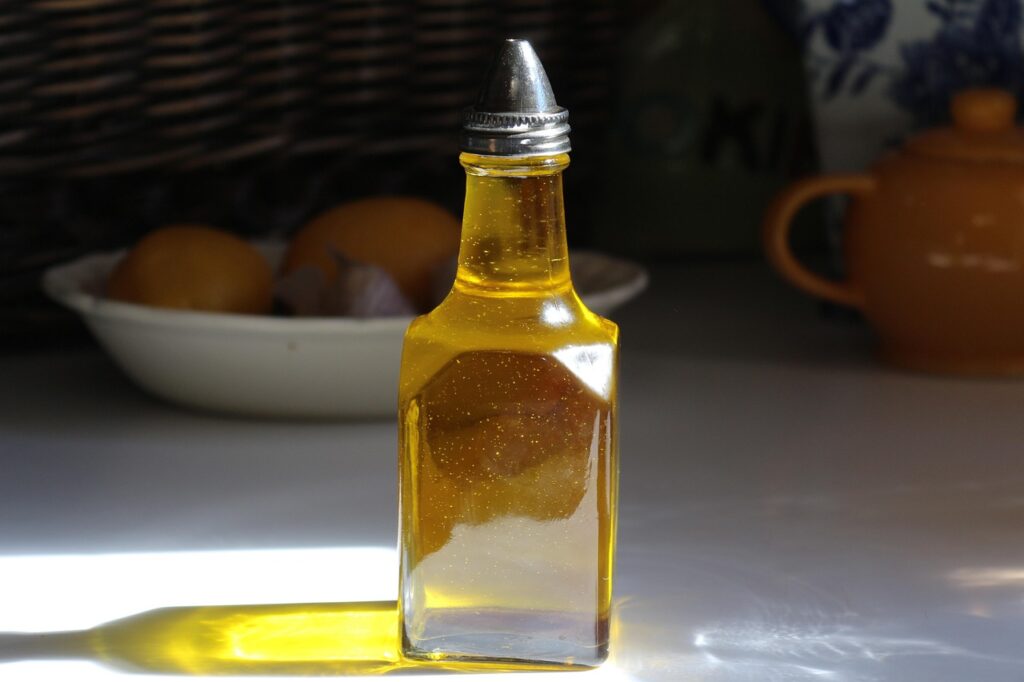
For many families in the 1960s, frying oil was a precious resource that was reused repeatedly until it became dark or foamy. Households often kept a pot or coffee can filled with old oil near the stove, adding more only when the level dropped. While this practice made sense during periods of frugality, we now understand that oil breaks down with repeated heating, creating compounds that affect both flavor and health. Old oil can reach smoke points more easily, release harmful byproducts, and hold onto food particles that encourage bacterial growth. What once symbolized thrift would now violate standards for safe food preparation.
4. Touching Raw Meat and Handling Other Foods Without Washing Hands
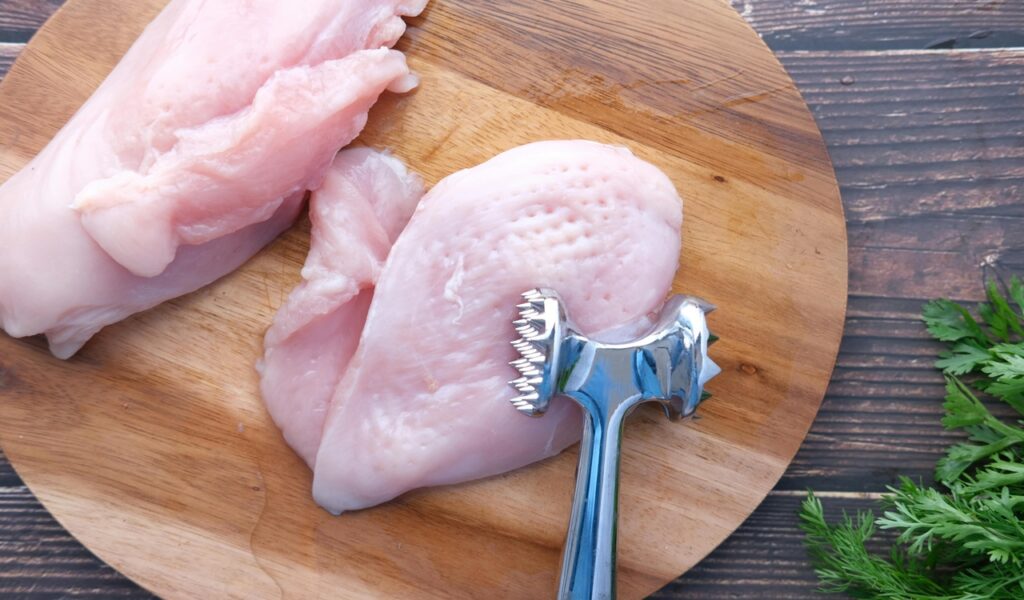
Hand washing was far less emphasized in the 1960s. Many home cooks moved directly from shaping ground beef or seasoning raw chicken to preparing salads or sandwiches without stopping to wash thoroughly. At the time, the link between unwashed hands and foodborne illness was not clearly understood outside scientific circles. Today, strict hygiene expectations are embedded in both home and commercial food environments. Modern standards require washing with soap and warm water for at least 20 seconds after handling raw meat, poultry, or eggs.
5. Using Unregulated or Improper Preservatives in Home Canning
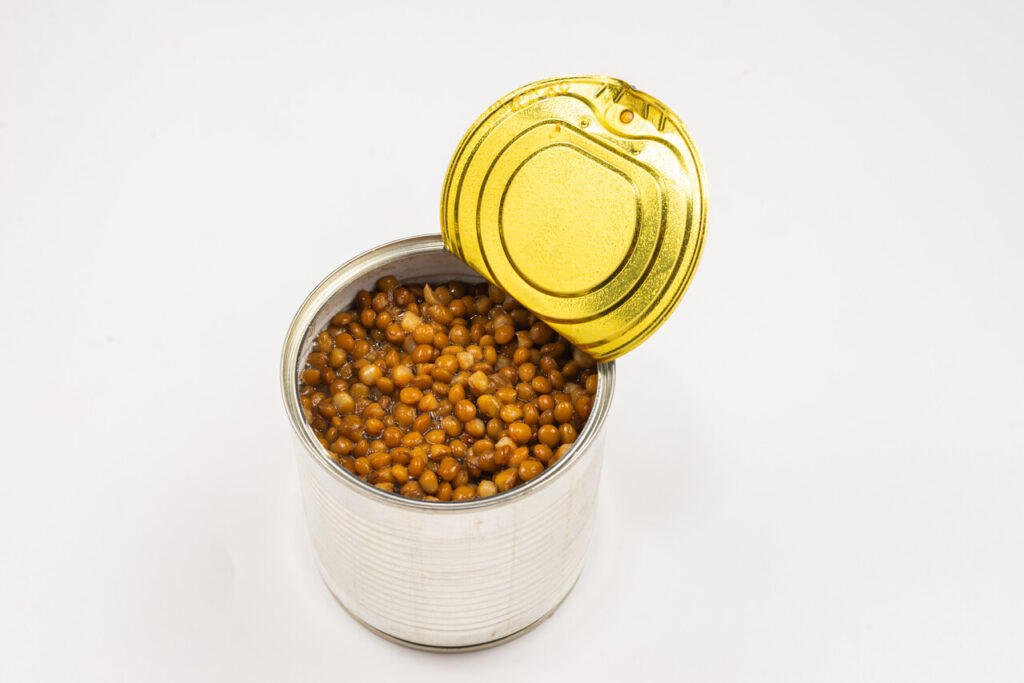
Home canning was widespread in the 1960s, and many families relied on informal methods or untested additives to preserve fruits, vegetables, and jams. It was common to use preservatives purchased from general stores without clear labeling or to follow handwritten recipes that included ingredients no longer considered safe. Today, home canning requires following tested guidelines that ensure proper acidity, sterilization, and processing time. The use of unapproved additives is illegal due to the risk of botulism and other serious foodborne illnesses. The informal nature of earlier canning practices would be noncompliant with today’s safety expectations.
6. Consuming or Selling Unpasteurized Milk and Uninspected Meat
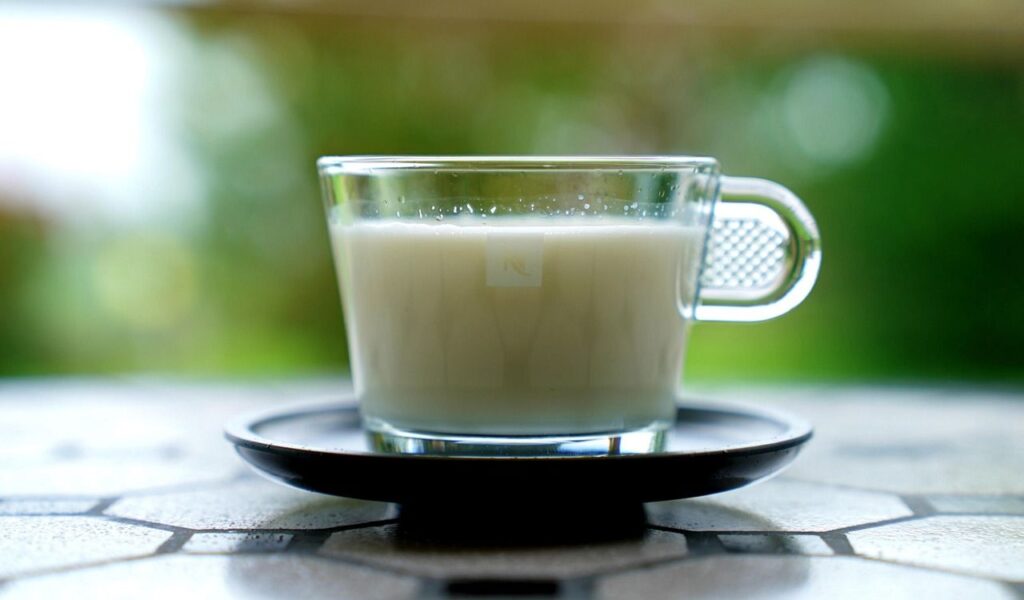
In the 1960s, it was common in rural communities to drink raw milk directly from the farm or purchase meat processed without formal inspection. These habits developed from agricultural traditions and limited access to regulated supply chains. Today, strict laws govern the sale of dairy and meat products because raw, uninspected items carry a significantly higher risk of contamination. Pasteurization and inspection standards were implemented to prevent outbreaks of illnesses such as tuberculosis, listeriosis, and E. coli infection.
7. Storing Food Without Proper Labeling, Dating, or Ingredient Lists

In the 1960s, packaged foods often lacked detailed ingredient lists, expiration dates, allergen warnings, or nutritional information. Many home kitchens also stored leftovers or homemade items in unmarked containers with no indication of age or contents. These practices were typical for the time, when regulations were minimal, and consumer awareness was lower. Today, strict laws require accurate labeling on packaged foods, including contents, allergens, additives, and clear expiration dates. Even in home kitchens, dating stored food is encouraged to ensure safety and prevent spoilage. Modern standards reflect a broader understanding of allergens, shelf stability, and chemical additives.