10 Vintage Holiday Candies Found Only in Small Town America
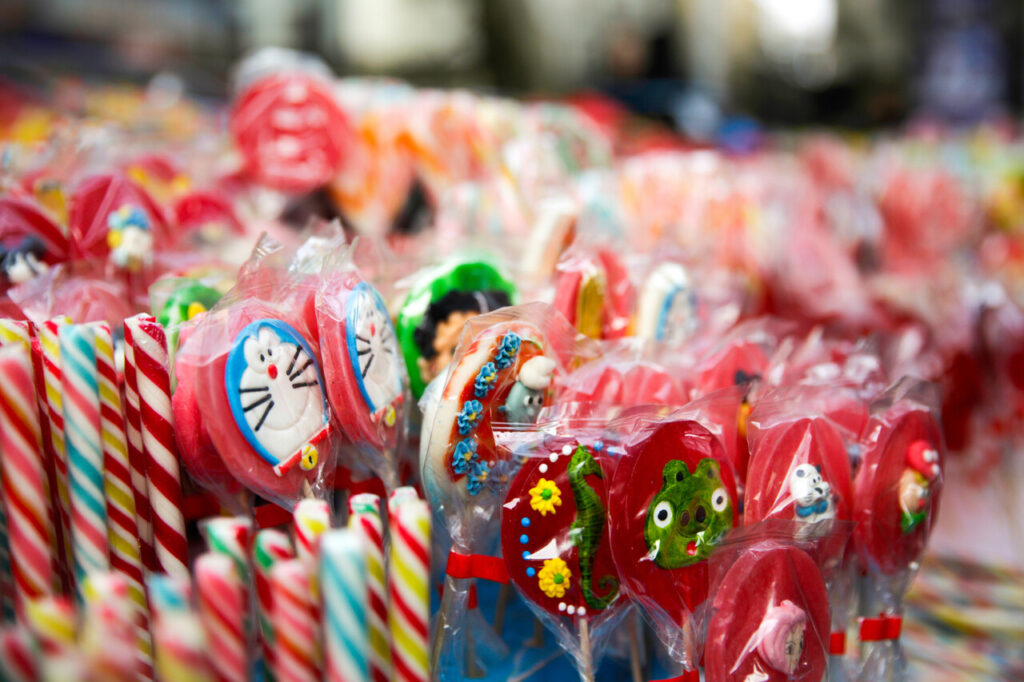
Holiday candy once carried a distinctly local charm, especially in small towns where shelves held treats made by regional makers, family-owned factories, or niche confectioners. Many of these sweets have since vanished from mainstream markets as production methods changed, national brands expanded, and consumer tastes shifted toward more modern flavors. What remains is a nostalgic set of candies remembered for their quirky textures, bold designs, or unmistakable aromas. Exploring them offers a glimpse into the festive traditions that shaped small town holiday celebrations.
1. Abba Zaba
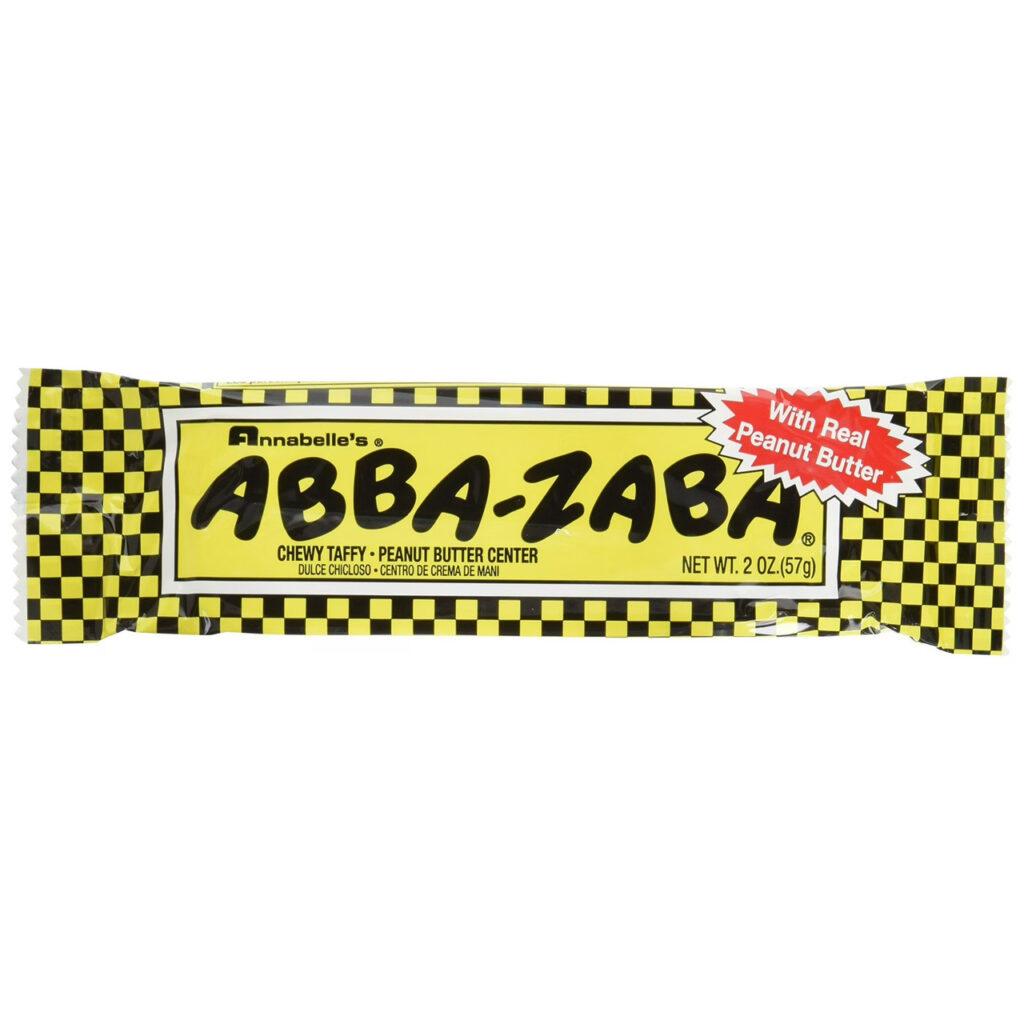
Abba Zaba earned a place in small-town holiday traditions thanks to its unmistakable combination of chewy taffy and creamy peanut butter. Although still produced in limited regions, it has largely disappeared from mainstream circulation as larger candy companies dominated shelf space with mass-marketed bars. The candy relied on specialty production methods that never scaled easily, and holiday sales alone could not sustain widespread distribution. Today, Abba Zaba survives mostly in small markets and independent shops that value the character and history of candies that once defined local celebrations.
2. Popeye Candy Sticks
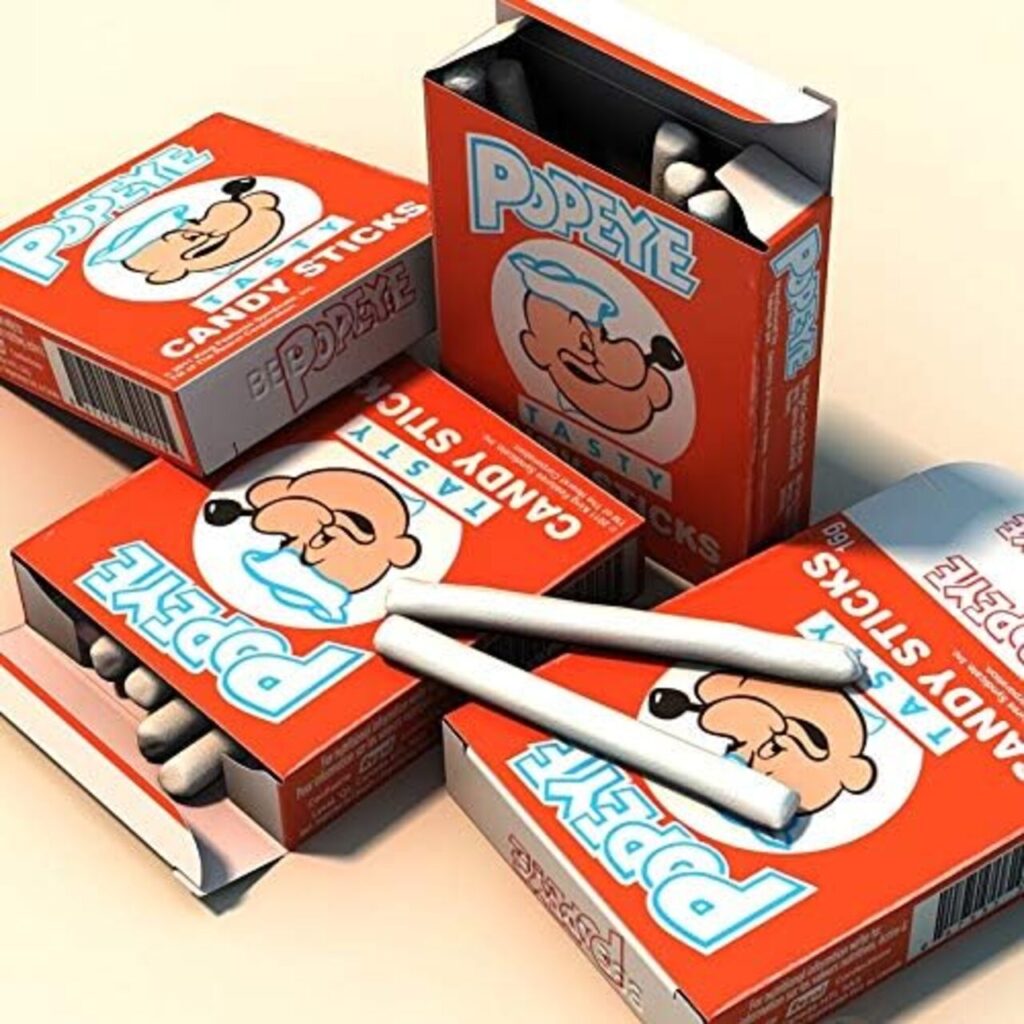
Popeye Candy Sticks were a fixture of childhood holiday stockings in many small towns, largely because their chalky sweetness and low price made them easy for local shops to stock in bulk. As cultural attitudes shifted, particularly around the portrayal of smoking, these candies fell out of favor and eventually disappeared from most major retailers. Their imagery became controversial, and manufacturers either rebranded or discontinued them altogether. Even without the original marketing, the product evokes a bygone era when candy was simple, inexpensive, and tied closely to local purchasing habits.
3. Mallo Cup
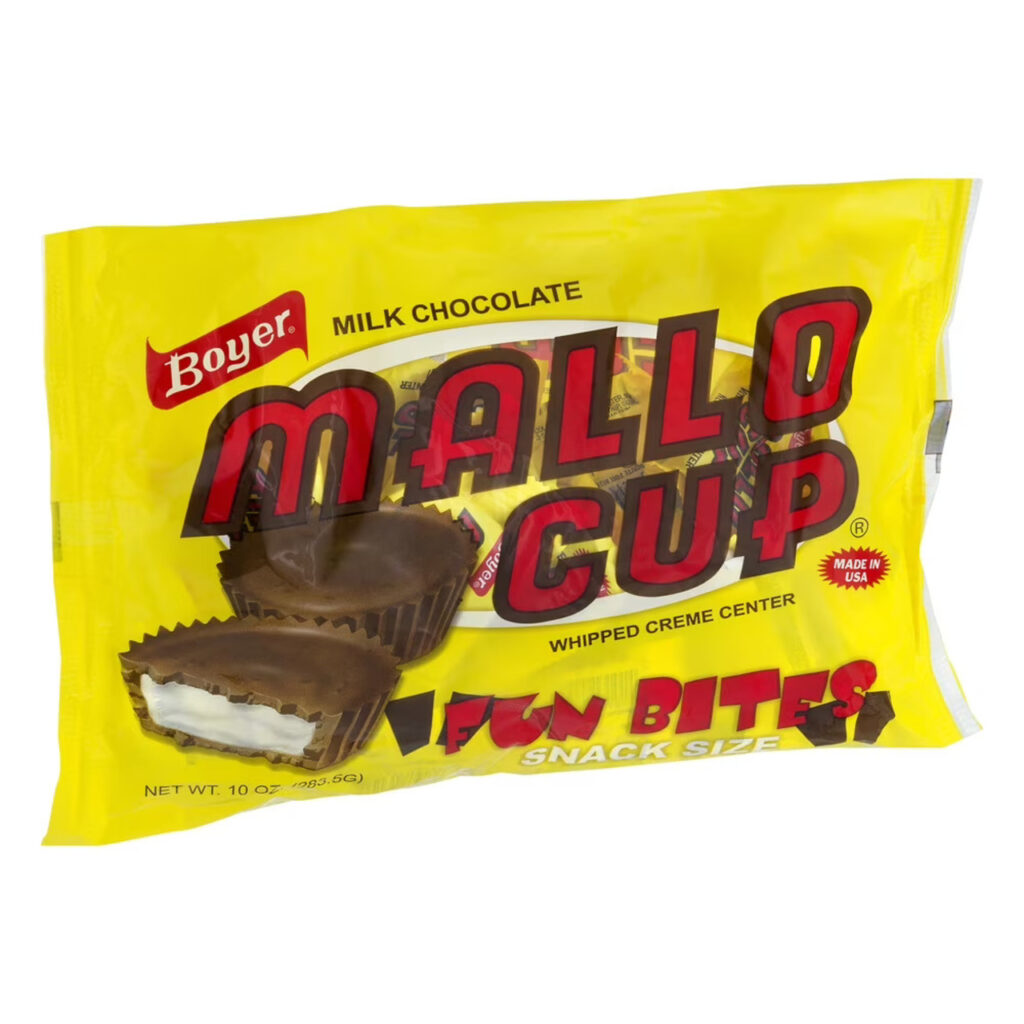
Mallo Cup found its foothold in small towns thanks to its combination of marshmallow filling and chocolate-covered cup format, which offered something different from mainstream confections. It carried a sense of tradition, supported by its loyalty card program that rewarded frequent buyers, something rare in the candy world. As larger brands refined chocolate manufacturing and marketing intensified, Mallo Cup struggled to compete on scale and distribution. While still produced in limited quantities, it is far less visible in national stores.
4. Astro Pops
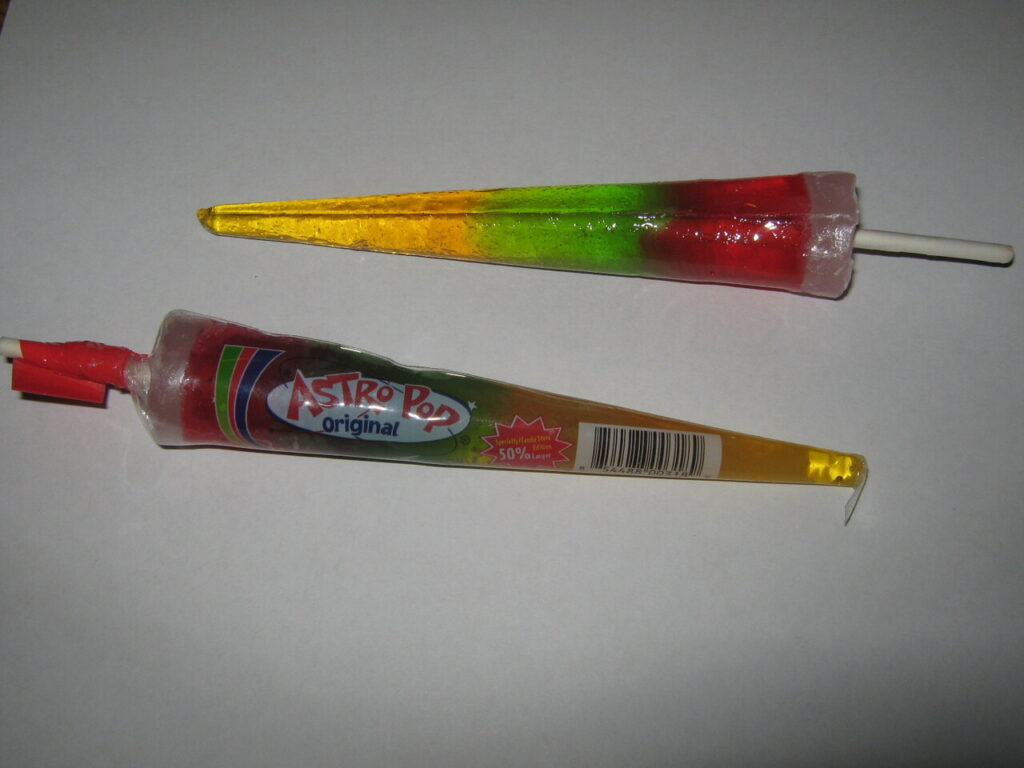
Astro Pops gained early popularity for their rocket shape and layered colors, making them a festive choice during holidays when novelty candies were especially appealing. Their unique production method involved pouring layers of flavored syrup into molds that hardened into distinct sections. Over time, shifts in taste trends and the emergence of more efficient candy-making processes placed pressure on items that required slower, more hands-on production. Astro Pops gradually faded as retailers prioritized faster-moving products. Today, they remain a nostalgic symbol of mid-century holiday candy culture, remembered fondly by those who grew up with their striking appearance and bold flavors.
5. Chick O Stick
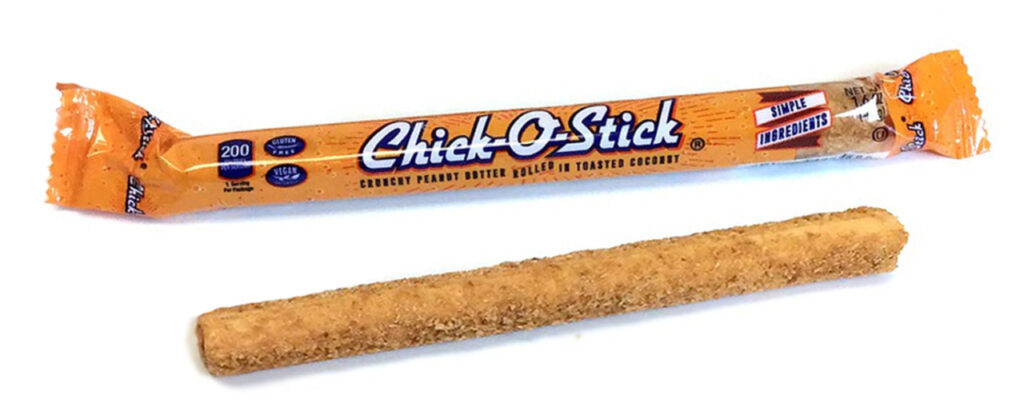
Chick O Stick bridged the gap between peanut brittle and flaky candy bars, offering a crunchy texture with hints of coconut that set it apart from most mainstream confections. It was a small town favorite because local stores often supported regionally produced sweets that didn’t depend on large distribution networks. As consumer preferences shifted and competition intensified, candies with niche flavor profiles became harder to justify on crowded shelves. Although still made in select facilities, Chick O Stick rarely finds its way into national holiday candy assortments. Its endurance in smaller communities illustrates how regional tastes can preserve treats that larger markets overlook.
6. Zotz
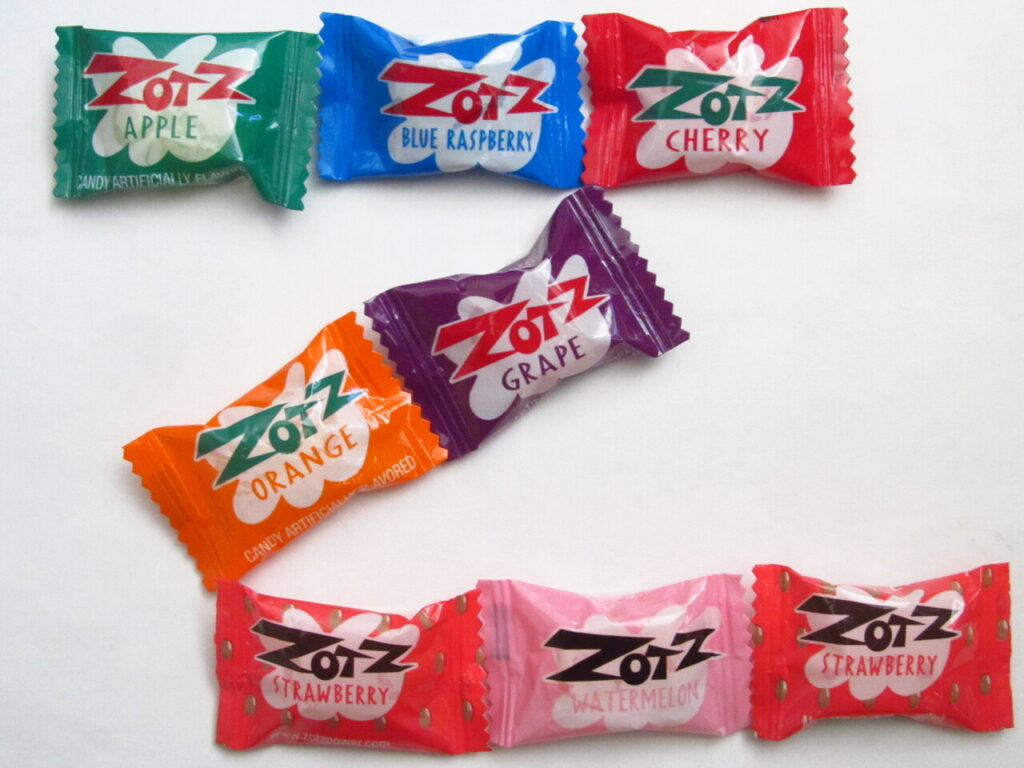
Zotz became popular among children for its fizzy, sour center that burst as the outer candy dissolved, offering a layered experience uncommon in traditional sweets. This novelty made it a memorable holiday treat, especially in small towns where candy selection often leaned toward items with personality rather than mass appeal. As tastes changed and production focused on more universally appealing options, Zotz shipments diminished, and many stores discontinued them. While they can still be found through specialty retailers, they no longer hold the prominent place they once did. Their decline reflects broader trends toward simpler, more predictable flavor profiles in mainstream holiday assortments.
7. Wax Lips
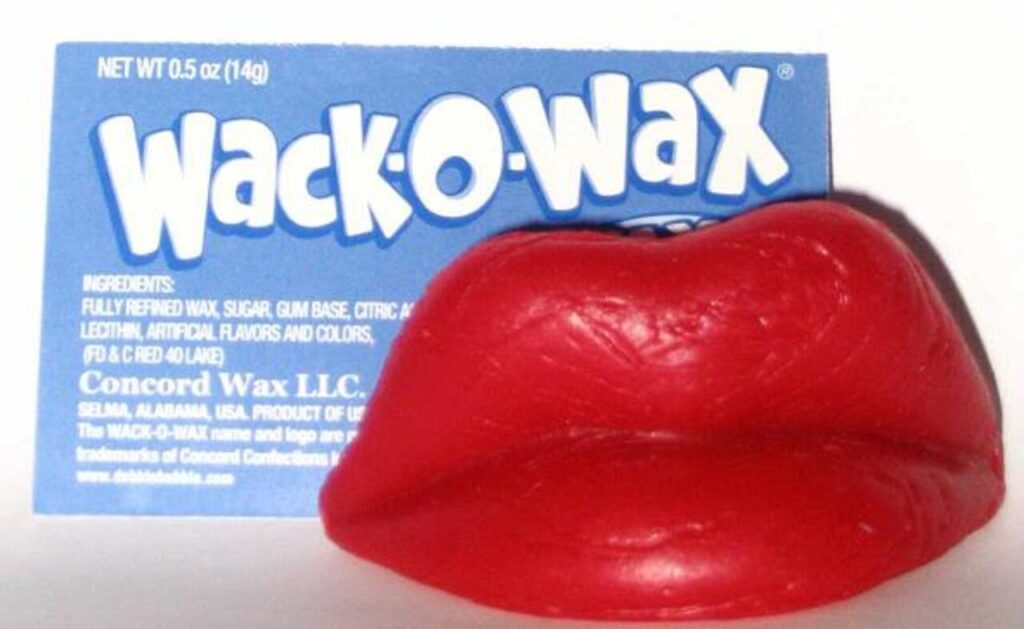
Wax Lips were less about flavor and more about the playful experience they created, making them a staple in small-town holiday gift bags and school festivities. These bright, oversized wax candies functioned as novelty toys before they were chewed, embodying a whimsical approach to seasonal treats. Over the years, concerns about choking hazards, changing safety guidelines, and evolving views on novelty candies contributed to their decline. Additionally, modern consumers gravitate toward items with better taste and nutritional appeal. Although still occasionally sold as nostalgic gag gifts, Wax Lips are no longer central to holiday candy traditions, marking the end of a uniquely theatrical era of seasonal sweets.
8. Candy Raisins
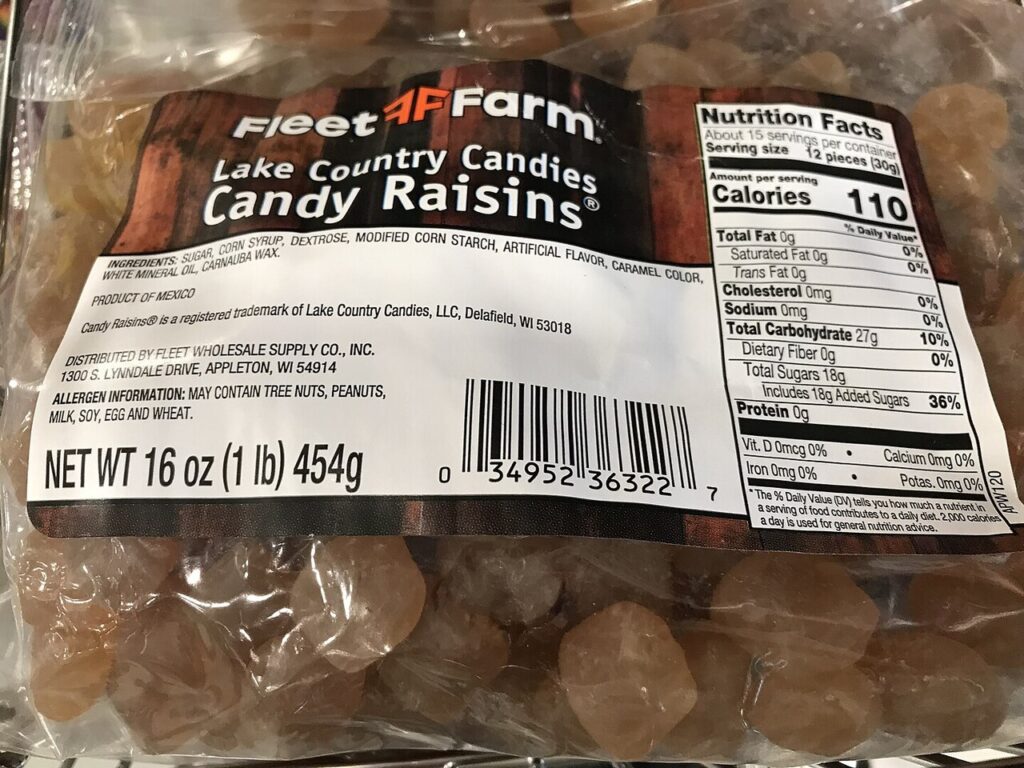
Candy Raisins occupied a very specific niche with their floral, slightly perfumed flavor that made them beloved in certain regions but unfamiliar to most other parts of the country. Their availability depended heavily on a single manufacturer, and when production halted, the candy all but disappeared. Attempts to revive them have been limited, partly due to their unusual taste profile that doesn’t align with modern flavor trends. Small-town America kept them alive far longer than national markets because of strong local loyalty and tradition. Today, they exist mostly in memory or limited revival batches that cater to nostalgic consumers.
9. Punky’s Candy
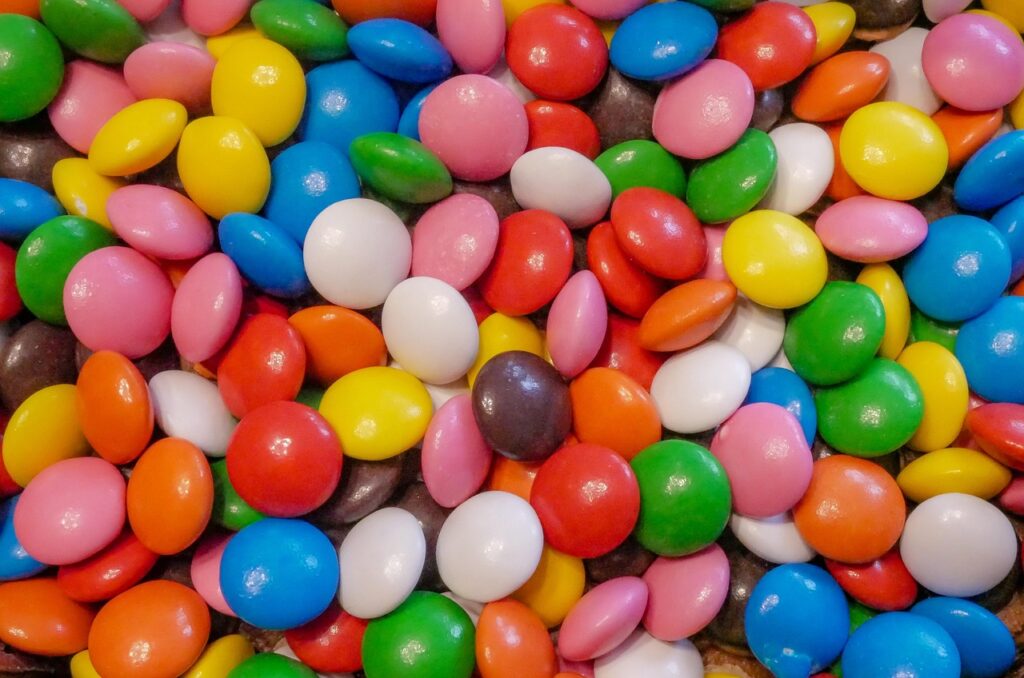
Punky’s candy briefly found popularity as a textured, slightly crunchy sweet that catered to children who enjoyed candies with a bit of bite. Though more modern than some other vintage treats, its short production run and limited marketing prevented it from reaching mainstream longevity. Smaller towns, where older inventory often lingered and local shops stocked unique items, became the last places where Punky’s could be found during the holidays. Their disappearance stems from limited brand support and evolving candy trends that moved toward smoother, more flavor-consistent products. As a result, Punky’s remains a fleeting yet fond memory of seasonal childhood treats.
10. Walnettos
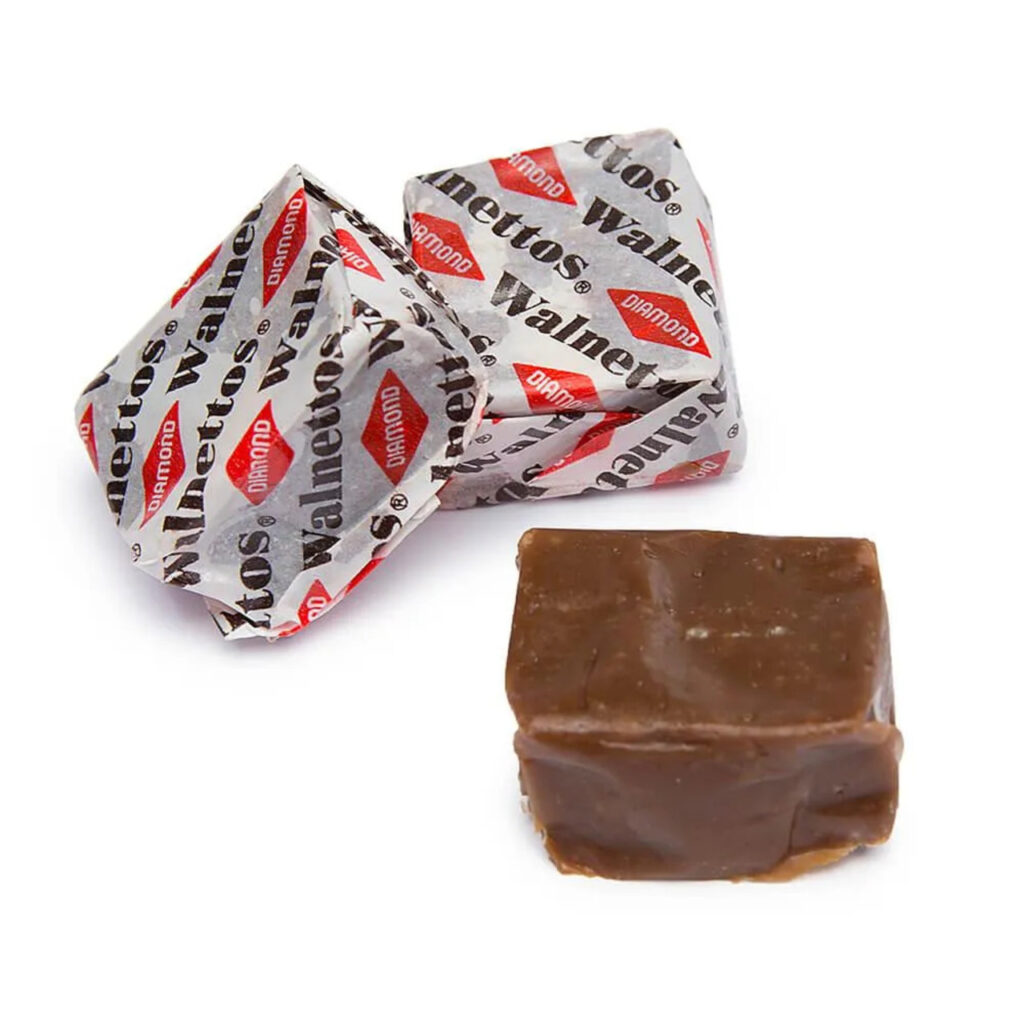
Walnettos were once a cherished holiday candy, distinguished by their caramel-like chew and distinct walnut flavor. Their uniqueness made them popular in smaller communities where traditional nut-based candies were more common. Over time, as candy production focused on broader, nut-free options and smoother flavor profiles, Walnettos lost ground. Their reliance on real nuts and a specialty caramel process limited mass production potential, making them less appealing to national distributors. While still produced in small quantities, they no longer hold the widespread holiday presence they once enjoyed. Their staying power in certain towns reflects an enduring appreciation for old-fashioned craftsmanship in seasonal sweets.